
Last updated November 25, 2026
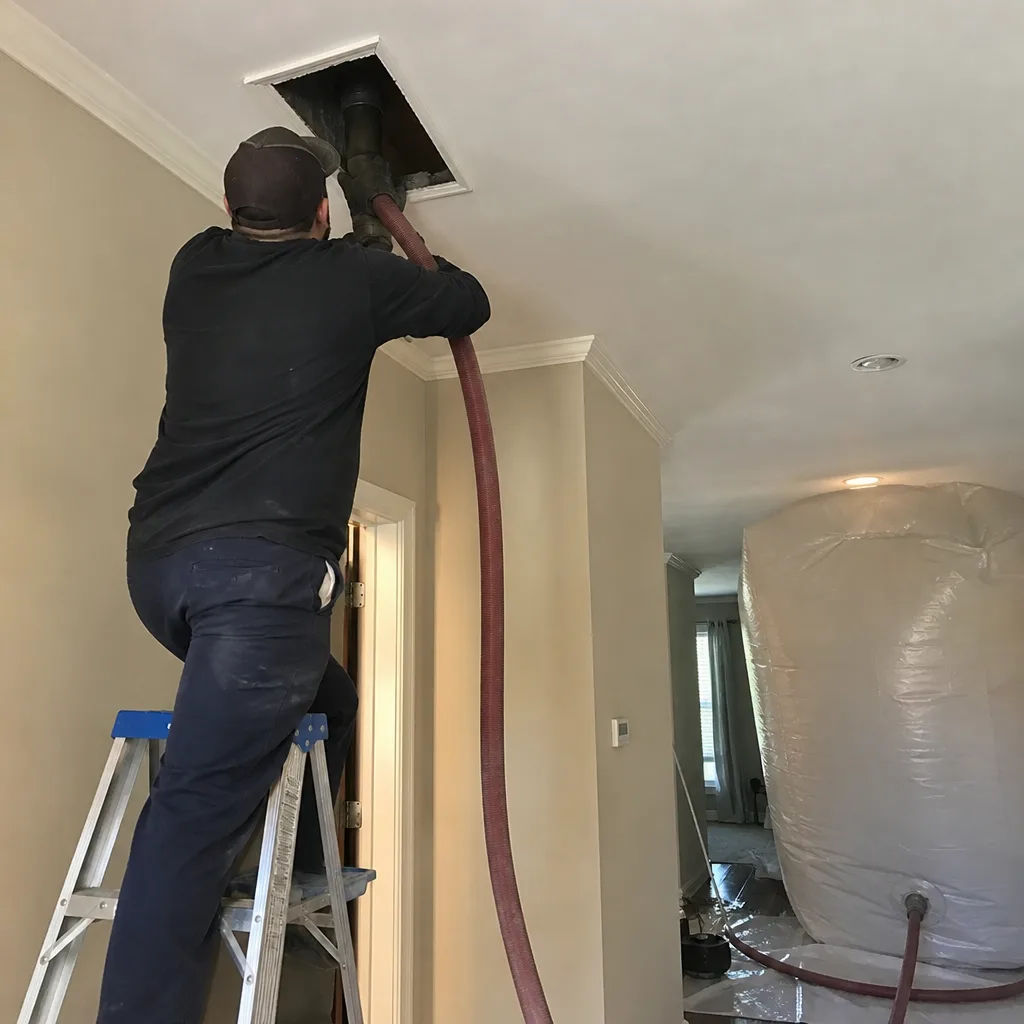
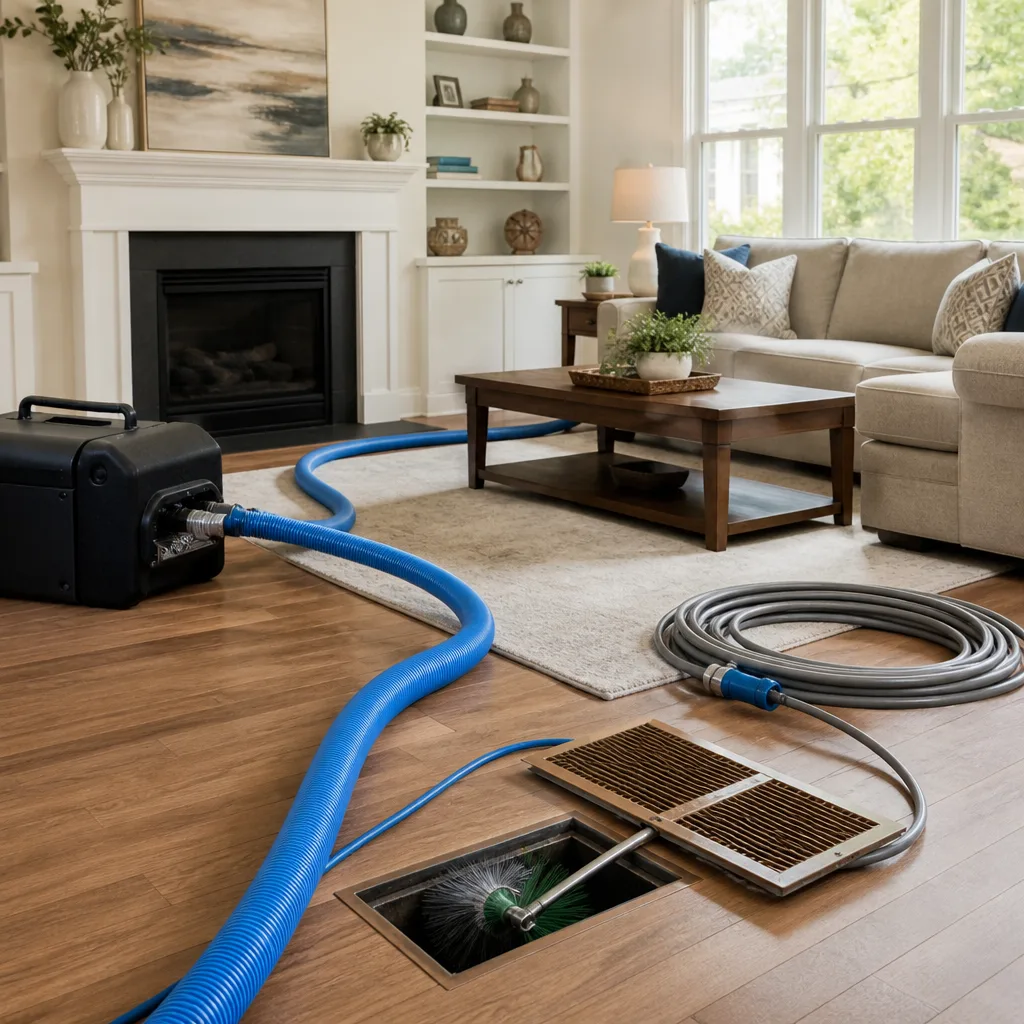 Whole-home duct cleaning
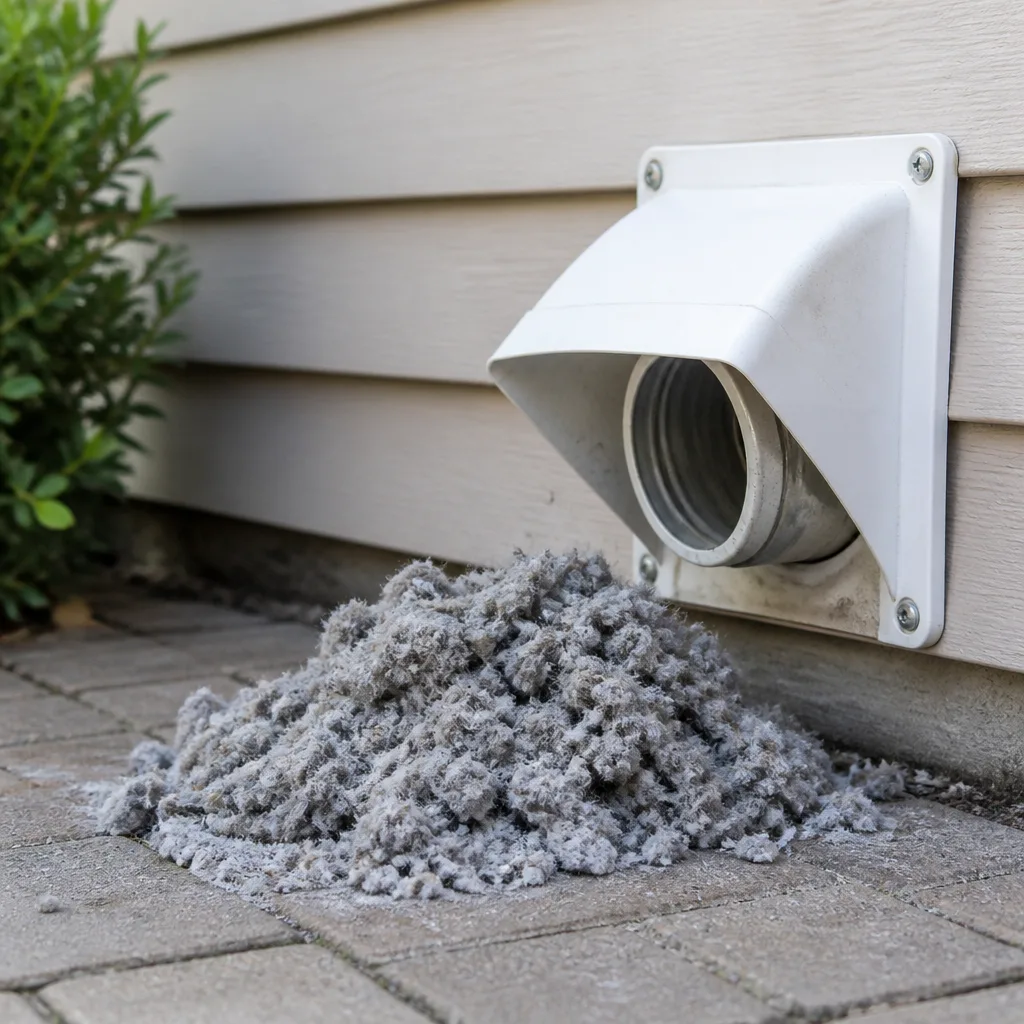 Dryer vent cleaning
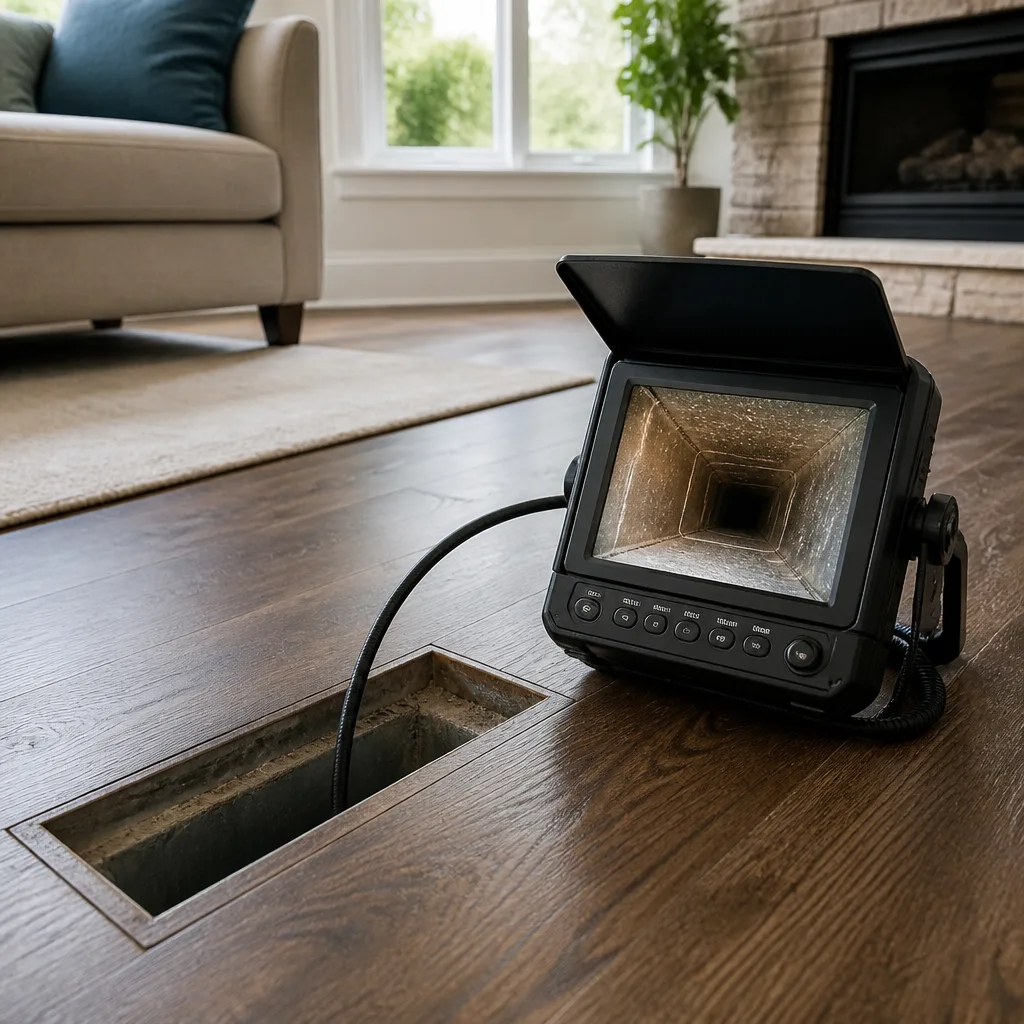 Camera inspection
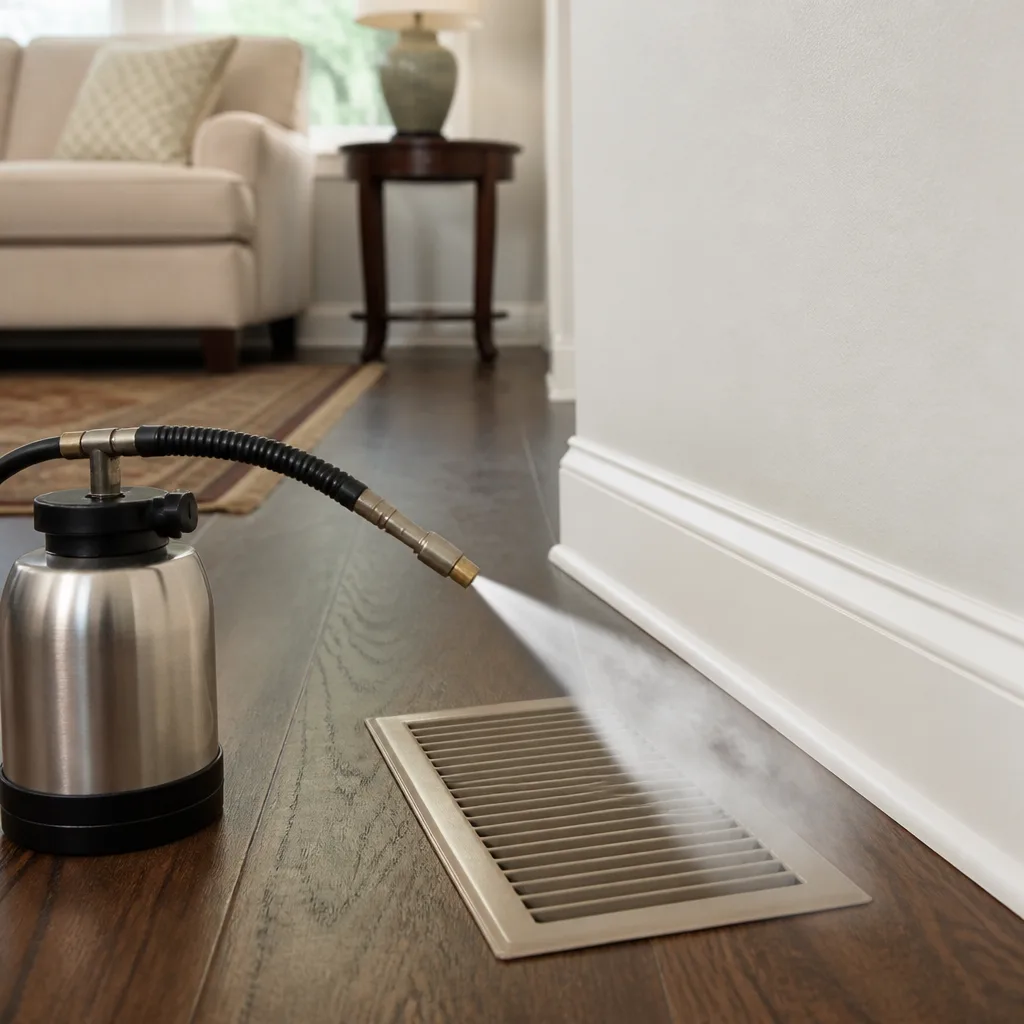 Sanitizing & deodorizing
Whole-system duct and dryer vent check with before-and-after photos - you see exactly what came out of your vents
That "$99 whole-house special" is a bait ad - the real number appears once they are in your hallway, or the "clean" is a shop-vac at the register. We photograph the inside of your ducts before and after instead.
Air Duct Cleaning Emergency Preparedness Guide for Buckhead Homes
Most Buckhead homeowners have a plan for a power outage and a drawer full of batteries for a storm. Almost none of them have a plan for what happens to the air system after water gets into a basement, smoke moves through a kitchen, or a renovation grinds to a halt. Here’s the part that catches people off guard: the ducts don’t stay damaged quietly in the room where the emergency happened. The blower turns on, and the whole house breathes whatever got in. This guide covers the three emergencies that demand duct attention, the decision deadlines that actually matter, and how to spot a contractor who can respond now instead of booking you for a later appointment with a straight face.
Quick Answer
After a water intrusion, fire, or major construction event in a Buckhead home, the duct system should be inspected and, in most cases, professionally cleaned and sanitized before the HVAC runs again, because the blower will otherwise spread smoke particulate, mold spores, or flood bacteria to every room. Water events involve a roughly 48-hour decision window before porous duct liner and insulation reach the point where cleaning isn’t enough and replacement is the honest recommendation. The correct response is protocol-driven cleaning with containment equipment, not a routine appointment squeezed into next week’s schedule.
Styles & brands we work with
- Whole-home duct cleaning
- Dryer vent cleaning
- Camera inspection
- Sanitizing & deodorizing
Table of Contents
- Why Your Ducts Matter in an Emergency
- The Three Emergency Scenarios That Require Duct Intervention
- The 48-Hour Decision Window After Water Intrusion
- The Most Expensive Mistake After a Smoke Event
- Working With Your Insurance Adjuster
- How to Find a Contractor With Real Emergency Capability
- Preparing Your Duct System Before an Emergency Happens
- Step by Step: What Recovery Should Look Like
Why Your Ducts Matter in an Emergency
Your duct system is the one part of the house that touches every room. A supply trunk in the attic drops conditioned air into a bedroom on the second floor; a return pulls it back from the hallway. That’s the design, and it works well until something contaminates the air moving through it. Then the same network that keeps a Buckhead house comfortable becomes a distribution channel.
Think about what actually travels through those passages. Airborne soot from a kitchen fire has a greasy, sticky quality that clings to interior duct walls. Flood water that reaches flexible duct runs leaves behind silt and, within a day or two in warm, humid conditions, biological growth. Drywall dust from a kitchen remodel is fine enough to coat a blower wheel and a cooling coil. None of this announces itself. The furnace runs, the air feels normal, and the contamination quietly settles into every room of the house.
This is why we treat emergency duct work as a separate discipline from a scheduled cleaning. Routine maintenance removes accumulated household dust. Emergency response removes a contaminant load and, just as importantly, contains it so it doesn’t spread through the house while the work is going on. That distinction shapes the equipment, the process, and the timeline.
Buckhead homes make this especially relevant. Many were built decades ago and have had additions, renovations, and HVAC replacements layered on over the years. Flexible duct in an attic, a finished basement with ductwork running through it, an older kitchen with a high-output range: each of these is a reasonable feature of a comfortable home and each one creates a path a contaminant can use after an emergency.
The Three Emergency Scenarios That Require Duct Intervention
Not every household disruption touches the air system. A burst pipe in a crawl space that never reaches a duct run is a plumbing problem. But three specific scenarios almost always do reach the ducts, and each calls for a different response.
Scenario 1: Water Intrusion
Flooding, a failed water heater, a sump failure, or a roof leak that saturates attic insulation near duct runs. Water is the most time-sensitive of the three because porous materials in the duct system – fiberglass liner, flexible duct, and insulation – hold moisture. In a warm, humid house with the system switched off, that moisture has nowhere to go. Within a day or two, conditions favor biological growth inside the passages.
- What to watch for: visible water staining near registers, sagging flexible duct, a musty smell when the system first starts, damp insulation in the attic.
- What should happen: system off, water source stopped, an inspection to determine which runs were affected, and a moisture assessment before anyone decides whether cleaning or replacement is the answer.
- What shouldn’t happen: running the system “to dry things out.” That moves moisture and whatever it’s carrying into the rest of the house.
Scenario 2: Fire and Smoke Events
Even a small kitchen fire that never left the room leaves smoke residue in the return path. Smoke particulate is fine, and it carries odor compounds that settle into duct surfaces. A house can pass the eye test and still smell smoky every time the heat comes on.
- What to watch for: the smell returning whenever the system cycles, visible soot near the return grille, ash in the filter box.
- What should happen: system off, inspection of return and supply runs, cleaning with equipment that captures particulate instead of blowing it around, and sanitizing where residue has penetrated.
Scenario 3: Post-Construction Contamination
A renovation is a controlled emergency. Drywall dust, sawdust, fiberglass particles, and paint overspray all find their way into open returns and registers during a project. In Buckhead, where plenty of homes go through additions and refreshes, this is the most common of the three and the one most often ignored.
- What to watch for: visible dust in the register boots, a blower wheel with a visible coating, a filter that loads up in days.
- What should happen: returns and registers sealed during construction where possible, then a full cleaning once work is finished and before the house is occupied for regular use.
The 48-Hour Decision Window After Water Intrusion
The first 48 hours after a water event determine the right response. Within that window, an affected duct run can usually be cleaned and dried. After it, the question shifts toward whether the affected duct and insulation should be replaced. This isn’t a hard rule from a code book; it’s how porous materials behave in a warm, humid house in the Southeast, where damp duct liner doesn’t dry out on its own once the HVAC is off.
Here’s how the decision usually breaks down:
- Stop the source and shut off the system. Nothing gets better while the blower keeps running.
- Assess moisture. The technician should measure moisture at the affected runs, not just look at them. Visible staining tells you water was there; a moisture reading tells you whether it’s still there.
- Identify the run types. Solid metal duct with a smooth interior can often be cleaned and dried. Flexible duct and fiberglass-lined duct that have been saturated are a different conversation.
- Clean and dry where cleaning is viable. Cleaning without drying isn’t a solution; it’s a reset. Drying matters as much as the cleaning itself.
- Recommend replacement honestly where it’s warranted. A saturated, lined duct run that can’t be properly dried and cleaned is a replacement, not a cleaning. That’s the conversation most homeowners would rather have than a repeat problem a month later.
- Sanitize where appropriate. After a water event, sanitizing goes beyond debris removal to address microbial growth that has already taken hold.
- Verify before the system is turned back on. A moisture check and a visual review of the runs before the blower resumes.
If you’re in that window right now, don’t wait to see how it smells. Call (844) 443-4682. We answer 24/7. Fast dispatch from 7am to 7pm, Sunday through Friday.
The Most Expensive Mistake After a Smoke Event
Running the HVAC after a smoke event, before the ducts have been cleaned, is the single most costly mistake we see after a fire. It costs nothing to make and can cost a great deal to undo. The blower pulls smoke residue from the return and pushes it through every supply run in the house. A problem that started in one room becomes a whole-house condition, and the eventual cleanup covers every register, every room, and often the soft furnishings as well.
The instinct is understandable. Smoke smell fills the house, so you turn on the system to clear the air. It does the opposite. What leaves the register is a steady stream of fine particulate that settles into furniture, carpet, and bedding.
What to do instead:
- Turn off the HVAC at the thermostat and, if you know it, at the breaker.
- Open windows if outside conditions allow.
- Keep the family out of rooms where the smell is strongest.
- Call for an assessment before anything runs again.
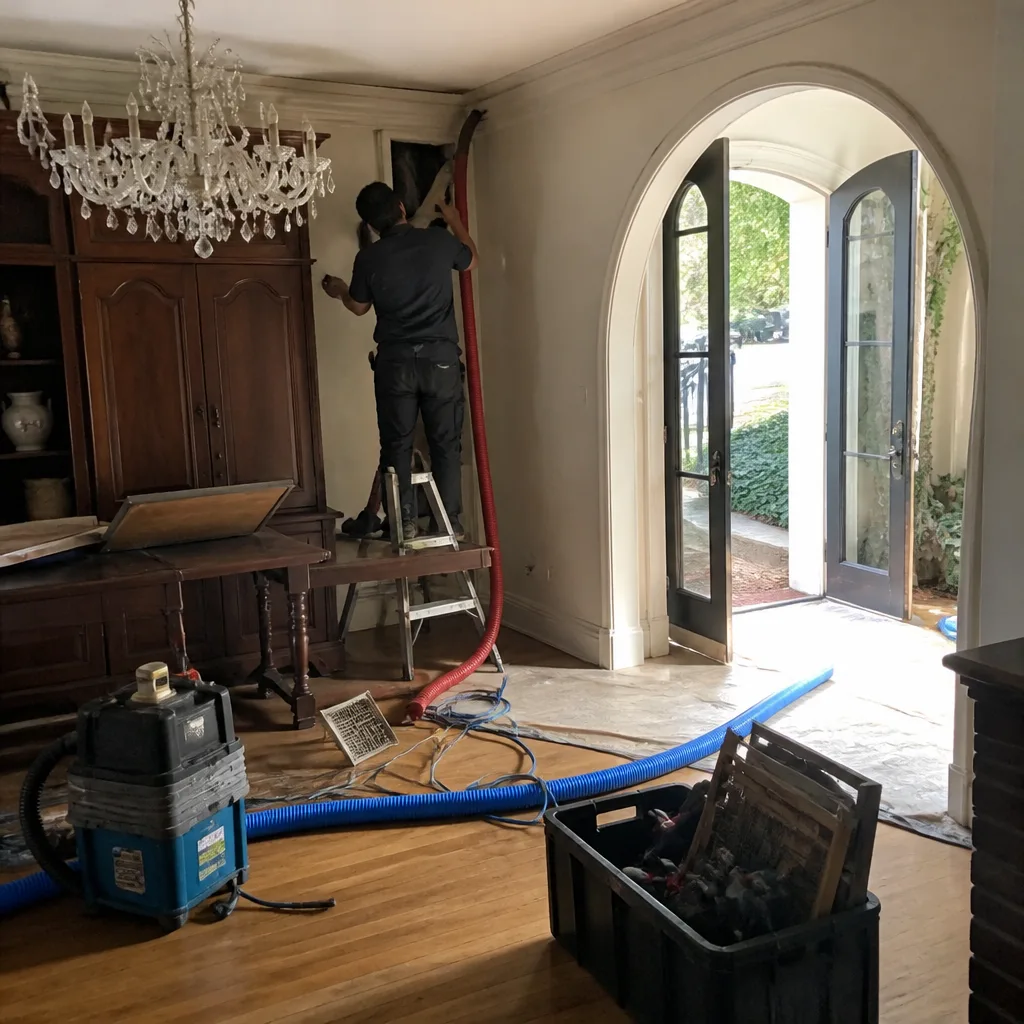
Once a professional is on site, the right sequence is inspection, containment, cleaning, sanitizing, and then – only then – a test run with the filter in place. We use Abatement Technologies equipment on these jobs precisely because containment is the point. A shop vacuum moved room to room is not containment. If your home has gone through a smoke event, this is not the moment for a routine cleaning appointment booked for two weeks out. air duct cleaning after a fire is a different job with a different protocol.
Working With Your Insurance Adjuster
Most homeowner policies treat emergency duct work following a covered event as part of the property damage claim, and most adjusters want two things: documentation that ties the duct damage to the covered event, and a clear record of what was done. Homeowners who show up with photos, moisture readings, and a written scope get faster decisions than homeowners who show up with a verbal description.
What a professional should provide for an emergency duct claim:
- Photo documentation of the affected duct runs and components before, during, and after cleaning – including before-and-after photos of the ducts themselves, not just the equipment.
- Moisture readings at affected runs and insulation, dated.
- A written scope separating cleaning from any repair, sealing, or replacement, with each line itemized.
- An equipment list naming the platform used, so the adjuster can see the work was done to a professional standard rather than with a portable vacuum.
- A sanitizing record where sanitizing was performed, since treatment is often a separate line in a claim.
We can work with your insurer on documentation and scope. What we won’t do is guess at what the policy covers, so bring your adjuster into the conversation early and ask what they’d like to see.
How to Find a Contractor With Real Emergency Capability
Plenty of companies advertise emergency response. Far fewer have the equipment and process to actually respond to a contaminated air system. The difference shows up fast when you ask the right questions.
Ask these five before you book:
- What containment equipment do you bring? True emergency response uses negative air and HEPA filtration to trap contaminants, not a portable vacuum that recirculates fine particulate into the room you’re standing in.
- Can you handle duct repair and sealing in the same visit? A duct run damaged by water or a construction event usually needs more than cleaning. If the company refers repair out to another contractor, you’ll be coordinating two visits, two schedules, and two scopes.
- What equipment brand do you run? Rotobrush and Nikro are platforms specified by commercial HVAC and remediation contractors for a reason: they’re built for this work. If the answer is a shop vacuum or a brand you can buy at a hardware store, that tells you what kind of response you’re getting.
- How fast can you actually be here? Ask directly. A company that schedules “emergency” calls out two weeks isn’t offering what you need.
- What will the report include? Photos, moisture readings, a scope, and a clear recommendation. Ask to see a sample.
A good contractor will answer all five without hesitation. A good contractor will also tell you when a routine cleaning is fine and the emergency framing isn’t warranted – and that’s a sign you’re talking to someone who knows the difference. Our technicians have up to 8 years of experience with exactly these situations, and we handle all five service categories – Air Duct Cleaning Buckhead, dryer vent cleaning, HVAC cleaning, air quality and sanitizing, and duct repair and sealing – so an air-system emergency doesn’t turn into a scheduling problem.
Preparing Your Duct System Before an Emergency Happens
The most useful emergency preparedness is the work you do in advance. None of it is complicated, and all of it makes the recovery easier if something happens.
- Know where your air handler and filter access are. In an emergency you want to shut the system down fast, and hunting for the access panel in a dark basement wastes time.
- Change filters on a schedule and keep a spare. A new filter in the box is a small thing that matters after a construction project or a smoke event.
- Get a baseline cleaning done. Starting from a clean system makes it much easier to identify new contamination after an event. It also gives you a reference point for before-and-after photos.
- Seal returns during renovation. If you’re remodeling, ask your contractor to cover return registers and seal off the duct system during demo and drywall work. This one step saves most of the cost of post-construction cleaning.
- Have your ducts sealed before an emergency. Leaky ducts pull dust, attic air, and contaminants in from wherever they run. Clean ducts stay clean when leaks are sealed, and a sealed system is a much better barrier in an emergency.
- Get the dryer vent checked as a standalone safety item. Dryer vents are a leading cause of residential fires, and a clean, unobstructed vent is a fire-prevention measure that has nothing to do with the HVAC system.
Step by Step: What Recovery Should Look Like
Here’s the sequence a properly executed post-emergency duct recovery follows. You can use it to sanity-check whatever a contractor proposes.
- Site assessment. Identify the type and extent of contamination, which runs are affected, and whether moisture is present.
- System shutdown and containment. Set negative air and HEPA filtration so contamination comes out of the system and doesn’t get redistributed into living space.
- Deep cleaning. Every component – supply and return runs, registers, grilles, the blower, and the coil housing – cleaned with commercial-grade equipment, not a single-pass vacuum.
- Repair and sealing. Any duct damage from water, heat, or a construction impact repaired and sealed in the same visit, so the cleaning isn’t undone by leaks the system will find.
- Sanitizing. After a water or smoke event, microbial treatment and odor neutralization go beyond debris removal. Sanitizing, not just cleaning, is the standard.
- Verification. Before-and-after photos, moisture readings, and a final visual review of every run, before the system is turned back on.
- Documentation package. Photos, scope, and readings handed to you and available to your adjuster.
- System restart and filter check. New filter, thermostat back on, verification that airflow is correct at every register.
Common Mistakes to Avoid
- Running the HVAC to “clear the air.” After a smoke or water event, the blower spreads contamination through every supply run. Shut the system off and call for an assessment first.
- Waiting past the 48-hour window on a water event. In a warm, humid Buckhead summer, a damp duct run doesn’t dry out on its own. By day three, what was a cleaning job can become a replacement job.
- Letting dust from a renovation ride through the system. Drywall dust coats blower wheels and coils, and it settles into every register opening in the house. Seal returns during the work and clean after.
- Hiring a crew with a shop vacuum and an “emergency” ad. Real emergency response means containment equipment, not a portable vacuum. Ask what they bring before you book.
- Accepting cleaning without repair. A duct run that was damaged by the event will leak, and leaks undo the cleaning within weeks. Repair and sealing belong in the same visit.
- Skipping the documentation step. An insurance claim without records slows down. Ask for the photo package, moisture readings, and written scope, and keep them with your claim file.
- Ignoring the smell. A musty or smoky smell that returns every time the system cycles is a sign that contamination is still in the system, not in the air freshener budget.
See the difference
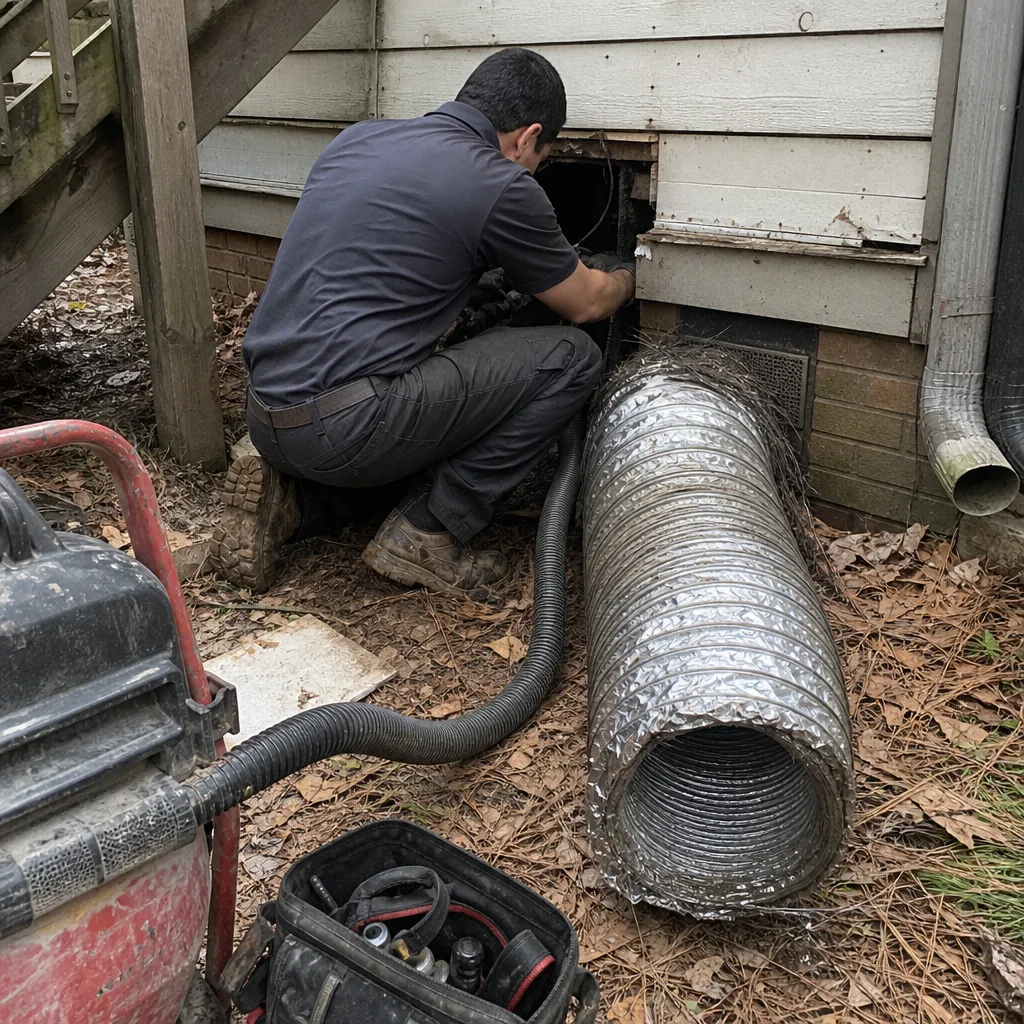 Before
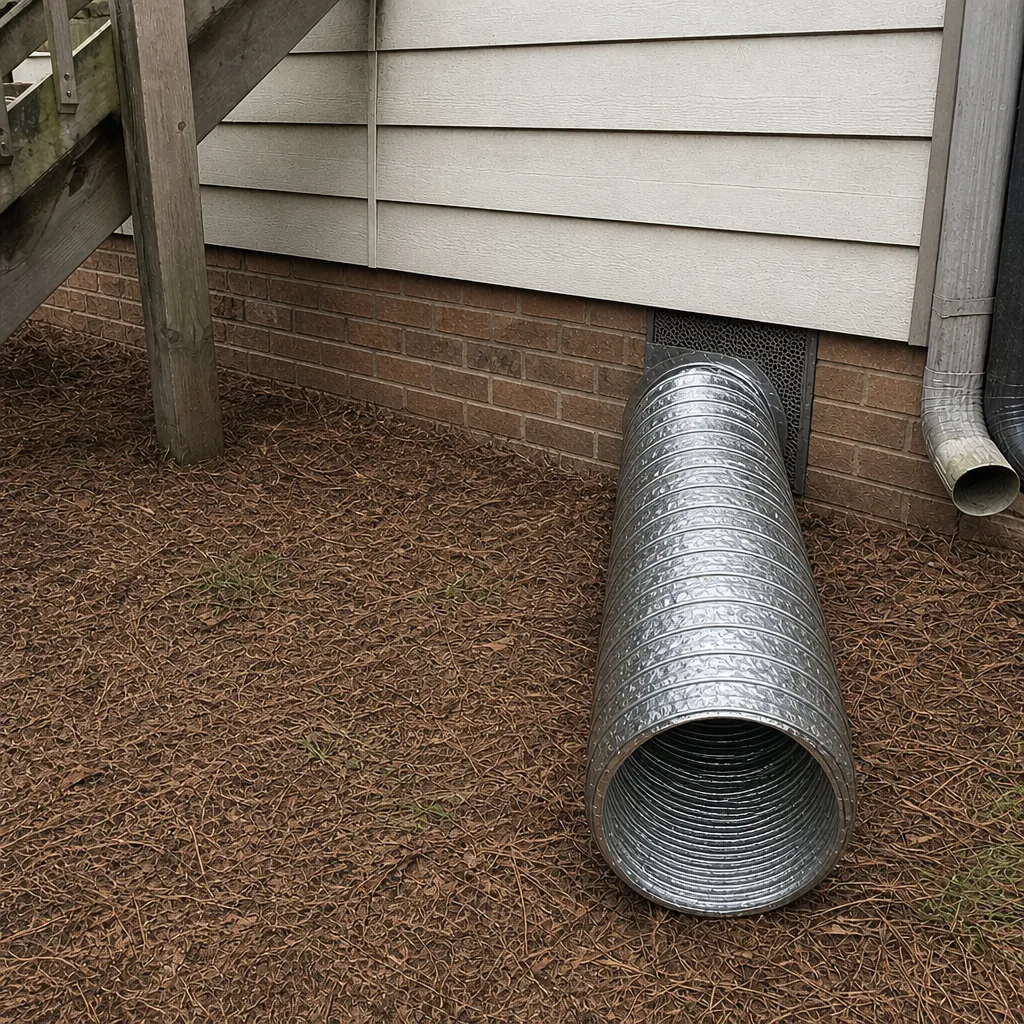 After
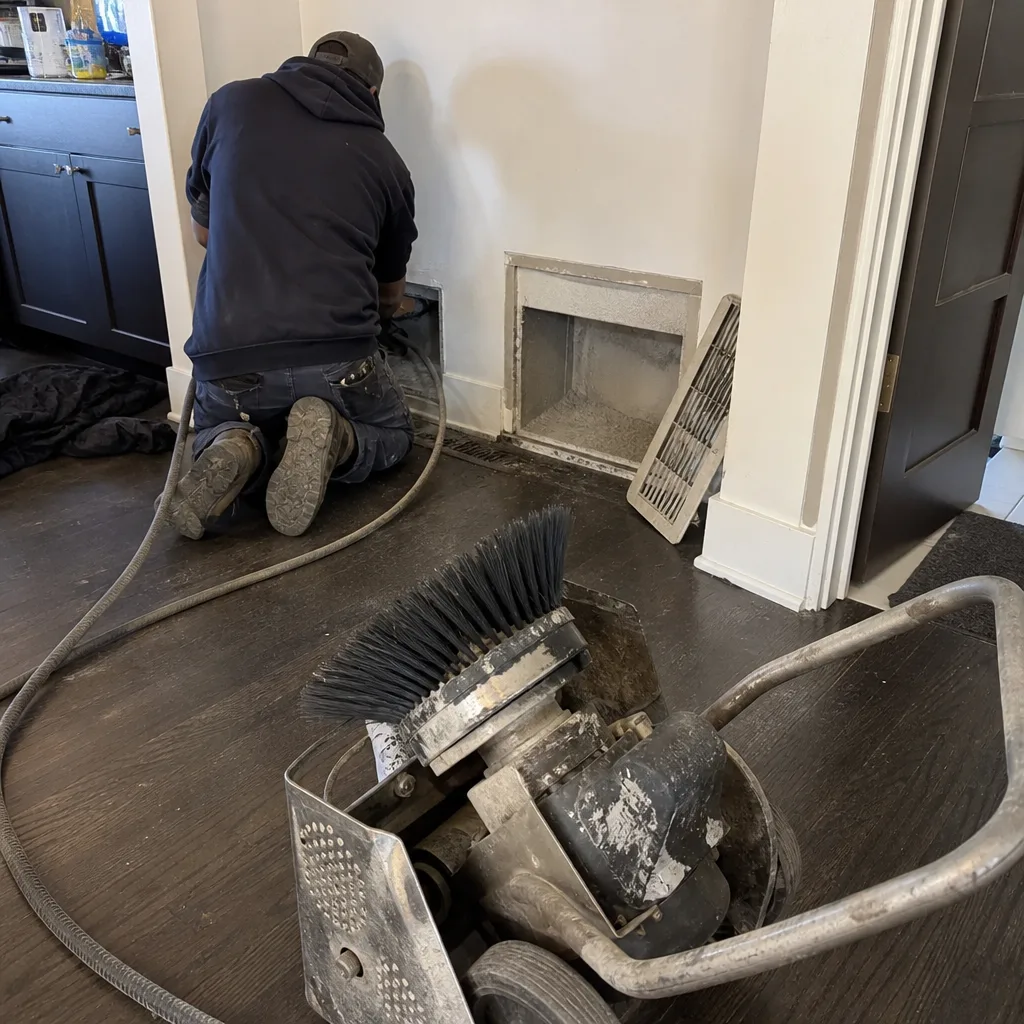 Before
 After
 Before
 After
When to Call a Professional
Call a professional when water has reached or come near a duct run, when a fire or smoke event has happened anywhere in the house, when renovation dust has moved through the returns, or when the system hasn’t been assessed since any of those events. Call if you smell something musty every time the heat comes on, if you’re seeing water staining near duct boots, or if the system was running during a smoke event and hasn’t been cleaned since. A free estimate tells you what the system actually needs without an obligation to book. Air Duct Cleaning Buckhead offers free estimates in Buckhead – call (844) 443-4682. We answer 24/7. Fast dispatch from 7am to 7pm, Sunday through Friday.
Frequently Asked Questions
About 48 hours is the practical window before porous materials in the duct system reach the point where cleaning is no longer enough. In the warm, humid months, that window can feel even shorter. Moisture trapped in duct liner doesn’t dry without help, and once growth is established, the conversation shifts from cleaning to replacement. Call (844) 443-4682 for an assessment – estimates are free.
No, that makes things worse. Running the system pushes moisture and any contaminants in the ducts into every room in the house. Shut the system off at the thermostat and get an assessment before turning it back on. Call (844) 443-4682 and we’ll walk you through the first steps.
Often, but the coverage depends on the policy and the event. Duct cleaning tied to a covered loss – a fire, a burst pipe, a storm – is typically part of the property damage claim. What makes a claim easier to process is documentation: photos, moisture readings, a written scope, and the equipment used. We can provide all of those and work with your insurer. Call (844) 443-4682 to get the estimate and documentation started.
Ask for before-and-after photos of your own ducts, not stock images or a brochure. A professional can also show you the moisture readings and a written scope before and after the work. If the contractor can’t show you photos of your system, that’s a reason to look elsewhere. Call (844) 443-4682 to see exactly what our reports include.
Because the equipment and the scope are different. A shop vacuum and a quick pass through the registers costs very little to offer and doesn’t remove contamination from the system. Commercial-grade equipment, containment, sanitizing, and repair in the same visit cost more to perform, and the estimate reflects the actual job. We give one flat price per system agreed before work starts, so there are no surprise line items once the technician is on site. Call (844) 443-4682 for an exact quote.
Yes – post-construction contamination is the most common duct emergency we see in Buckhead, because drywall dust and sawdust travel through the returns and settle into the whole system. Cleaning after construction is finished, not during, is the right timing. Sealing returns during the project reduces the load in the first place. Call (844) 443-4682 for a free estimate if you’ve recently finished a renovation.
The Bottom Line
A Buckhead home’s duct system is the quiet infrastructure that keeps the house comfortable, and after an emergency it becomes the fastest path for contamination to reach every room. Shut the system off first, get an assessment inside the window, and insist on real containment equipment, repair in the same visit, sanitizing where the event calls for it, and a documentation package you can hand to your adjuster. The right contractor answers the equipment questions without hesitating. If something has happened in your home and the system hasn’t been assessed, the free estimate is the next step. Call (844) 443-4682. We answer 24/7. Fast dispatch from 7am to 7pm, Sunday through Friday.
Written by the team at Air Duct Cleaning Buckhead.