
Last updated November 25, 2026
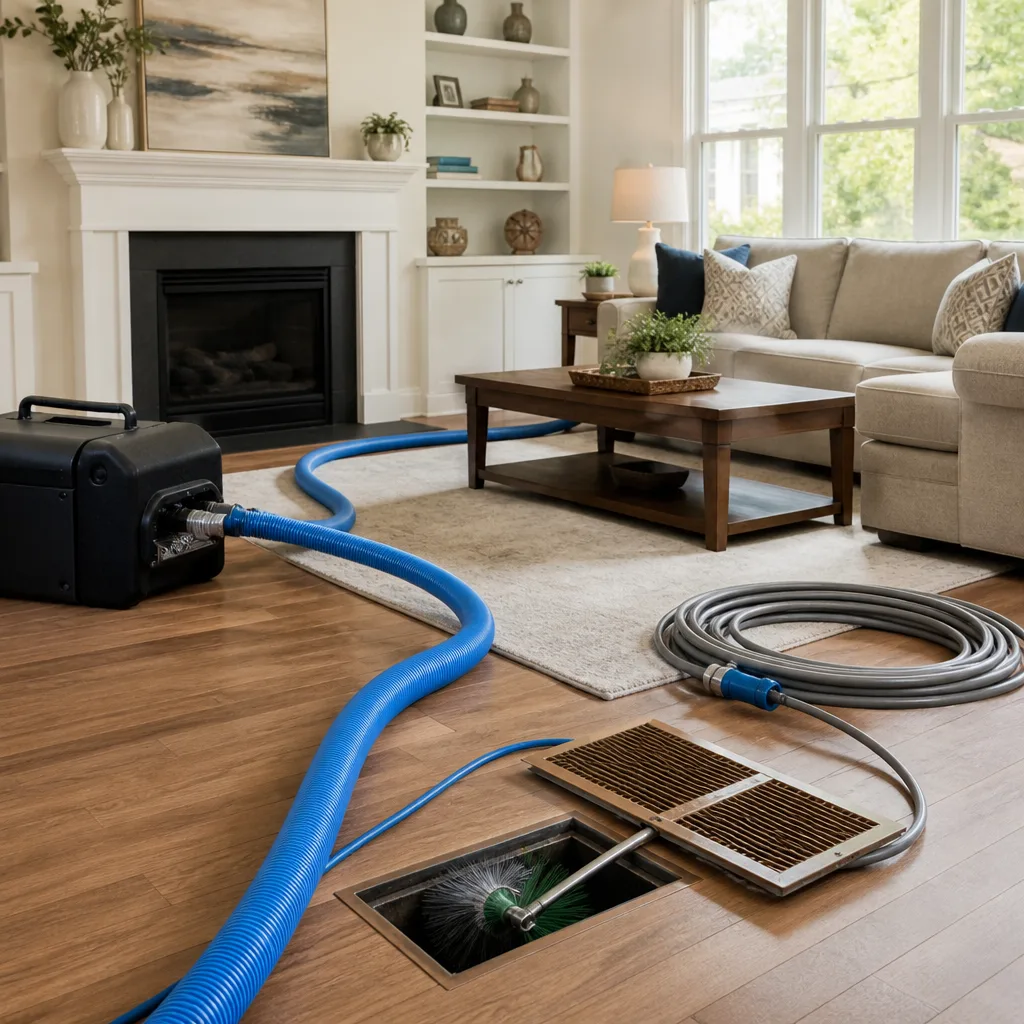 Whole-home duct cleaning
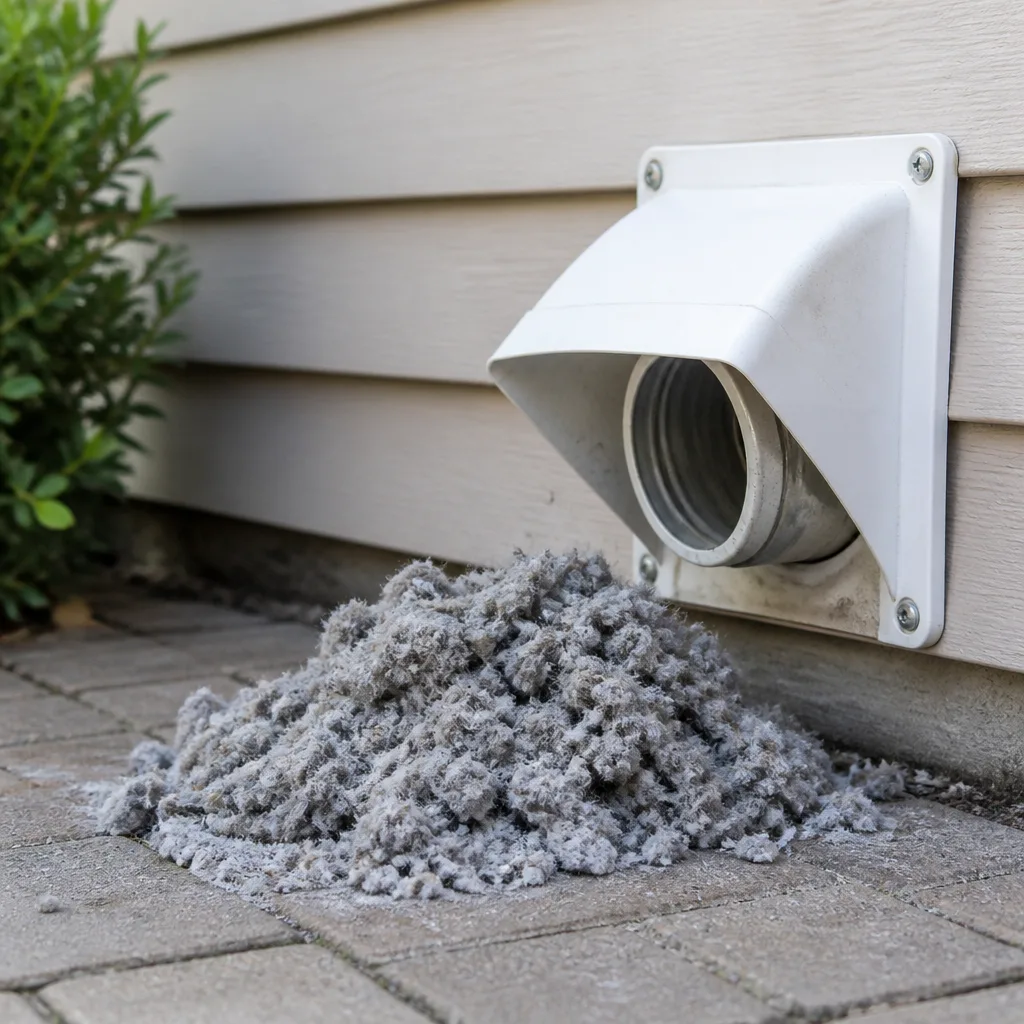 Dryer vent cleaning
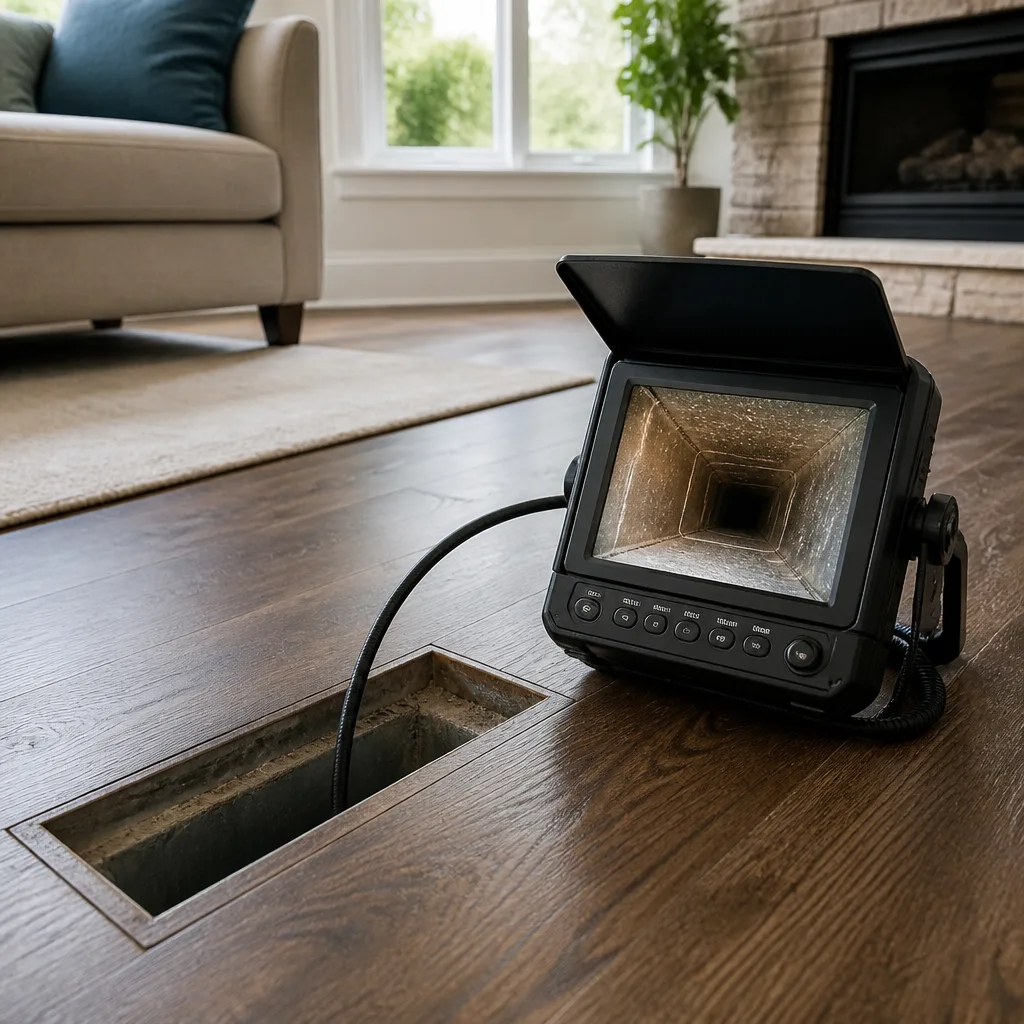 Camera inspection
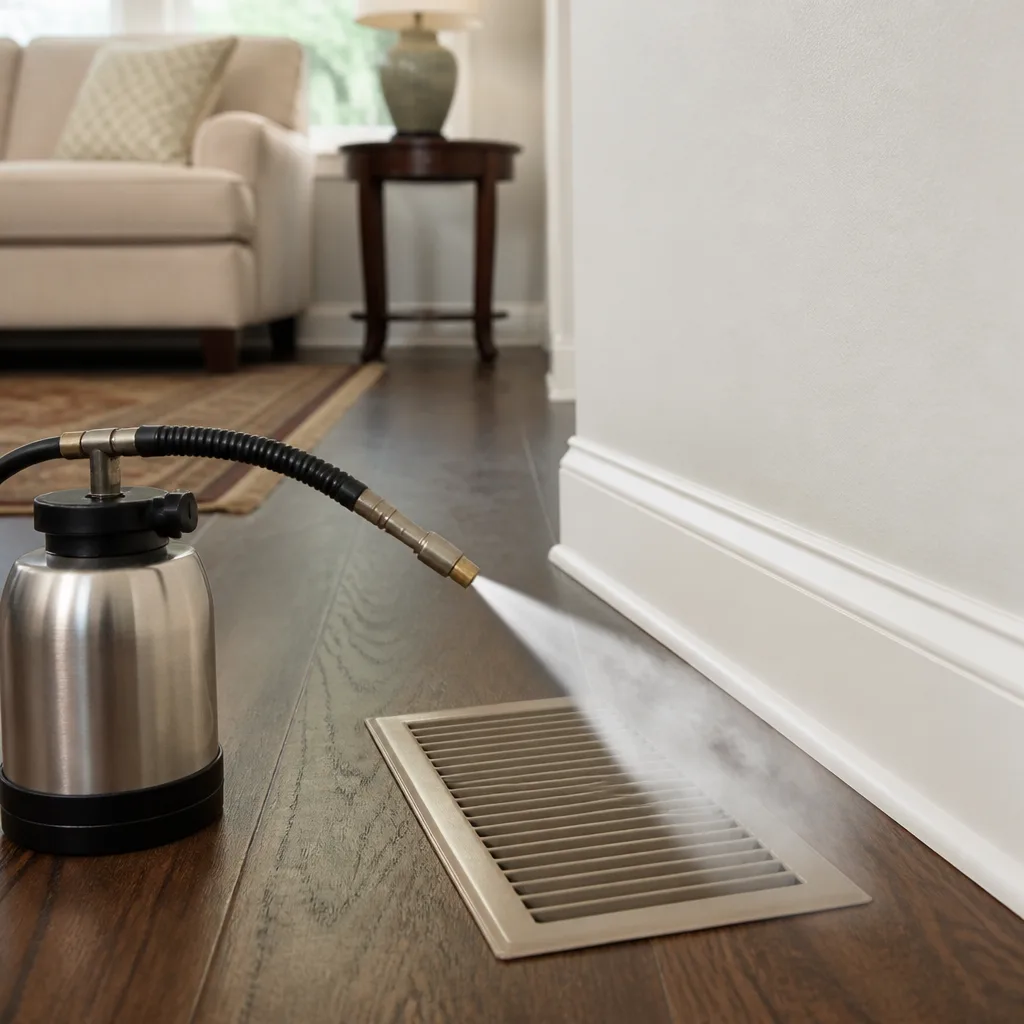 Sanitizing & deodorizing
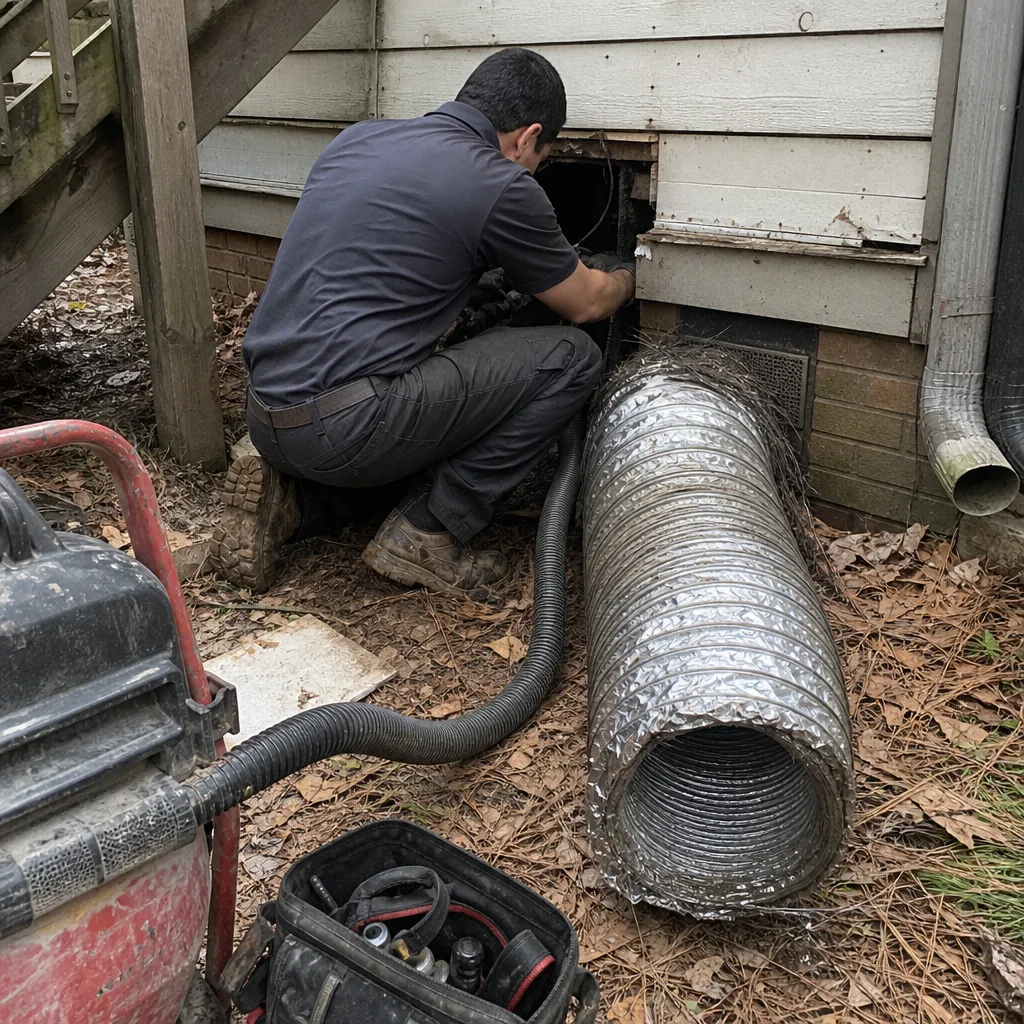
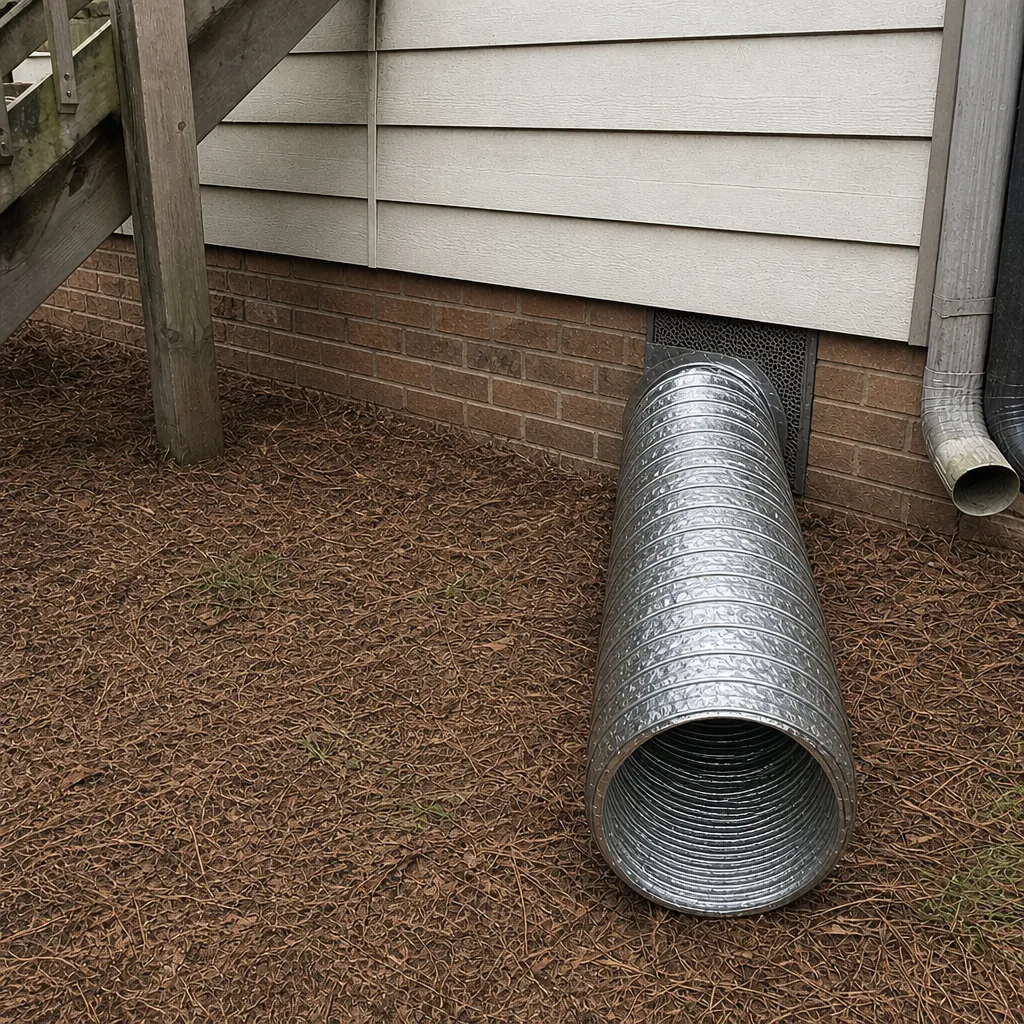
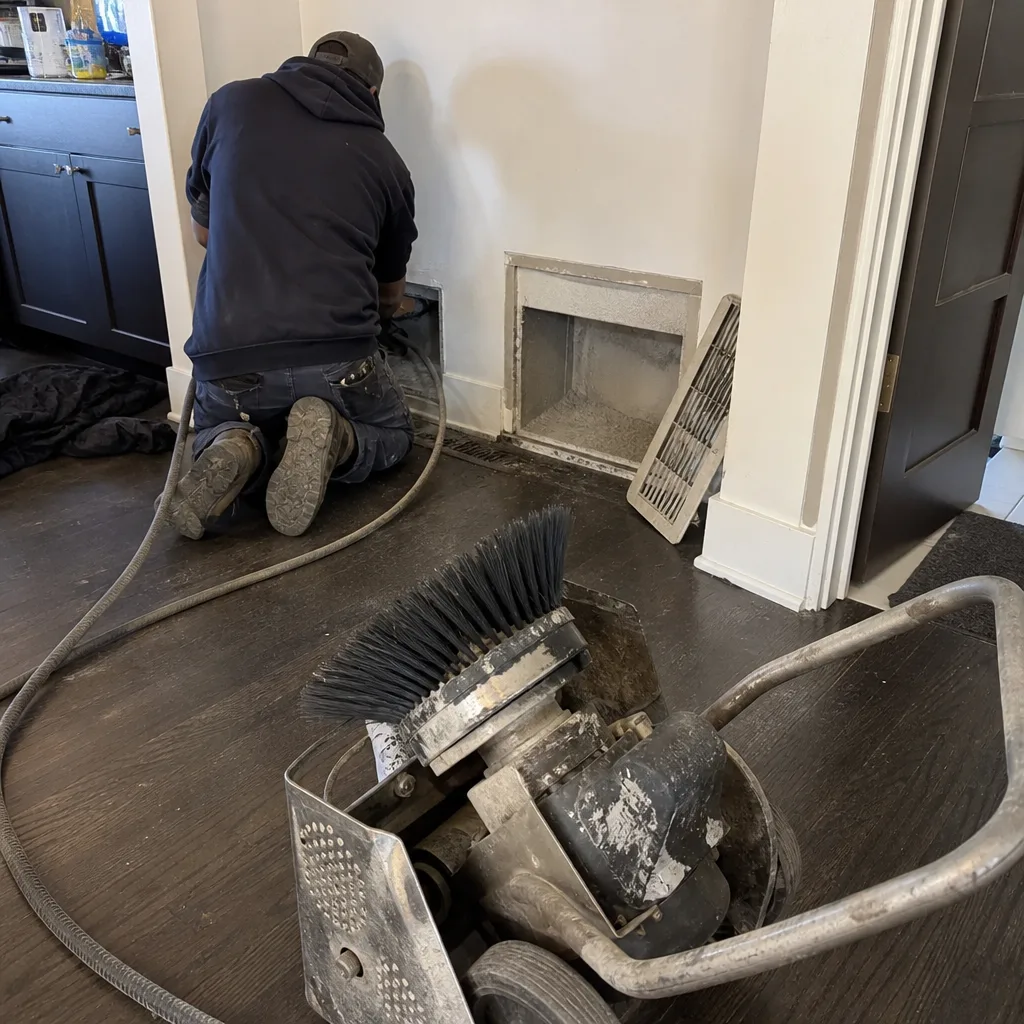
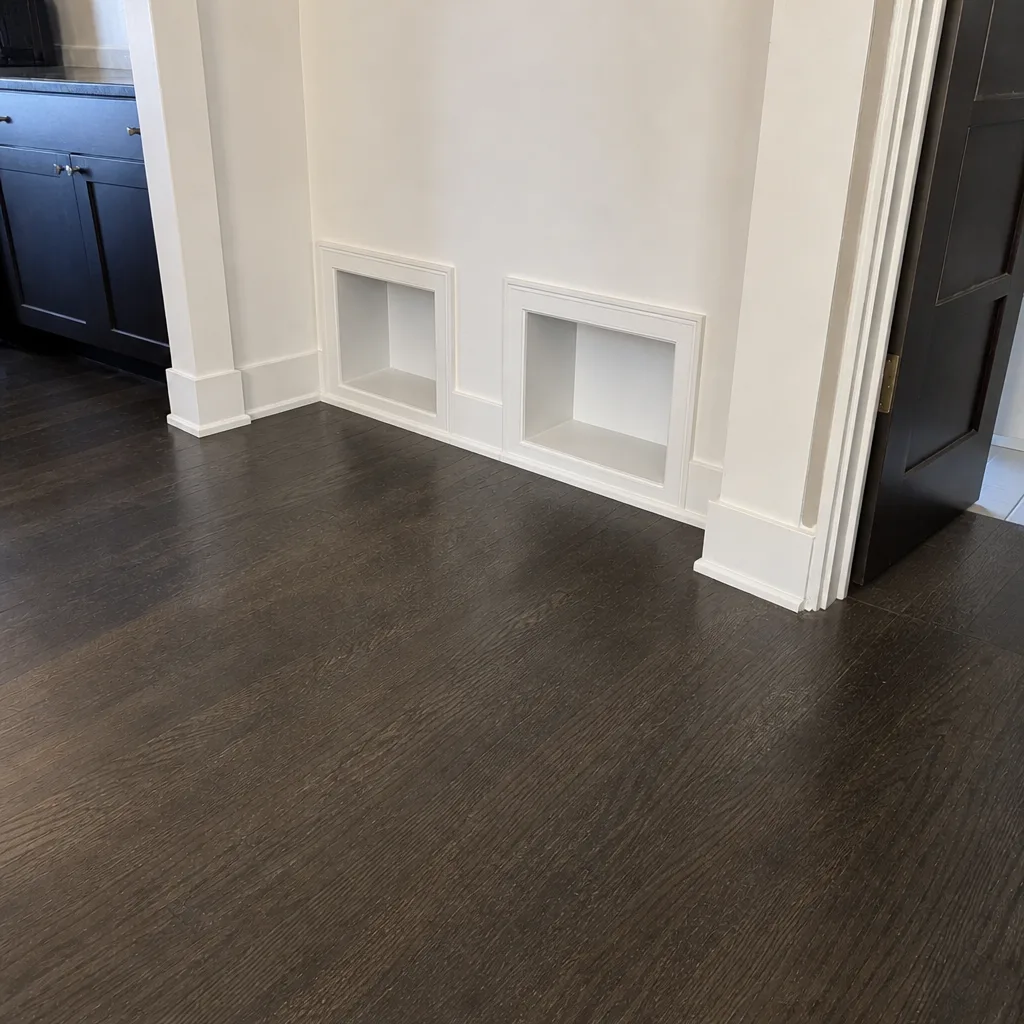
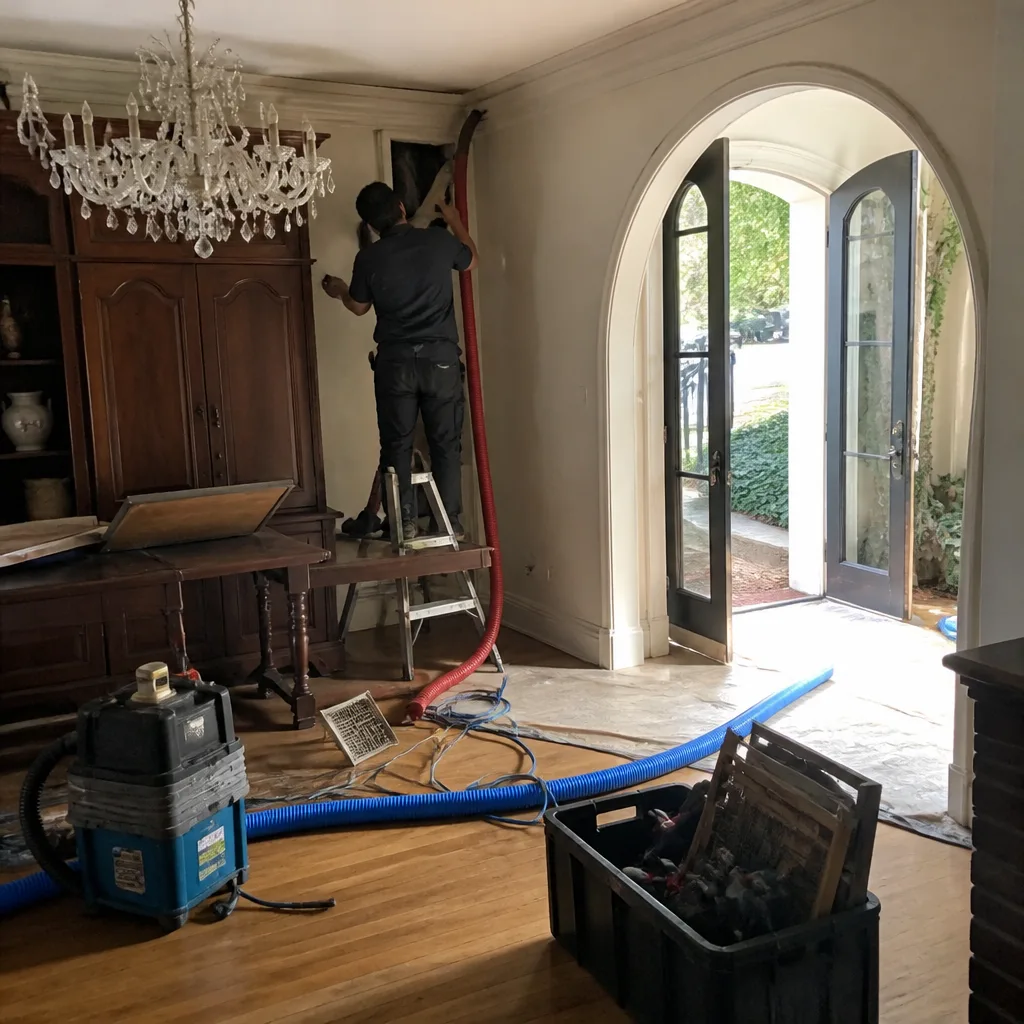
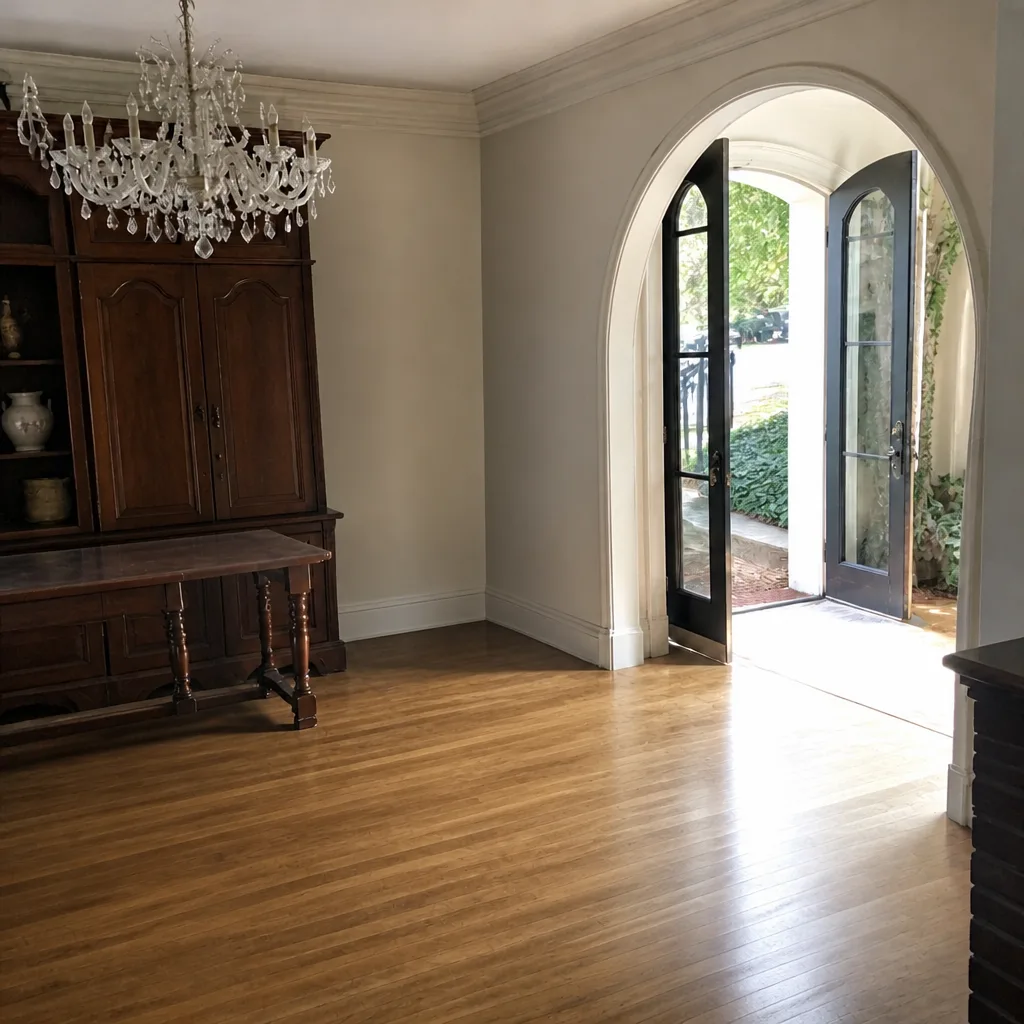
Whole-system duct and dryer vent check with before-and-after photos - you see exactly what came out of your vents
That "$99 whole-house special" is a bait ad - the real number appears once they are in your hallway, or the "clean" is a shop-vac at the register. We photograph the inside of your ducts before and after instead.
Air Duct Cleaning Cost Breakdown: The Buckhead Homeowner’s Reference for 2026
Most Buckhead homeowners think of duct cleaning quotes as a negotiation over price. They’re really a negotiation over scope. The $89 coupon in your mailbox covers roughly four supply vents cleaned with a consumer-grade vacuum, a fraction of what a typical Buckhead home actually has. That price isn’t a discount. It’s the down payment on work that gets priced in your living room once the technician is already set up. This guide breaks the real 2026 numbers into line items so you can compare quotes on what they include, not what they lead with. You’ll see how per-vent and whole-system pricing differ, what drives cost in Buckhead specifically, and how to spot a gap in a quote before work begins rather than after.
Quick Answer
Air duct cleaning in Buckhead, GA runs roughly $350 to $700 for a whole-system cleaning in a typical two- to three-story home, with older systems, multi-zone layouts, and finished basement returns pushing to $900 to $1,300. Sanitizing adds approximately $150 to $350, and duct repair or sealing adds roughly $300 to $900 depending on how many joints and runs need attention. Any honest quote lays this out per line item before work starts, and the written estimate is what sets the final price.
Styles & brands we work with
- Whole-home duct cleaning
- Dryer vent cleaning
- Camera inspection
- Sanitizing & deodorizing
Table of Contents
- Per-Vent vs. Whole-System Pricing: What Each Actually Delivers
- What Drives Duct Cleaning Cost in Buckhead Homes
- Realistic 2026 Price Ranges by Home Size and System Age
- Sanitizing, Deodorizing, and Mold Treatment: What They Legitimately Add
- How to Read a Duct Cleaning Quote Line by Line
- The Equipment Behind the Price
- Duct Repair and Sealing: The Cost of Doing It in One Visit vs. Two
- Common Mistakes to Avoid
- When to Call a Professional
- Frequently Asked Questions
Per-Vent vs. Whole-System Pricing: What Each Actually Delivers
Duct cleaning quotes come in two models, and the difference between them explains most of the price spread you’ll see in Buckhead. Per-vent pricing charges for each vent or register cleaned. Whole-system pricing covers the entire air-distribution system: all supply vents, all returns, the trunks, the plenum, and the air handler. They’re not two ways of pricing the same job. They’re two different jobs.
Per-vent pricing looks cheaper on paper because the base number is small. A “four vents for $99” offer is priced per vent against a home that typically has 15 to 25 supply vents plus two or three large returns. The quart of milk in the store window, in other words. Once the technician is on site and sees the rest of the system, the add-ons begin, and the final invoice is often higher than a whole-system quote would have been.
Whole-system pricing starts with a higher headline number, but includes the returns, the air handler, and every vent in one figure. Here’s how the two models compare on what you actually get:
- Per-vent: You pay for a set number of supply registers. Returns, trunk lines, and the air handler are usually excluded or billed separately.
- Per-vent: The base price almost always assumes consumer-grade equipment, which can’t generate the vacuum or agitation needed to remove years of settled debris from trunk lines.
- Whole-system: You pay one price for all supply vents, all returns, trunks, and the air handler.
- Whole-system: The quote is itemized by component, so you can see exactly what’s included before anyone sets up.
We treat every job as a whole-system cleaning with a flat price agreed before work starts, and we photograph the system before and after so you have a record of your own ducts, not a stock image. That’s air duct cleaning the way it should be quoted. For a fuller picture of the process itself, the main page on Air Duct Cleaning Buckhead walks through what a whole-system visit involves.
What Drives Duct Cleaning Cost in Buckhead Homes
Buckhead homes aren’t all the same under the hood, and the physical layout of your system is the single biggest factor in what a cleaning costs. Two houses the same square footage can carry radically different labor, and that difference shows up in the quote. Here’s what actually moves the number here.
Multi-story layouts
A three-story Buckhead home often runs a separate zone per floor, which means more trunk lines, more branch runs, and more access points. Every extra zone means more time on the vacuum and more places to reach. A single-zone ranch is a simpler job; a tri-level with an attic air handler and a basement zone can double the labor time.
Finished basement returns
Finished basements are common in Buckhead’s older neighborhoods, and the return systems feeding them are frequently retrofit jobs. That matters for two reasons. First, a return air grate in a finished ceiling can’t always be reached without cutting access. Second, retrofit returns in finished spaces are often the first place leaks develop. Both add to the job.
Flex duct from the 1980s and 1990s
A large share of Buckhead’s housing stock dates to the 1980s and 1990s, when flexible duct was the standard. Flex duct older than about 20 years is a legitimate cost driver because it often can’t be cleaned as thoroughly as rigid duct and may have separated at joints, snagged on framing, or accumulated moisture damage. If the duct is failing, cleaning it without also sealing or replacing it wastes money. A technician who inspects before quoting will tell you straight which side of that line your system is on.
Homes on slab foundations with attic air handlers, homes with two or more HVAC systems, and homes where previous owners have run filters with poor pressure drop all add labor time as well. The Buckhead climate – humid summers, cool but rarely severe winters – doesn’t damage ducts the way coastal salt air or desert heat would, but the humidity pushes condensation issues in older flex duct and in air handlers pulled into unconditioned attic space.
Realistic 2026 Price Ranges by Home Size and System Age
Here’s the breakdown we’d want if we were a Buckhead homeowner comparing quotes. Ranges are typical for the middle of the market. Older systems, multi-zone layouts, and finished-basement returns push toward the top of each range. The final price is set per job by the written estimate, not by any number in a table.
| Home Size / System | Whole-System Cleaning | Add Sanitizing | Add Sealing/Repair |
|---|---|---|---|
| Condominium or townhome, single system, under 1,500 sq ft | $300-$500 | +$150-$250 | +$250-$500 |
| Single-family, single system, 1,500-2,500 sq ft | $350-$600 | +$200-$300 | +$300-$700 |
| Single-family, multi-zone or 2 systems, 2,500-3,500 sq ft | $500-$800 | +$250-$350 | +$400-$800 |
| Large or multi-level home, 3+ systems, 3,500+ sq ft | $700-$1,300 | +$300-$350 | +$500-$900 |
| Pre-1990 system with flex duct requiring repair or partial replacement | $400-$700 | +$200-$350 | +$500-$900 |
What those ranges buy: complete cleaning of all supply vents, all returns, all trunk lines, the plenum, and the air handler, using professional equipment, with before-and-after photos. What they don’t buy: a per-vent visit that stops at the vent cover.
One flat price per system, agreed before work starts. That’s the structure we work under. If your head needs a second cleaning, or if the tech finds repairs mid-job, the estimate has to change before the wrench turns, not after. For comparison shopping across the area, our page on HVAC cleaning explains how air handler and coil cleaning interact with duct work, since a whole-system price that leaves the coil untouched will need a return visit.
Sanitizing, Deodorizing, and Mold Treatment: What They Legitimately Add
Sanitizing is the line item most likely to be either overpriced and unnecessary or skipped when you actually need it. Both failures cost you. Here’s the honest breakdown.
Plain duct cleaning removes physical debris: dust, dander, drywall dust, construction residue, and settled particulate. Sanitizing addresses what’s living on the duct surfaces after the debris is gone. Those are two different jobs, and a cleaning that skips the sanitizing step when microbial growth is present leaves the problem in place.
When sanitizing genuinely earns its cost:
- Visible microbial growth. If a technician opens a return or trunk and sees dark spotting, the ducts have active growth, and cleaning without treatment just disturbs the colony.
- Persistent odor. A musty smell that returns within weeks after a cleaning usually means growth in the air handler insulation or a condensate issue, both of which need treatment, not just debris removal.
- Recent water damage or a long vacancy. A home that sat empty through a humid Atlanta summer is a legitimate case for treatment.
- Health-driven households. Households with an allergy sufferer, a respiratory condition, or a new baby have a reasonable case for the additional step. That’s a decision for the homeowner and their physician; we won’t pressure it.
When sanitizing is being upsold unnecessarily: if the ducts are clean, dry, and show no growth, sanitizing is an optional add-on, not a required one. A quote that hard-bundles it into every visit without an inspection is a quote worth questioning. The distinction we draw is sanitizing, not just cleaning: treatment addresses microbial growth and airborne contaminants, but only where they’re actually present. Equipment matters here too – the Abatement Technologies containment platform is what separates true contaminant control from a spray bottle. For how this ties into filtration and air quality overall, the products from Honeywell and Aprilaire we integrate let us install or upgrade filters during a visit, so the system that runs after cleaning is doing more filtration than the one that ran before.
How to Read a Duct Cleaning Quote Line by Line
A legible quote tells you what will be touched, how, and with what. A vague quote hides the gaps. Here’s a numbered walk-through of what to look for on the page before anyone sets up a machine.
- Count the vents on the quote against your home. Walk the house and count every supply register and every return grille. If the quote says “up to 8 vents,” your other 12 are being billed later.
- Confirm the returns and air handler are included. These are the heaviest-contamination parts of the system. If either is a line item or an upsell, ask why.
- Ask what equipment will be used. A consumer shop vac versus a Rotobrush or Nikro platform is the difference between a wipe-down and a cleaning.
- Check that the price is flat, not hourly or per vent. Hourly pricing transfers all the risk to you; flat pricing puts the incentive on getting it done right.
- Confirm before-and-after photos are included. Photos of your own system are how you verify the work happened.
- Look for the repair line item. An honest quote mentions sealing and repairs as a separate scope, with ranges, so you’re not surprised when a damaged joint is found.
- Read the fine print on sanitizing. Is it included, optional, or hard-bundled? Any of those can be right; bundling without inspection is the red flag.
If the quote can’t answer what the return system and air handler cost, it’s not a quote. It’s a door-opening price. For our own scope, repairs and sealing are done in the same visit – not referred out – so there’s no second contractor and no second invoice.
The Equipment Behind the Price
The single most useful question in comparing quotes is what platform the crew uses. Consumer vacuums look intimidating and move air, but the air volume and the source vacuum need to be balanced for a cleaning to actually accomplish anything. If the vacuum is stronger than the air it pulls, it drags debris past duct inlets and past the air handler instead of capturing it.
Professional duct cleaning platforms solve that with brushes, agitation lines, and HEPA-filtered vacuum systems that remove material without redistributing it into the home. The Rotobrush system is the entry-level professional platform most residential cleaners in Buckhead work with. Nikro equipment steps up the containment and air volume. Abatement Technologies is where a job crosses from cleaning into genuine contamination control – negative-pressure containment that keeps disturbed particulate inside the machine, not in your living room.
What that adds to the price is time and equipment cost. What it prevents is a cleaned duct that re-contaminates in a month because the debris went into the air handler instead of out of the house. If you’ve had a cheap cleaning that “made the smell worse,” the equipment was the problem. Guardsman brushes and accessories round out the systems we work with so the cleaning reaches the corners and elbows a standard vacuum head can’t.
Air Duct Cleaning Buckhead uses Rotobrush and Nikro equipment – the same platforms specified by commercial HVAC and remediation contractors. Our technicians have up to 8 years of experience. Commercial-grade equipment, residential care: that’s the standard we hold.
Duct Repair and Sealing: The Cost of Doing It in One Visit vs. Two
Duct repair and sealing add roughly $300 to $900 to a job, depending on how many joints and runs need attention, and the value of doing it during the cleaning visit rather than later is often the difference between a clean system and a clean system that stays clean. Clean ducts stay clean when leaks are sealed. Here’s why that’s not marketing.
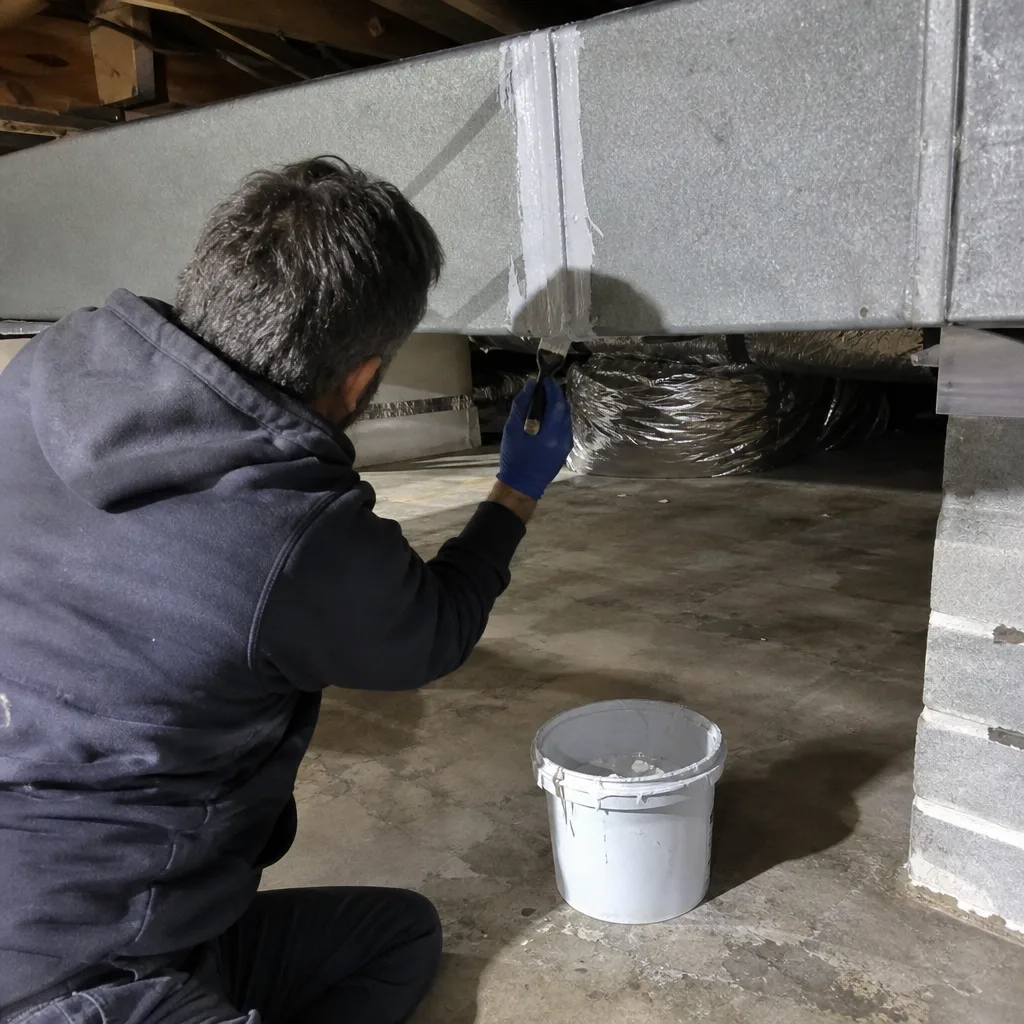
Every unsealed joint in a duct system pulls air from wherever it’s running – attics, crawl spaces, wall cavities – into the airstream you breathe. A clean duct with a leaking joint re-contaminates from the inside because that leak is pulling in attic dust and insulation fibers every time the system runs. Sealing those joints is what makes the cleaning last past the first cooling season.
When is the repair line item legitimate?
- Visible gaps at joints. Loose tape, disconnected collars, or separated flex at elbows.
- Flex duct that’s crushed or kinked. Restricted duct means restricted airflow, which raises energy costs and puts strain on the blower.
- Insulation damage on the interior. If the duct’s interior liner is failing, cleaning the debris out is half the fix; the damaged section needs repair.
- Return duct leaks into attic or crawl. These are the priciest to fix but the highest-value, because they pull in the dirtiest air on the property.
Doing the repair in the same visit as the cleaning means one setup, one equipment mobilization, and one inspection walk-through. Doing it later means paying for a second dispatch and a second setup. For how a full comfort visit works, the four services across the system connect naturally – duct work, dryer vents, HVAC coils, air quality treatment, and repair – because a leak in one usually affects the others. dryer vent cleaning is a separate safety service we offer, and the reason it’s on the same list is that the same airflow principles apply: a clear, sealed path moves air, a clogged or leaking one fights it.
Common Mistakes to Avoid
- Booking the coupon price without reading what it covers. That “$89” figure typically covers four supply vents with consumer equipment. If you don’t confirm scope in the quote, the rest of the system becomes a live negotiation with a technician already in your attic.
- Comparing per-vent quotes to whole-system quotes as if they’re the same. One is priced for ten minutes of access, the other covers the returns, trunks, and air handler. A whole-system quote that comes in higher than a per-vent one is usually telling you the truth about scope.
- Skipping the sanitizing question both ways. Asking “do I need it?” is fine. Bundling it into every quote or refusing to discuss it are both signs the quote isn’t built around your system.
- Ignoring the repair line item. In Buckhead’s 1980s-90s housing stock, failing flex and separated joints are common. A quote with no repair scope says the company either didn’t look or plans to refer it out.
- Accepting a verbal price. The written estimate sets the final price; a verbal “should be around” is not a price. Ask for the number in writing before any work starts.
- Choosing the cheapest bid without checking the equipment. A shop vac costs the operator almost nothing to run, which is why it’s cheap. A professional platform costs real money, and the quote reflects that.
- Not asking for before-and-after photos of your own ducts. Photos of the job are the single best proof you got what you paid for. If the answer is “we don’t do photos,” keep calling.
When to Call a Professional
Call when you’re seeing visible dust plumes from registers when the system kicks on, when a musty smell returns within days of a filter change, or when anyone in the household with allergies reacts the same way in every room. Call after any renovation or water event that involved cutting drywall or standing water near the air handler. And call when the system itself is old enough that flex duct and joint separation become likely – a 1990s system has had time to develop both.
We’ve seen all of these in Buckhead homes and they’re worth addressing before they become bigger problems. Air Duct Cleaning Buckhead offers free estimates in Buckhead – call (844) 443-4682. We answer 24/7, with fast dispatch from 7am to 7pm, Sunday through Friday.
Frequently Asked Questions
A typical whole-system cleaning in Buckhead runs $350 to $700 for a single-system home, and $500 to $1,300 for larger or multi-zone homes. Sanitizing and duct repair are separate line items with their own ranges. The written estimate sets the final price, and it should be agreed before work starts. Call (844) 443-4682 for an exact quote – estimates are free.
Cheaper quotes almost always cover less: fewer vents, no returns, no air handler, and consumer-grade equipment. The $89 offers you see in Buckhead typically cover four supply vents with a vacuum, with the rest of the system priced once the technician is on site. A cheap quote isn’t a lower price for the same job – it’s a smaller job. Call (844) 443-4682 to compare quotes on scope, not just the headline number.
Ask for before-and-after photos of your own system, which is the standard we work to. Photos of your actual ducts, not a stock image, are the only proof that the visit touched what the quote said it would. Look for a company that includes them without being asked. Call (844) 443-4682 – we’ll walk you through the photo documentation before, during, and after the visit.
Most Buckhead homes don’t need it more often than every three to five years, and some go longer if the ducts are sealed and the filters are changed regularly. Homes that have had recent renovations, water damage, or long vacancies may need it sooner. If a company tells you it needs doing every year without inspecting the system first, ask why. Call (844) 443-4682 for an honest assessment.
Yes. Each zone has its own trunk, branch runs, and air handler, which means more time on the vacuum and more access points. A three-zone home typically lands $200 to $400 above a single-zone home of similar square footage. That’s scope, not upselling. Call (844) 443-4682 and we’ll price it per zone on the written estimate.
Only when there’s something to treat. Visible growth, persistent odor, recent water damage, or a household with a health condition are the legitimate cases, and in those cases it’s worth the $150 to $350 typical range. On a clean, dry system it’s optional. Call (844) 443-4682 and we’ll inspect before recommending it.
The Bottom Line
The gap between an $89 coupon and a $1,200 whole-system job in Buckhead isn’t profit margin. It’s scope, equipment, and whether the quote includes the returns, the trunks, and the air handler – the parts that actually hold the debris. Read every quote as a scope document, not a price tag. Confirm what equipment will be used, that the price is flat and agreed before work starts, and that before-and-after photos are part of the deal. Sanitizing is worth it when the inspection says it is. Duct repair and sealing is worth it because clean ducts only stay clean when the leaks are shut. Understand those four things and no quote will surprise you.
Call (844) 443-4682. We answer 24/7. Fast dispatch from 7am to 7pm, Sunday through Friday. Estimates are free, and every job is priced per system in a written estimate you agree to before work starts.
Written by the team at Air Duct Cleaning Buckhead.
See the difference
 Before
 After
 Before
 After
 Before
 After