
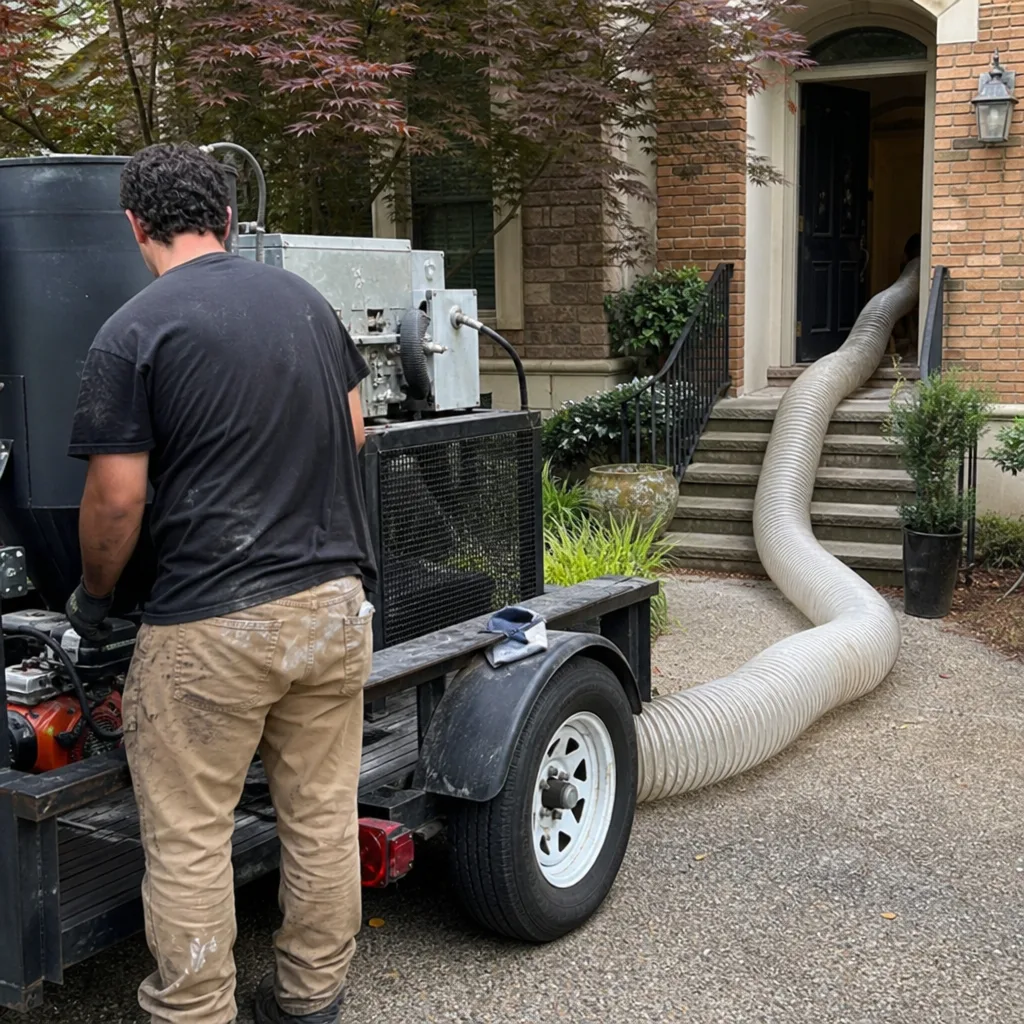
Last updated November 25, 2026
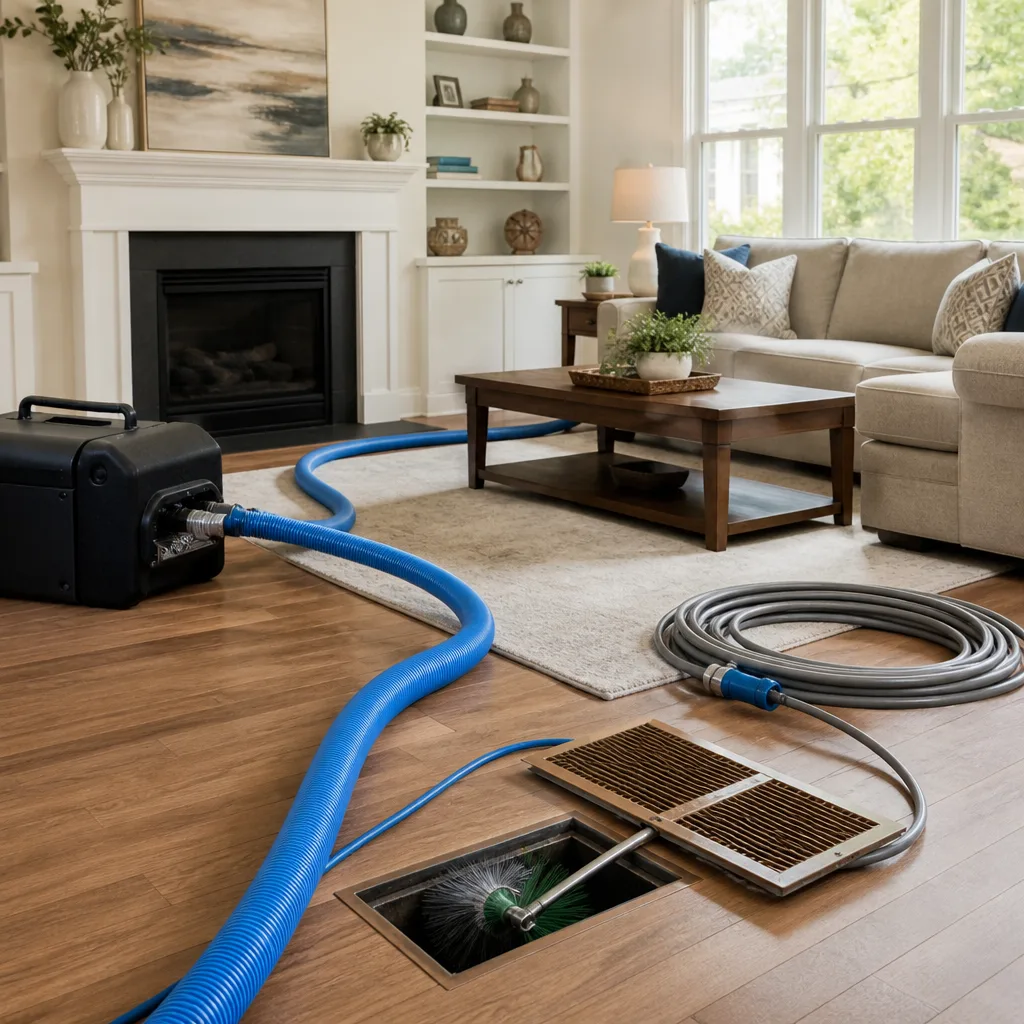 Whole-home duct cleaning
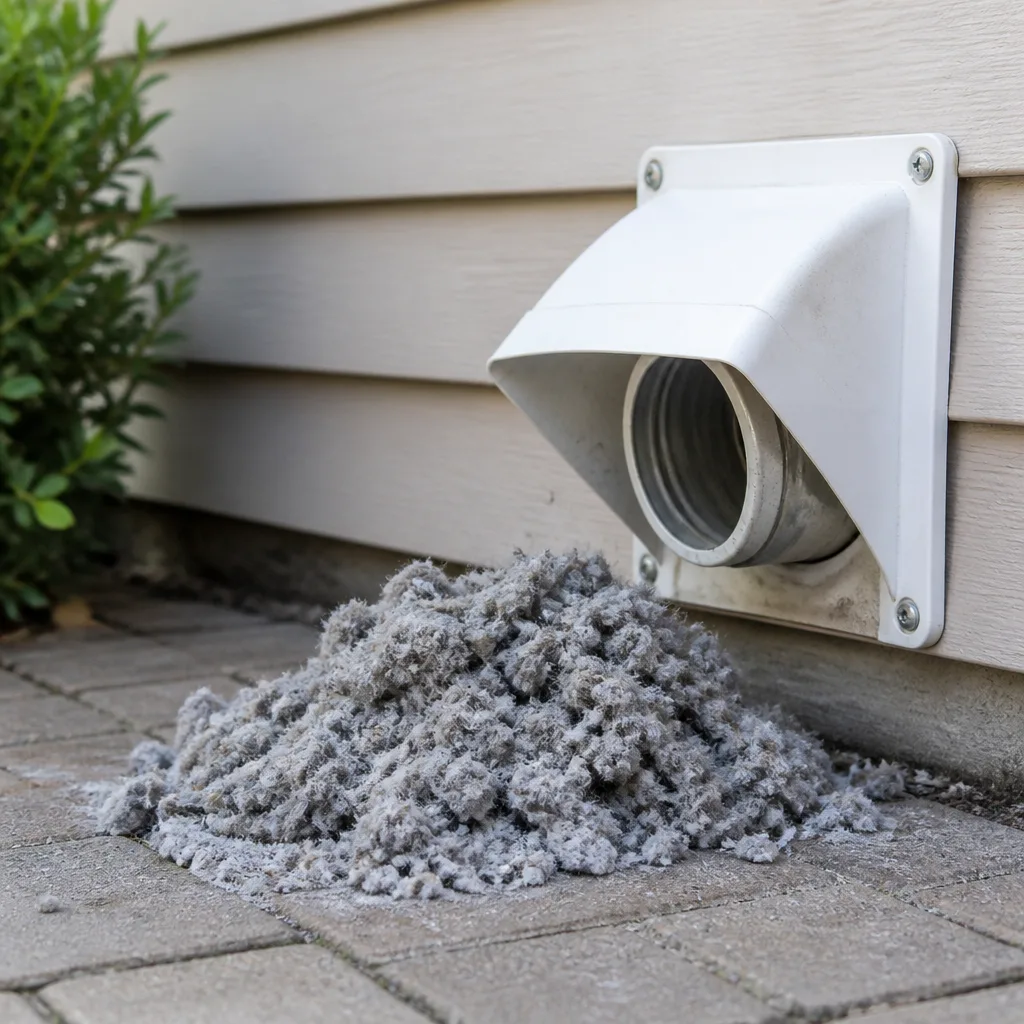 Dryer vent cleaning
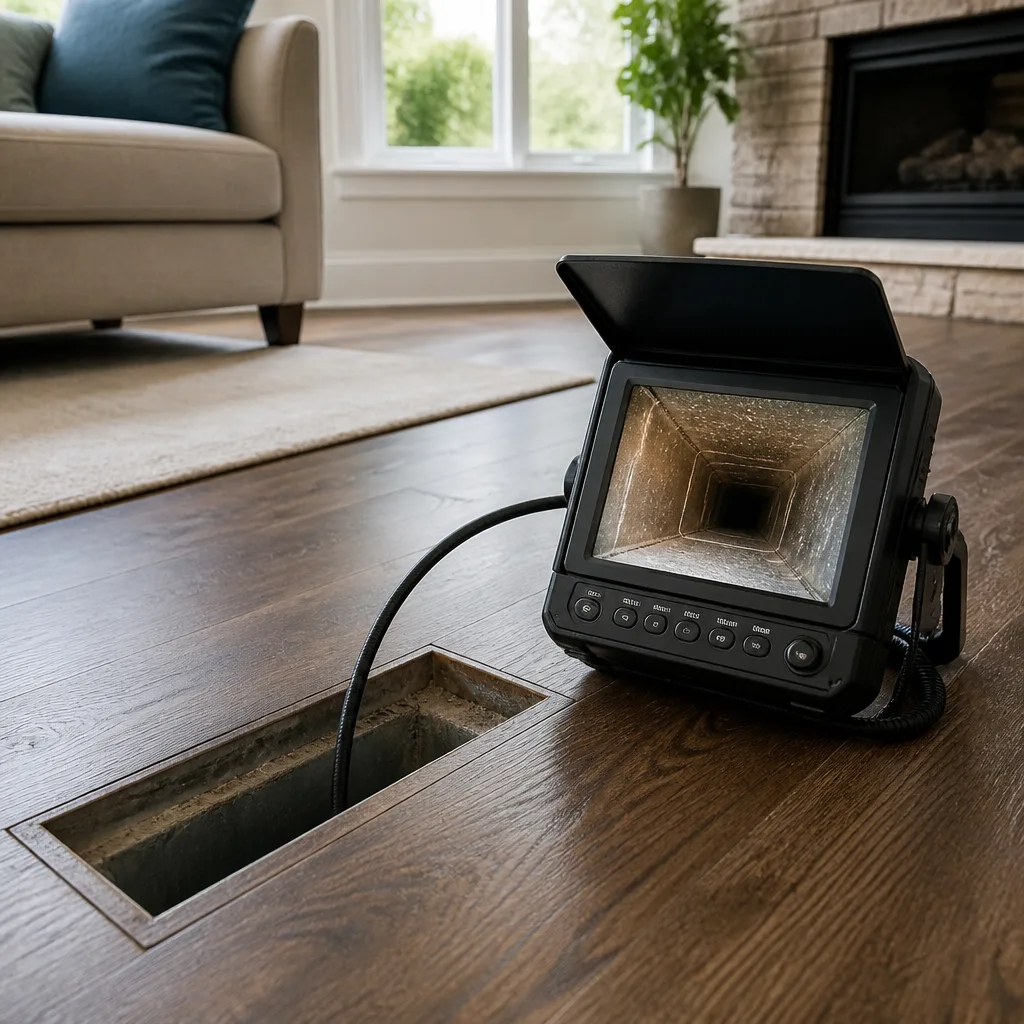 Camera inspection
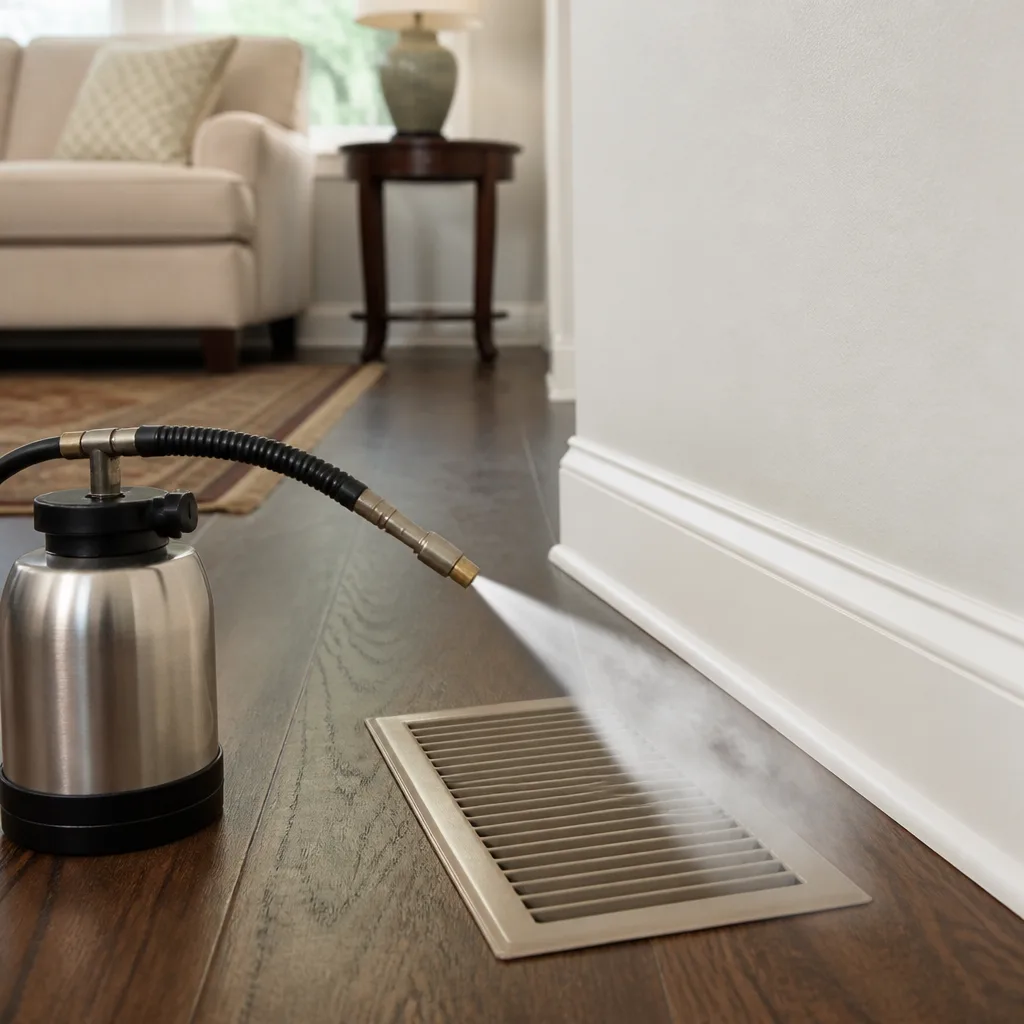 Sanitizing & deodorizing
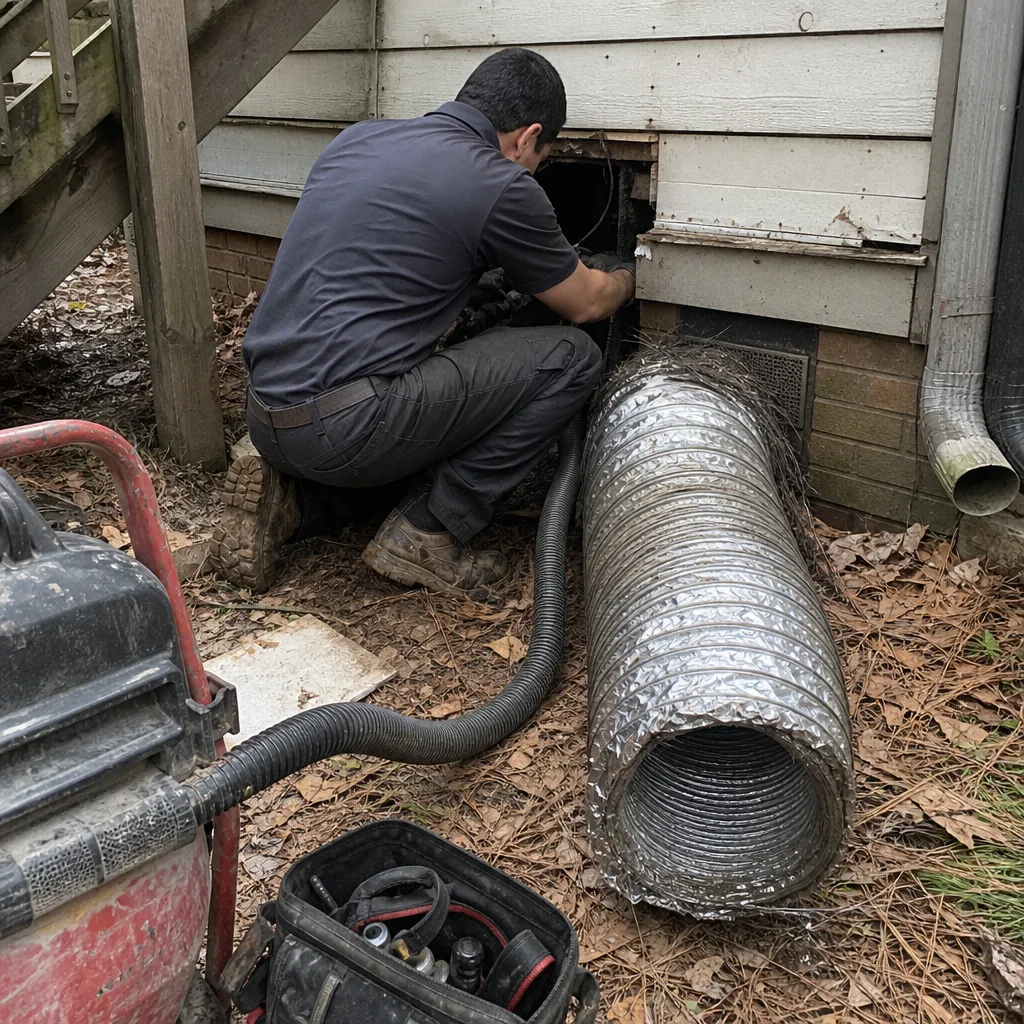
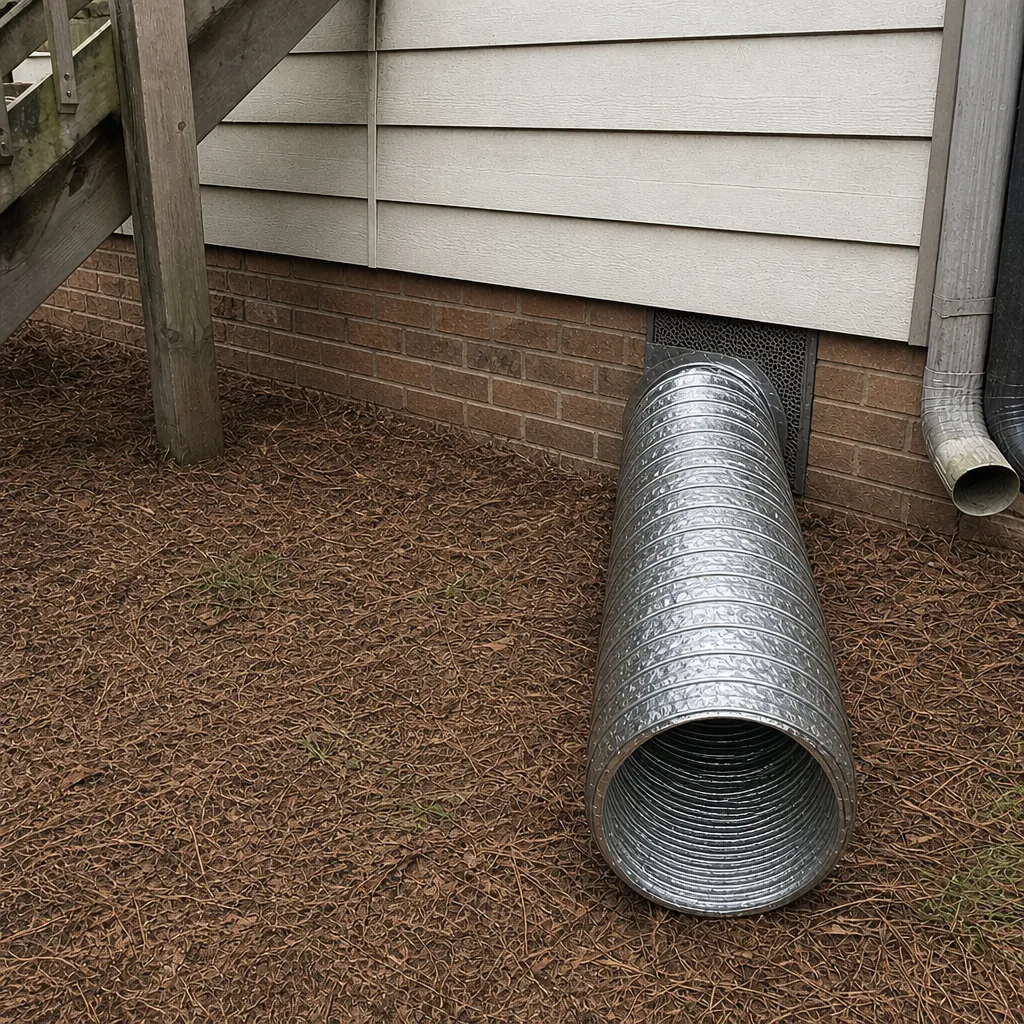
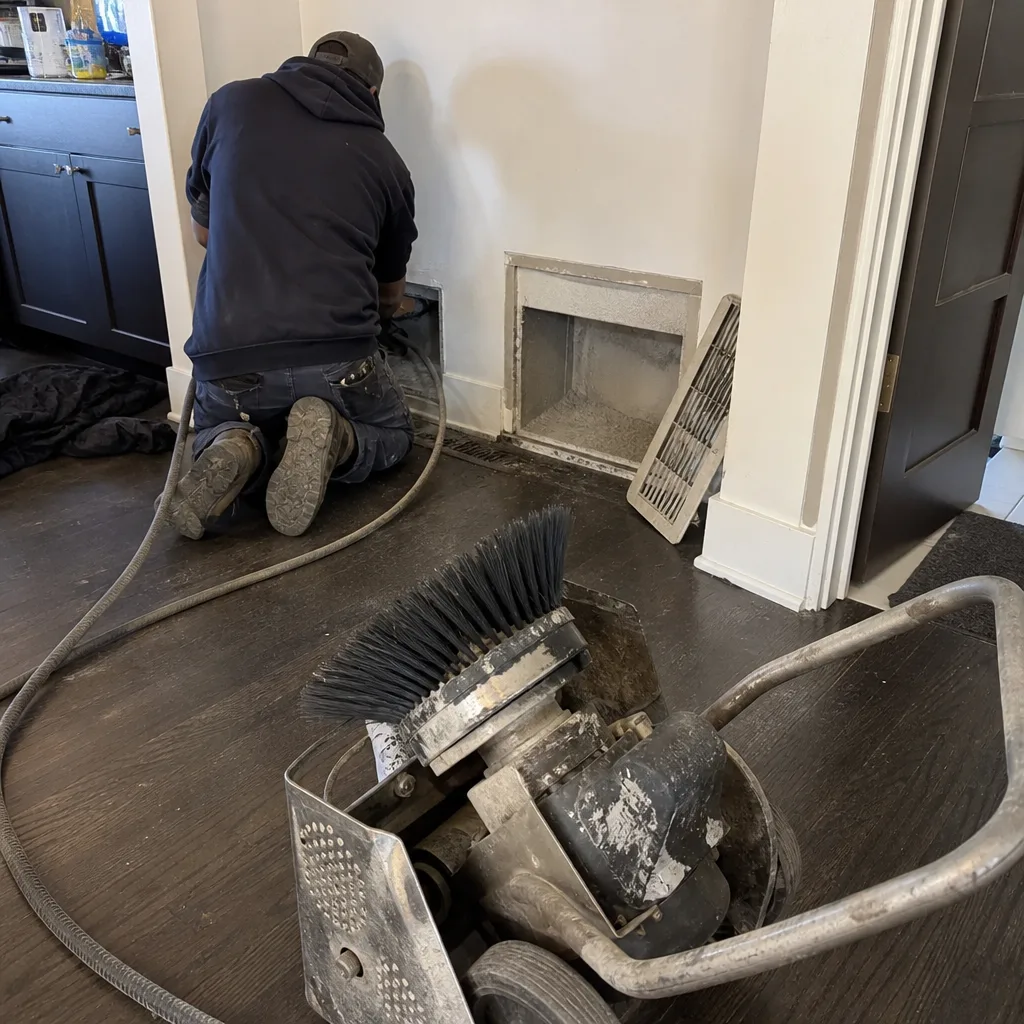
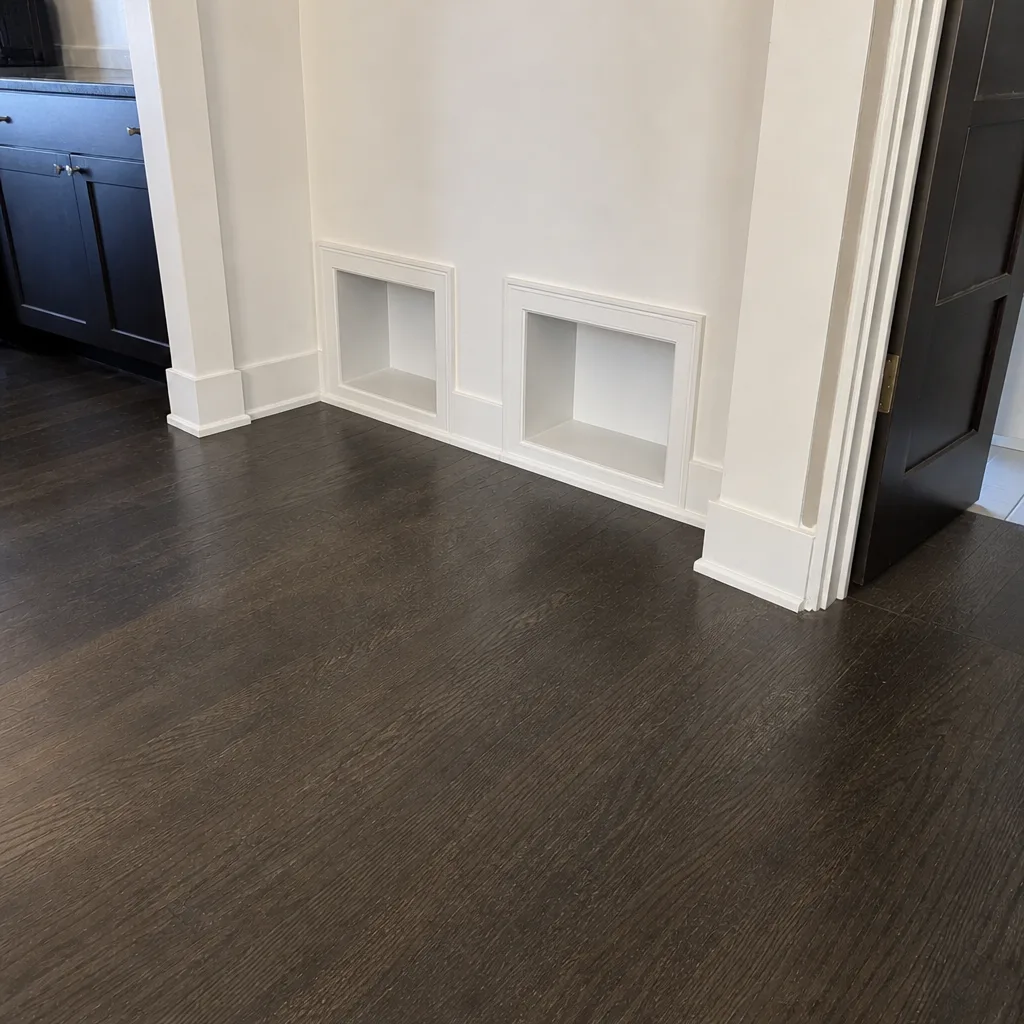
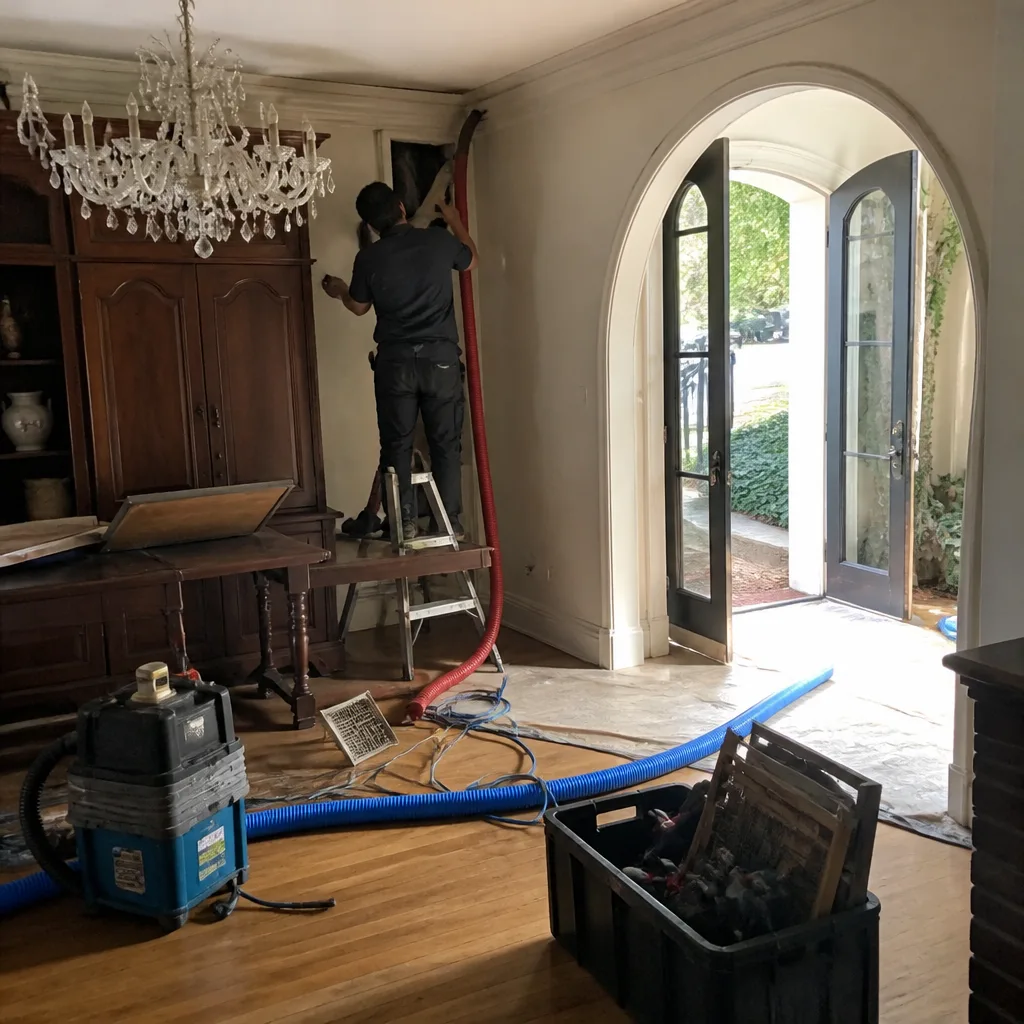
Whole-system duct and dryer vent check with before-and-after photos - you see exactly what came out of your vents
That "$99 whole-house special" is a bait ad - the real number appears once they are in your hallway, or the "clean" is a shop-vac at the register. We photograph the inside of your ducts before and after instead.
Air Duct Cleaning Troubleshooting in Buckhead: Common Problems and How to Fix Them
If your ducts smell musty two weeks after a cleaning, the cleaning didn’t fail. Your diagnosis did. The odor was never in the duct walls; it was in the drain pan or the evaporator coil upstream, and no amount of brushing the ducts was ever going to reach it. That’s the trap most Buckhead homeowners fall into: they chase the symptom they can see or smell, fix it in isolation, and then watch the same problem return on a schedule. This guide is built to break that cycle. You’ll learn to read your air system the way a technician does, using airflow, odor, and noise as diagnostic clues, so you can tell a real duct problem from an HVAC component problem and know exactly when to stop guessing and call someone. Buckhead homes have specific quirks that make this skill more useful than it sounds, and we’ll get into those as we go.
Quick Answer
Most air duct “problems” in Buckhead trace back to one of four sources: duct leakage pulling attic or crawlspace air into the system, moisture feeding microbial growth inside the air handler, disconnected or crushed duct runs causing pressure imbalance, or dust and debris that was never fully removed because the cleaning skipped the plenum and coil. Real fixes require locating the source, not repeating the cleaning. You can narrow down which of the four you’re dealing with using three clues: when the symptom appears, where it appears, and whether airflow at other registers changed at the same time.
Styles & brands we work with
- Whole-home duct cleaning
- Dryer vent cleaning
- Camera inspection
- Sanitizing & deodorizing
Table of Contents
- Symptom Versus Cause: Reading Your Air System Like a Technician
- Why Dust Comes Back After a Cleaning
- Odor That Only Shows Up on Humid Days
- The Tissue Test: Mapping Your Pressure Imbalances
- What Noise Patterns Tell You About Duct Problems
- Camera Inspection Versus a Visual Check: Which Do You Need?
- Duct Problem or HVAC Component Problem? A Decision Framework
- Buckhead Factors That Change the Diagnosis
Symptom Versus Cause: Reading Your Air System Like a Technician
A technician walks into a home and doesn’t start with the ducts. They start with a question: what changed, and when? The answer almost always points to whether the problem lives in the duct system itself or somewhere upstream in the air handling equipment. That distinction determines whether cleaning, sealing, repair, or a different trade entirely is the right move.
Here’s the framework we use. Three signals, read together, tell you more than any one signal alone.
- Airflow: Is the problem at one register or several? A single weak register points to a branch duct problem. Weak airflow everywhere points to the blower, the filter, the coil, or a main trunk issue.
- Odor: Is the smell constant or intermittent? Constant odor suggests something in the airstream. Odor that appears only under specific conditions points to moisture or biological growth that activates when conditions favor it.
- Noise: Is the sound new, and does it change with fan speed? A rattle that shows up at higher fan speeds is different from a whistle that’s always there.
The tricky part is that these signals overlap. A crushed duct can cause both weak airflow and a whistling noise at the register. A dirty evaporator coil can cause weak airflow, musty odor, and a strained blower sound all at once. That’s why the diagnosis has to start with “what changed and when” before you commit to any single explanation. In Buckhead, where many homes have duct systems that have been modified, extended, or rerouted over the years as rooms were added or renovated, the “what changed” question often has a longer answer than the homeowner expects. Original ductwork from a 1960s ranch might connect to a 2000s addition through a run that was never properly sized. That kind of legacy mismatch produces symptoms that look like a cleaning problem but are really a design problem.
Why Dust Comes Back After a Cleaning
Dust returning within weeks of a professional cleaning almost always means duct leakage, not a bad cleaning job. When return or supply ducts have gaps, loose joints, or disconnected sections, the system pulls unconditioned air from attics, crawlspaces, and wall cavities every time the blower runs. That air carries dust, insulation fibers, and whatever else is sitting in those spaces, and it deposits it right back into the ducts and the living space. The cleaning removed the debris; the leak put it back.
This is the single most misunderstood problem in residential duct work, and it’s why duct repair and sealing matters as much as cleaning. Clean ducts stay clean when leaks are sealed. Without that step, you’re paying for a reset button that gets pressed again every few weeks.
How do you confirm it’s leakage and not something else? Use this sequence:
- Check the filter first. A filter that loads up in under a month is catching more than normal household dust. That’s a leakage clue.
- Look at the register frames. Gaps between the boot and the drywall, or between the boot and the duct, are common leakage points in Buckhead homes where original construction tolerances were loose.
- Check the attic or crawlspace connections. Every joint in exposed ductwork is a potential leak. Disconnected flex duct at a takeoff is more common than homeowners expect.
- Watch for dust patterns. Dust concentrated near one register or along one wall suggests a leak in that specific run rather than a whole-system problem.
If the dust is uniform and heavy everywhere, the system is pulling from a large unconditioned space, often the attic. If it’s concentrated, you’re looking at one or two specific leaks. Either way, the fix is repair and sealing, followed by a proper cleaning once the envelope is tight. The brands we work with matter here: Nikro equipment is built for the negative-pressure containment that a proper cleaning requires, and a system that’s been sealed first will hold that pressure and clean far more thoroughly than a leaky one.
Odor That Only Shows Up on Humid Days
A musty smell that appears only when it’s humid outside is a moisture signature, and the source is usually inside the air handler, not in the ducts. The duct walls are the wrong suspect in most of these cases. The more likely origin is the drain pan under the evaporator coil, the coil itself, or the interior insulation of the air handler cabinet. When humidity climbs, that area stays wet longer, microbial growth becomes active, and the blower pushes the smell through the whole system.
Atlanta’s summers are long and humid. Buckhead homes often run air conditioning for months on end, and the cooling coil stays wet through most of that stretch. If the drain pan doesn’t slope properly or the condensate line is partially clogged, water sits, and sitting water supports growth that no amount of duct cleaning will eliminate.
The signs that point to the air handler rather than the ducts:
- Black streaks or dark staining around supply registers, especially near the air handler closet
- Odor that appears only when the AC is running and fades when it cycles off
- A smell that’s stronger in the room closest to the air handler
- Visible moisture, rust, or staining inside the air handler cabinet
What to do about it: the area needs to be inspected, dried, treated, and the source of moisture corrected. That’s a different job than a standard duct cleaning, and it belongs under an air quality and sanitizing scope rather than a debris-removal scope. Sanitizing, not just cleaning, is the distinction that matters here. Removing debris from ducts that sit downstream of a wet air handler is like mopping a floor while the pipe above it keeps dripping. Abatement Technologies containment equipment exists specifically to handle microbial remediation without spreading contaminants through the rest of the home, which is why we use it when a job calls for true containment rather than surface cleaning.
The Tissue Test: Mapping Your Pressure Imbalances
A single tissue held against each register, one at a time, will tell you more about your duct system’s pressure balance than any guesswork. The test is simple, it costs nothing, and it maps the system’s behavior room by room.
Here’s how it works:
- Turn the system to fan-only or cooling with the fan on high. Give it a few minutes to stabilize.
- Hold a tissue near each supply register, about an inch from the grille. Note how strongly it’s pulled toward the register or blown away from it. Strong pull or strong flutter is normal; a tissue that barely moves or falls flat indicates weak airflow at that register.
- Repeat at each return register. A return that feels weak may be starved, or it may be pulling air from an unintended leak path.
- Record the results room by room. Write it down. The pattern matters more than any single reading.
Now read the pattern:
- One register weak, all others normal: that branch run has a problem. It may be crushed, disconnected, kinked at a flex transition, or blocked by debris.
- All registers weak on one side of the house: the trunk serving that side is compromised, or the system is undersized for the square footage it’s trying to serve.
- All registers weak everywhere: the problem is upstream of the ducts. Blower, filter, coil, or a duct design issue.
- Returns weak but supplies strong: the return side is restricted. This creates positive pressure in the living space and forces air out through envelope leaks, which pulls dust in from unintended places.
This test won’t tell you exactly what’s wrong, but it will tell you where to look, and that’s the difference between a targeted inspection and a fishing expedition. In Buckhead homes where additions or renovations have added registers to an existing system, the tissue test often reveals that the new rooms got the best airflow and the original rooms got starved, or the reverse. Either result points to a duct design or repair question, not a cleaning question.
What Noise Patterns Tell You About Duct Problems
Noise is the most ignored diagnostic signal in residential air systems, and it’s often the most specific. Different problems produce different sounds, and matching the sound to the likely cause saves a lot of guesswork.
- Whistling at a register: restricted airflow through a small opening. Often a partially closed damper, a crushed section just behind the boot, or a register that’s undersized for the run.
- Rattling that appears only at high fan speed: loose duct connections, unsecured flex duct, or a damper blade that vibrates. This is often a sealing and securing issue rather than a cleaning issue.
- Rumbling or booming from the air handler closet: a blower or motor issue. Not a duct problem.
- Popping or crackling when the system starts or stops: duct flexing under pressure changes. Common in metal ductwork that isn’t adequately supported, and often a sign of pressure imbalance in the system.
- A whooshing sound that’s uniform but louder than usual: the system is working hard against a restriction. Check the filter first, then the coil.
Record when the sound appears and whether it changes with fan speed. A noise that only happens at startup is a very different diagnosis from one that’s continuous. When you describe the symptom to a technician, “it rattles for ten seconds when the AC kicks on, then stops” is far more useful than “it’s been making noise.” Buckhead homes with older metal ductwork often develop these patterns as the system ages and supports loosen, and the noise is the first sign that joints need attention.
Camera Inspection Versus a Visual Check: Which Do You Need?
A visual check is sufficient when the symptom is confined to accessible areas. A camera inspection is necessary when the symptom points to duct runs you can’t see. Knowing which you’re dealing with prevents unnecessary cost and, more importantly, prevents a real problem from being missed because the inspection never reached it.
A visual check is usually enough when:
- The problem is at a single register and the run behind it is visible in an attic or basement
- Dust returns immediately and the leakage points are accessible
- The complaint is about debris you can see at the register face
- The air handler and coil are accessible for inspection
A camera inspection is warranted when:
- Airflow is weak at one or more registers but the run isn’t visible
- You suspect a disconnected or collapsed duct behind finished walls or ceilings
- There’s persistent odor that doesn’t resolve with cleaning and the air handler looks clean
- A previous cleaning didn’t change the symptom at all
- The home has a history of renovation, and ductwork may have been rerouted or buried
Camera inspection answers the question no amount of surface inspection can: is the duct actually continuous and intact? In Buckhead, where a lot of homes have ductwork running through spaces that were later finished over, this distinction comes up more often than you’d expect. A camera run is also the only way to confirm that a cleaning actually reached the full length of every branch, which is a check worth insisting on if you’ve been disappointed by a previous job.
Duct Problem or HVAC Component Problem? A Decision Framework
The fastest way to narrow this down is to ask what else is happening. Duct problems and HVAC component problems produce overlapping symptoms, but they don’t produce identical ones. Here’s a decision framework that separates them.
Ask these four questions in order:
- Does the symptom change when the fan speed changes? If a noise or airflow problem gets worse as fan speed increases, that points to a duct or airflow design issue. If it’s present at all speeds, it’s more likely upstream in the equipment.
- Is the symptom in one zone or everywhere? One zone means a branch duct problem. Everywhere means the air handler, the coil, the filter, or the main trunk.
- Does the symptom go away when you open a window or a door? If it does, the return air path is restricted, and that’s a duct or return design problem, not a cleaning problem.
- Is there a moisture smell or visible moisture? If yes, look at the coil, drain pan, and air handler first before assuming ducts.
If you can’t get past question two without uncertainty, that’s the point where professional diagnosis pays for itself. A technician with the right equipment can measure static pressure at the air handler and at the registers, which resolves the question definitively. Static pressure readings tell you whether the system is working against a restriction, and where that restriction lives.
Buckhead Factors That Change the Diagnosis
Buckhead is not a uniform housing market. You have 1920s and 1930s homes near Peachtree Battle and around the older parts of Peachtree Road, mid-century ranches and split-levels throughout, and newer construction, including a substantial number of teardown-rebuilds, in the neighborhoods closer to West Paces Ferry and Buckhead Village. Each era of housing produces a different set of duct problems, and knowing which one you’re in shapes the diagnosis.
Older homes often have original metal ductwork with loose joints, deteriorated tape, and inadequate insulation. The duct runs may have been modified multiple times. Pressure imbalance is common because the original system served a smaller house. Leakage is often the dominant issue, and sealing produces a bigger improvement than cleaning alone.
Mid-century homes frequently have flex duct installed in attic spaces that get very hot in Atlanta summers. Flex duct that’s been crushed, kinked, or resting directly on attic joists loses capacity and catches dust. Disconnected flex at a takeoff is a common failure here.
Newer construction and rebuilds often have well-sealed ductwork but can have design problems where the system was sized for square footage rather than for the number of rooms and the actual load. That’s when you see weak airflow in one wing of the house with no visible duct damage at all.
The other Buckhead-specific factor is the length and humidity of the cooling season. Systems here run hard for months, which means the coil stays wet, the blower runs thousands of hours, and any small issue has time to become a larger one. The long cooling season also makes air quality a more noticeable concern, which is why Honeywell and Aprilaire filtration and humidity control products show up frequently in Buckhead homes and are worth considering when the underlying system is otherwise healthy.
None of this points to one universal answer. It points to the value of diagnosing before acting. The right scope for a Buckhead home depends on its era, its duct layout, and whether the symptom is a duct issue, a moisture issue, or an equipment issue.
Common Mistakes to Avoid
- Assuming a musty smell means the ducts need cleaning again. In most cases it means the air handler, coil, or drain pan needs attention first. Cleaning the ducts downstream of a wet coil doesn’t fix the source.
- Booking a cleaning without confirming the scope. A cleaning that skips the plenum, the coil, and the accessible duct connections isn’t a full cleaning. Ask what’s included before you book.
- Ignoring pressure imbalance because the air “feels fine.” A system that’s out of balance pushes dust through envelope leaks, which is why homes can feel comfortable and still be dusty.
- Skipping duct repair and sealing to save time. Cleaning a leaky system just resets the clock. The debris comes back, and you’ll be scheduling the same visit again in a few months.
- Using a shop vac or consumer-grade equipment for a duct cleaning. Home-grade vacuums don’t have the negative-pressure capacity to pull debris from the full length of a run, and they can spread contaminants rather than contain them.
- Treating noise as normal because it’s been there a while. Noise is a diagnostic signal. The longer it’s ignored, the more likely a cheap fix becomes an expensive one.
- Hiring the lowest quote without asking about equipment or process. The quotes that come in far below the range usually reflect a shorter visit, less equipment, and a narrower scope. The scope is what you’re buying.
See the difference
 Before
 After
 Before
 After
 Before
 After
When to Call a Professional
Call a professional when your symptoms don’t resolve after a filter change and a basic visual check, when airflow has dropped noticeably at one or more registers, when you smell something musty or biological that you can’t trace to a visible source, or when you see dark staining around registers that points to growth inside the air handler. Call sooner if you’ve already had a cleaning and the original problem returned, because repeated cleanings are a sign the diagnosis was incomplete. If you’re in a home that’s been renovated or has ductwork you can’t easily see, a professional inspection is worth it before you spend money on cleaning.
Air Duct Cleaning Buckhead offers free estimates in Buckhead. Our technicians have up to 8 years of experience, we use Rotobrush and Nikro equipment for cleaning and containment, and duct repair and sealing is part of the same visit rather than a separate job. Call (844) 443-4682. We answer 24/7. Fast dispatch from 7am to 7pm, Sunday through Friday.
Frequently Asked Questions
Use the airflow, odor, and noise signals together. If the symptom is one register or one zone, it’s likely a duct problem. If it’s everywhere, or if the smell only appears when the system runs, look at the air handler and coil first. When you’re unsure, a static pressure reading settles it. For a fuller walkthrough of what a proper air duct cleaning in Buckhead involves, start there.
Dust returning quickly is usually duct leakage, not a bad cleaning. The system pulls dust from attics, crawlspaces, and wall cavities through gaps and loose joints. Seal the leaks and the dust stops returning. Skip the sealing and you’ll be rescheduling within months.
No. A musty smell that appears on humid days and fades when the system cycles off usually points to the evaporator coil, drain pan, or air handler cabinet. Those components stay wet during the long Atlanta cooling season, and that’s where growth tends to start. Duct cleaning alone won’t fix a moisture source upstream of the ducts.
Yes. The tissue test at each register maps your pressure balance and points to the problem area. Hold a tissue near each supply and return register and record the results room by room. One weak register means a branch problem; weak airflow everywhere means an equipment or main trunk problem. That pattern is genuinely useful information for whoever diagnoses it next.
A visual check covers accessible ductwork, the air handler, and the coil. A camera inspection is needed when the problem is in duct runs you can’t see, like behind finished walls or ceilings. Use a camera inspection when airflow is weak in a specific zone, when you suspect a disconnected run, or when a previous cleaning didn’t change the symptom at all.
Yes, especially in homes with older ductwork or ductwork that’s been modified over the years. Sealing stops the leak path that pulls unconditioned air into the system, and it makes the cleaning last. It’s also why we pair sealing with cleaning rather than treating them as separate projects. For related work on the equipment side, see our HVAC cleaning service, and for the safety side of your home’s air system, dryer vent cleaning is worth a look too.
The Bottom Line
Most duct problems are symptoms, not causes. Dust that returns quickly comes from leakage. Musty odor on humid days comes from moisture in the air handler. Weak airflow at one register comes from a compromised branch run. Weak airflow everywhere comes from the equipment. If you read the symptom first, you’ll avoid the cycle of cleaning that fixes nothing because it was never addressing the source. Use the tissue test, watch the noise patterns, and take the camera inspection seriously when the problem is behind a wall. If you’d rather have someone diagnose it properly, we’re happy to help. Call (844) 443-4682 for a free estimate, or start with our air duct cleaning service page.
One more thing worth saying: the work you’re paying for should leave evidence. Before-and-after photos of the ducts, a clear scope in writing, and one flat price per system agreed before work starts are the standard we hold ourselves to. If a quote you’ve received doesn’t include those, ask why before you book.
Written by the team at Air Duct Cleaning Buckhead.