
Last updated November 25, 2026
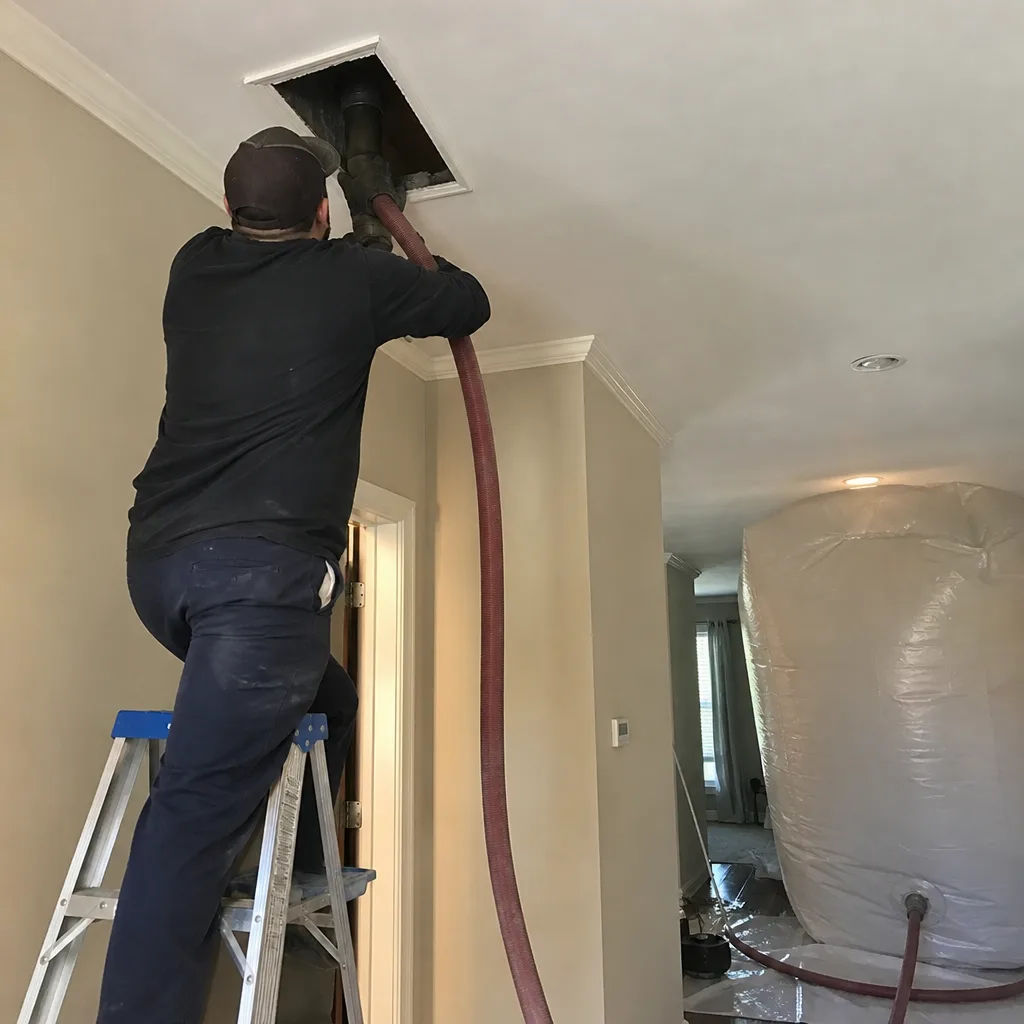
 Whole-home duct cleaning
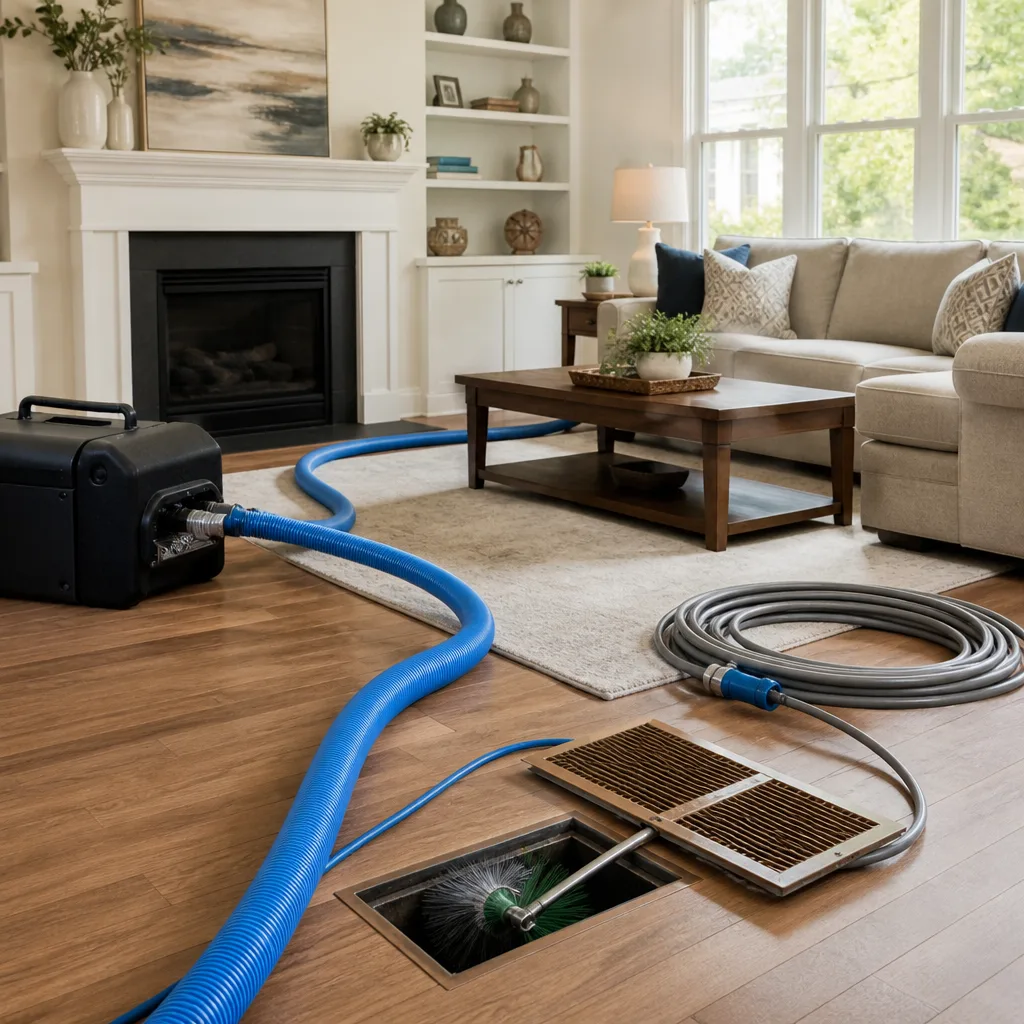
 Dryer vent cleaning
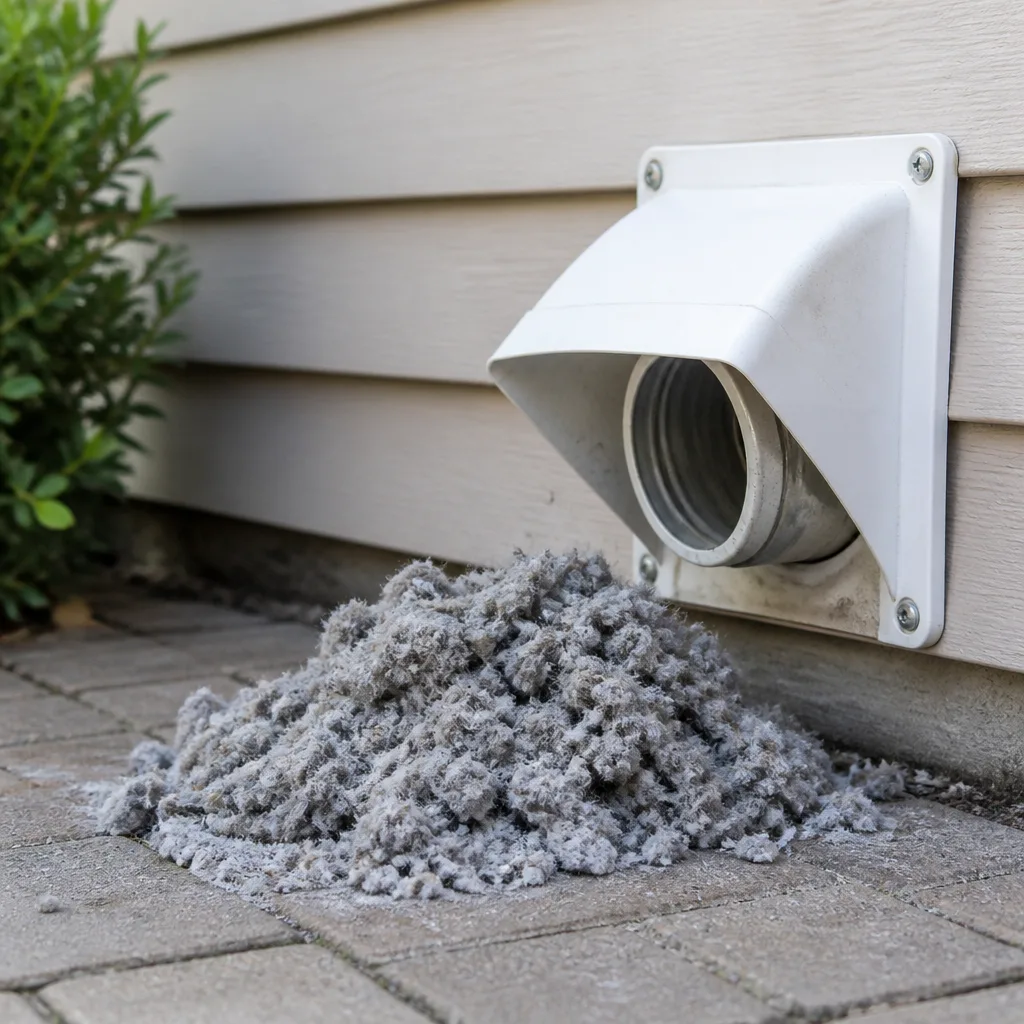
 Camera inspection
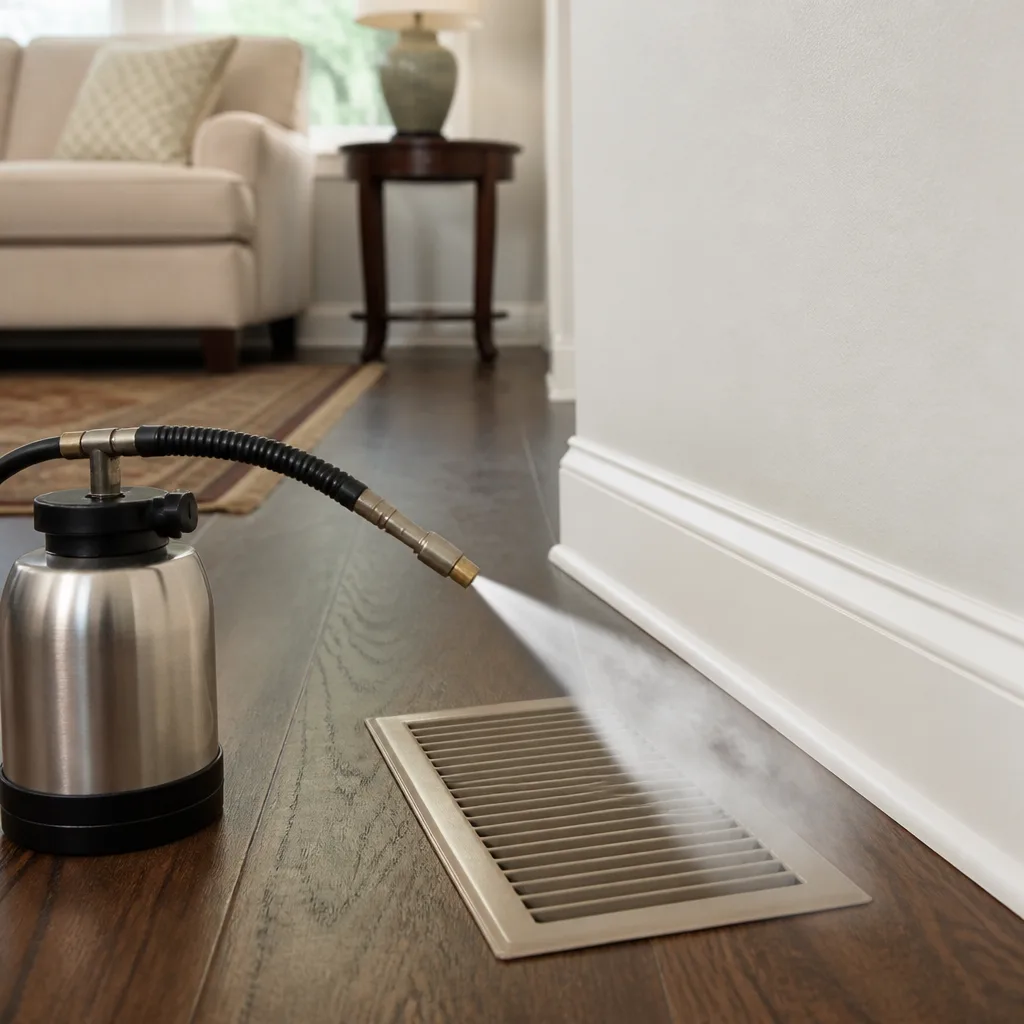 Sanitizing & deodorizing
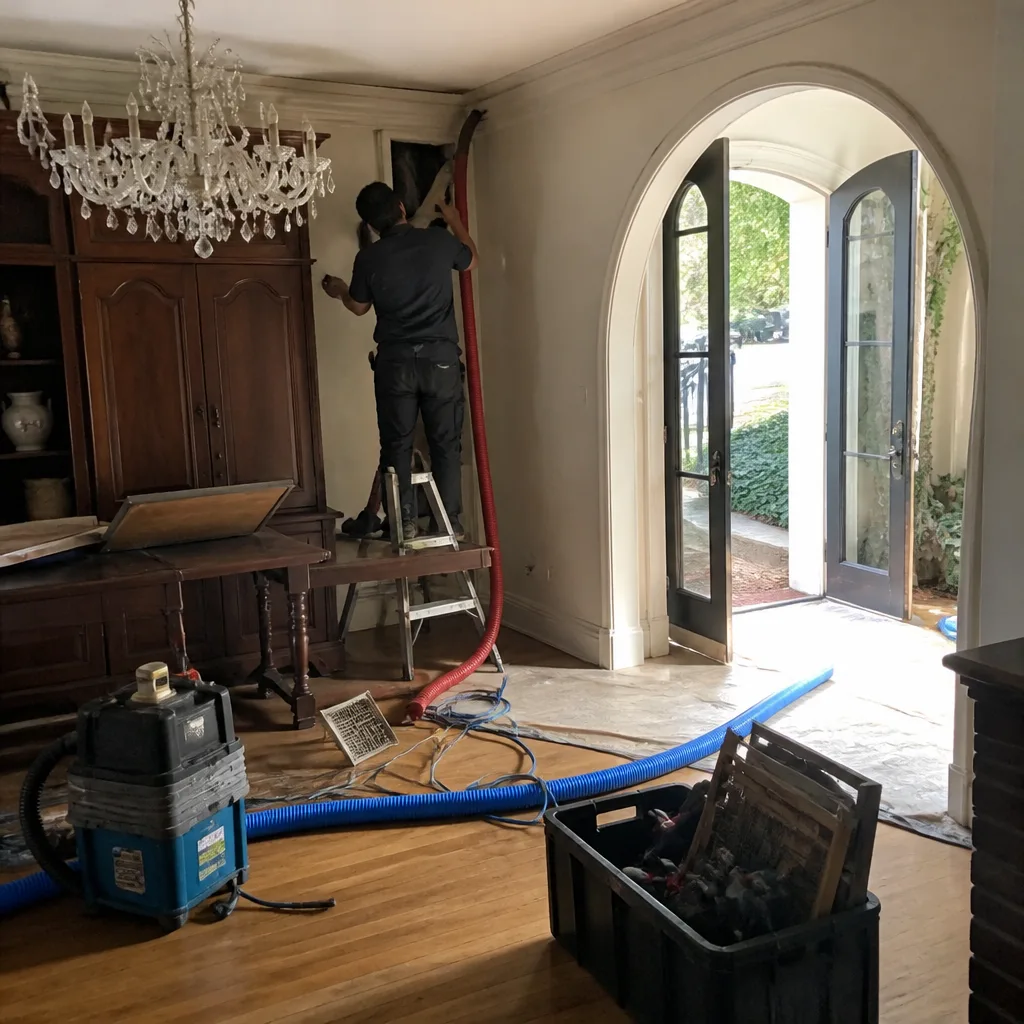
Whole-system duct and dryer vent check with before-and-after photos - you see exactly what came out of your vents
That "$99 whole-house special" is a bait ad - the real number appears once they are in your hallway, or the "clean" is a shop-vac at the register. We photograph the inside of your ducts before and after instead.
Seasonal Air Duct Cleaning Care for Buckhead: Year-Round Homeowner’s Guide
Most homeowners treat duct cleaning as a January ritual. That’s the backwards approach in Buckhead. The quietest month on the air-quality calendar, the one where your system sits idle and your ducts load up the least, is exactly when cleaning does the least good. You walk out of winter with a fresh system and march straight into the oak and pine pollen that blankets Buckhead yards from March through May with no buffer, no margin, and no plan for what comes next. This guide reframes the whole thing: Buckhead’s climate runs four distinct duct-stress seasons, and each one asks something different of your air system. What follows is a season-by-season playbook for what actually loads your ducts, what fails, what to check, and how to build a rolling 12-month calendar around Buckhead’s real climate events instead of generic national advice.
Quick Answer
The best time to professionally clean air ducts in Buckhead is in the narrow window just before pollen season, roughly late February to mid-March, paired with a fall inspection before the heating system fires up. A single annual cleaning works far better when it’s timed to Buckhead’s pollen calendar than when it’s timed to an arbitrary date.
Styles & brands we work with
- Whole-home duct cleaning
- Dryer vent cleaning
- Camera inspection
- Sanitizing & deodorizing
Table of Contents
- Why a single annual cleaning fails in Buckhead
- Spring: Buchhead’s pollen peak and pre-season prep
- Summer: humidity, condensation, and inspection points
- Fall: intake screens and return grilles before heat
- Winter: the first-run smell and when to call a pro
- Building a 12-month calendar tied to Buckhead’s climate
- The five services that cover your whole air system
- What a proper cleaning actually involves
Why a single annual cleaning fails in Buckhead
Buckhead’s air system doesn’t experience a flat year with one cleaning-worthy event. It experiences a cycle. Incoming air moves through your return grilles and ductwork at different loads and different temperatures across four seasons, and each season deposits something different. Spring brings pollen. Summer brings humidity and near-constant air-conditioning run time. Fall brings the debris of a season’s AC traffic and the first checks before heat returns. Winter is the low-stress period when the system runs intermittently and the ducts recover.
That cycle means a January cleaning lands at the wrong end. You clean after the recovery period and just before the loading event. The money is spent, the ducts are fresh, and within weeks the first pollen load arrives and starts refilling them. The result feels like cleaning is something you do regularly that never quite helps.
Three realities of Buckhead homes feed this pattern:
- High tree cover. Buckhead’s mature neighborhoods are dense with oaks and pines that release fine, sticky pollen every spring. Some of it enters the return system through window or door opening, some through returns left unfiltered, and some recirculates through the house on the air handler’s pull.
- Long cooling season. Air conditioners in Buckhead often run from spring into fall, pulling air through the system hundreds of hours at a stretch. That volume moves more particles past the filter than in a milder climate.
- Mixed-age housing stock. Buckhead includes homes from several building eras, from mid-century ranches to newer builds. Older duct systems have more seal failures and debris-holding fittings than newer, sealed runs.
Cleaning once a year is fine. Cleaning once a year at the wrong time is what costs you. The fix is simple: match the cleaning to the loading, not the calendar. Clean before the load, not after it. For the base method behind that cleaning, see our overview of Air Duct Cleaning Buckhead.
Spring: Buckhead’s pollen peak and pre-season prep
Spring is the single highest duct-loading period in Buckhead, and it starts earlier than most homeowners expect. Oak and pine pollen can begin releasing in late February and continue through May. Everything that lands inside the system stays put through the cooling season and re-circulates through the house on every AC cycle.
That’s why late winter is the strategic window. Cleaning in the last days of February or the first two weeks of March means you enter pollen season with empty, sealed ducts. Cleaning after pollen means you clean out a load that will simply re-enter the house for weeks.
Why Buckhead pollen loads the ducts so heavily
Pollen is not a coarse, filter-friendly particle. Oak and pine pollen is fine, light, and readily airborne. It settles into return grilles, sits on duct interiors, and mixes with the light dust and pet hair that most systems already hold. Once wet, pollen binds to surfaces. On return grilles and register blades, that sticky coat is exactly what you’ll see come May.
Pre-season prep you can do before the cleaning
- Inspect and replace your HVAC filter. Change it as pollen season begins and again mid-season if you live under heavy tree cover. A clogged filter forces dust past the filter into the ducts.
- Check return grille contact. Every return grille should sit flush and hold a filter where it’s designed to. A loose or missing return filter means unfiltered air pulls straight into the system.
- Note the visible dust in returns. A quick photo of a return grille just before cleaning gives you a before-reference. A professional visit with before-and-after photos of your own ducts is the verifiable version of this.
- Keep windows closed on high-pollen days. It sounds obvious, but a house with open windows on peak pollen days adds loading faster than any filter can catch.
- Book the cleaning before pollen starts. The home stretch of February is the ideal booking window.
Cleaning in that window is a genuine reset. It removes what the system holds, and the long cooling season that follows keeps the ducts working while the house stays pollen-free inside. Afterward, sealing and repair matter too – clean ducts stay clean when leaks are sealed.
Summer: humidity, condensation, and inspection points
Buckhead summers combine heat with sustained humidity, and that combination is the biggest single driver of duct damage in the region. When the air conditioner runs near-continuously in humid weather, cool air moves through duct surfaces that sit in warm, humid attic or crawlspace space. Wherever ducts leak or when insulation has failed, condensation can form.
Why condensation matters
Condensation itself isn’t the problem. The problem is what condensation does. Moist duct interiors collect dust and debris into a mat that sticks. Stuck debris holds more moisture. That becomes a substrate where microbial growth can take hold on the interior lining and around fittings. Left alone, it produces that musty, damp smell many Buckhead homes develop by late summer.
This is the difference between removing debris and actually sanitizing. Air Quality & Sanitizing addresses microbial growth and airborne contaminants directly, which basic duct cleaning skips. Rotobrush and Nikro equipment, the same platforms commercial HVAC and remediation contractors use, gives technicians the reach to clean duct interiors thoroughly rather than skim surfaces.
Inspection points worth checking in summer
- Insulated flex duct runs in the attic. Look for sagging, splits, or spots where the outer jacket is torn away from the inner liner. Any of these invites condensation.
- Duct boots at ceiling registers. The connection where the duct meets the ceiling grid is a common leak point. Feel for cool air escaping with the system running.
- Drain pans and condensate lines. Not ducts, but close enough to cause trouble if they overflow or back up near ductwork.
- Return air cavities. In many Buckhead homes, return air travels through panned joists or wall cavities rather than actual ducts. Those cavities can trap moisture and debris.
If any inspection point shows a musty smell, visible moisture, or debris buildup, that warrants a professional visit. For the base cleaning piece, our air duct cleaning page covers how a full job proceeds. And because summer is the peak season for the air system, this is also the time to schedule HVAC cleaning so the air handler and coil are cleaned alongside the ductwork they work with.
Fall: intake screens and return grilles before heat
Fall is quietly the best inspection season in Buckhead. The cooling system winds down, the heating system hasn’t fired yet, and the house is in its only neutral stretch. That makes it the ideal time to look at the intake side of your air system before any heating demand returns.
What to check before heating season
- Exterior intake screens. Many homes have a fresh-air intake or combustion-air inlet on an exterior wall. Fall debris, leaves, and insect activity can block these. A blocked intake starves the system of air or drags extra debris in.
- Return grilles throughout the house. Remove each return grille, look at the filter (if fitted), and check for visible dust buildup on the grille frame and the cavity behind it.
- Supply registers and diffusers. Check for streaks of dust on register blades. Streaking in early fall means the ducts are already dirty going into heating season.
- Filter condition in the air handler. Before the furnace or heat pump takes over, the filter should be clean. Heating season is longer on filter life than you expect, so start fresh.
- Note any cold spots or weak airflow. These may point to leaking ducts. Fall is the best time to repair and seal – with a full season of heating in front of you, a repair visit pays off all winter.
Why return grille checks matter most
A return grille is where unfiltered air enters the system. If the filter at the air handler is the only filter, that return grille is passing whatever the house holds straight to the blower and the ducts. Removing and cleaning that grille periodically, and confirming the air handler filter is in good shape, is the highest-leverage fall check most homeowners can make.
Fall is also when duct repair and sealing should be scheduled if any obvious seam splits or disconnected runs show up. Fixing a leak in fall means heating money goes into the house, not the attic, all winter. That repair is part of the same visit when we handle your ducts, and it’s a big reason our five-service scope matters for Buckhead homes.
Winter: the first-run smell and when to call a pro
Every winter, orders of Buckhead homes hit the “burning dust” smell on the first heating cycle. It is almost always harmless. And sometimes it isn’t. Here’s the honest distinction.
What the first-run smell usually is
A faint, toasty, dusty smell on the first few heating start-ups is normal. It’s dust that settled on the heat exchanger over the idle months, and it burns off in a short time. The smell appears because the furnace spent months off while dust continued to settle into the system. If it fades after the first few cycles and never returns, it’s the standard first-run signature most homes produce.
When the smell warrants a professional inspection
One rule separates the two: the smell that stays. A persistent burning smell, a plastic or electrical smell, or an odor that returns every time the heat comes on is not a ventilation issue worth watching. It’s a signal to shut the system down and call for a professional inspection. The same goes for a musty smell, a visible smoking exhaust, or any repeated cycle of trouble.
A safety note in plain terms: heating equipment carries real hazard. Gas connections, the heat exchanger, and the combustion path are not homeowner-serviceable parts. If you smell gas, get out and call your gas provider. For burning smells that persist or any unusual smell near the furnace, have a trained professional inspect the system before you run it again.
Why winter cleaning is often too late
Winter is the low-load season. The furnace runs less, the house is closed, and the ducts aren’t actively gathering new debris. A cleaning in January or February does its job but leaves the system with no buffer ahead of pollen season. If you’re scheduling a cleaning at all, do it in winter’s last weeks, before spring, and pair it with the spring prep above.
Winter housekeeping that helps
- Change the filter at the start of heating season and midway through.
- Check for gaps at the return plenum and filter door.
- Have a professional inspect the heat exchanger if the system is aging or the smell persists.
- Watch for soot streaks, discoloration, or moisture near the furnace.
Winter also keeps the dryer side of things in view. Lint accumulates year-round, and the dryer vent is a separate safety system with its own maintenance needs. Our dryer vent cleaning page explains what a professional vent cleaning covers; it’s a fast, focused safety check that pairs naturally with a winter air-system visit.
Building a 12-month calendar tied to Buckhead’s climate
A single annual cleaning on the same page as your car-service schedule does nothing for Buckhead’s four-season pattern. A rolling 12-month calendar built around what actually happens to your air system does. Here is the calendar we recommend to Buckhead homeowners, timed to the local climate rather than a national average.
- Late February: pre-pollen cleaning. Book before pollen season starts. Clean the ducts, replace the filters, inspect the return grilles, and give the cooling system a clean slate before heavy HVAC run time begins.
- March through May: pollen management. Change filters mid-season if you live under heavy tree cover. Keep windows closed on high-pollen days. Watch for visible dust at registers.
- June: summer readiness check. Inspect attic flex duct for condensation, check returns for musty odors, and confirm the cooling system is pulling properly filtered air.
- July through August: airborne contaminant watch. This is the humidity peak. Any persistent musty smell means it’s time for a professional visit. Air Quality & Sanitizing addresses microbial growth while it’s a small problem.
- September: fall inspection. Check exterior intake screens, remove and clean return grilles, confirm the air handler filter is fresh.
- October: repair and seal if needed. Fall is the season for duct repair and sealing before heating begins. Sealed ducts hold the heat you’re paying for.
- November: heating season start. Change the filter, clean the register blades, and do a first heating test run to catch any early issues.
- December through January: low-stress months. The system is quiet. Use this window for any non-urgent service scheduling, and plan the pre-pollen cleaning for February.
Two visits per year – one before pollen season, one before heating season – hit the two highest-stress points in the cycle. Everything else on the list is homeowner-friendly upkeep. A full professional cleaning usually lands closer to once a year unless you live in a high-dander home (pets, allergies, smokers) or under unusually dense pollen cover.
How the calendar adapts to your home
The template above assumes a typical Buckhead single-family home. Adjustments worth making:
- Pets: Add a mid-season filter change and consider moving to cleaning twice a year.
- Allergy-sensitive household: Lead with pre-pollen cleaning and add an Air Quality visit in mid-summer.
- Older duct systems: Have ducts inspected for leaks in fall before winter, and repair rather than delay.
- Long cooling seasons: Homes that run AC nearly year-round should treat spring as the main cleaning and fall as the inspection window.
A calendar that lives in your head expires. Put the two cleaning dates in your phone in February and September, and let the rest of the list run as a home checkup you repeat every year.
The five services that cover your whole air system
Duct cleaning solves one layer of a connected system. In Buckhead homes, that system has five distinct parts, and each one operates on its own timeline. Treating them as five separate service categories with separate owners is how most homes end up with clean ducts, a dirty dryer vent, and a leaking flex line they never noticed.
We cover all five because they belong together:
- Air Duct Cleaning. The core service, removing debris from supply and return ducts. Rotobrush and Nikro equipment handles interior surfaces a shop vacuum can’t reach.
- Dryer Vent Cleaning. Lint accumulates fast and is a leading cause of residential fires. This is a standalone safety service and worth scheduling on its own.
- HVAC Cleaning. The air handler, blower, and coil sit at the heart of the system. Cleaning them alongside the ducts is how the system stays efficient through summer run time.
- Air Quality & Sanitizing. Microbial growth and airborne contaminants need more than debris removal. Honeywell and Aprilaire products let us recommend and install filtration and air-quality upgrades during the same visit.
- Duct Repair & Sealing. Clean ducts stay clean when leaks are sealed. We handle repair and sealing in the same visit rather than referring it out, so a leak found during cleaning is fixed then and there.
Why the combination matters more than the list
In a Buckhead home, a leaky return in the attic is a duct issue. It’s also an indoor-air-quality issue, a heating efficiency issue, and a condensation risk during humid months. A duct cleaner who doesn’t seal it leaves the next visit to find the same problem. A single service mix means the whole air-movement path is handled together. Abatement Technologies containment equipment lets technicians manage debris and contaminants on-site during the visit, and Guardsman components help keep the system’s integrity through the repair.
If you want to see the whole picture clearly, our air duct cleaning page and the HVAC cleaning page show how the two most-used services fit together. For the dryer vent side, see the dryer vent cleaning page. All five run from the same team, so the responsibility for seeing your system whole doesn’t bounce between contractors.
What a proper cleaning actually involves
A real duct cleaning is not a shop-vac pass over the registers. It’s a controlled process that removes debris from the entire duct path while keeping the house clean and giving you verifiable proof of what was done.
- Inspection. The technician reviews the layout of your ducts, checks the air handler and filter, and notes any obvious damage or leaks.
- Containment and setup. Containment equipment keeps debris and air from spreading through the house while work is under way.
- Cleaning. Rotobrush and Nikro equipment agitates and vacuums duct interior surfaces, including supply and return runs.
- Air handler and coil. Where included in the service, the blower and coil get cleaned. A dirty coil can undo everything else.
- Sanitizing (where needed). Air Quality & Sanitizing addresses microbial growth and residual organic material so the cleaning isn’t only a debris pass.
- Repair and seal. Loose joints, disconnected runs, and seam splits are identified and sealed in the same visit.
- Before-and-after photos. A verifiable job means you see the ducts before and after, not just a promise that work was done.
One flat price per system agreed before work starts is the best protection against the industry’s oldest trick, the low teaser price that grows once the technician is on site. We don’t price per vent. We don’t quote a coupon figure. What you get is one number for the system, agreed in advance, with a written estimate that sets the final price. The local pro is licensed and insured as their state requires, and the estimate itself is free.
Common Mistakes to Avoid
- Cleaning at the wrong time of year. January cleaning leaves a system that re-contaminates fast. Buckhead’s pollen season is the dominant loading event, so cleaning before it (late February) is the better strategy.
- Ignoring return grilles and screens. Tackling the supply side and skipping the return side misses where most unfiltered air gets in. Fall checks on return grilles and exterior screens catch it.
- Choosing a per-vent price over a per-system one. Per-vent pricing makes it hard to know what a proper job costs until the invoice arrives. A flat per-system price set before work starts is the honest comparison.
- Skipping sealing and repair. A cleaning without sealing leaves the same leaks pulling in the same debris. Clean ducts stay clean when leaks are sealed.
- Assuming first-run furnace smell is harmless without checking. A faint first-run smell is normal. A persistent or chemical smell deserves a professional inspection, not patience.
- Not checking for condensation in summer. Attic duct condensation in humid Buckhead summers is a common cause of musty smells. Catching it in June is easier than fixing it in August.
- Cleaning one service and never looking at the rest. Ducts, dryer vent, HVAC, and air quality all interact. A home that cleans only the ducts and never checks the dryer vent is missing a safety concern that runs parallel.
See the difference
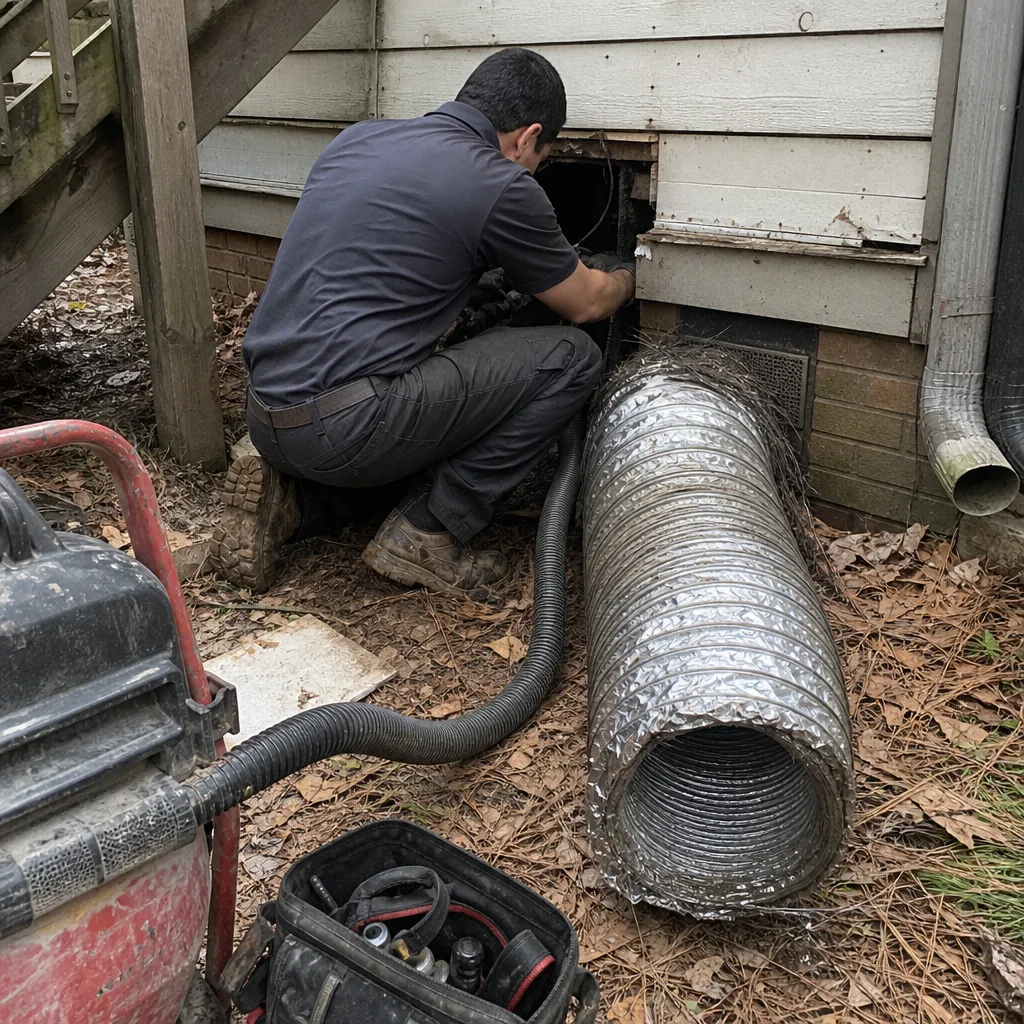 Before
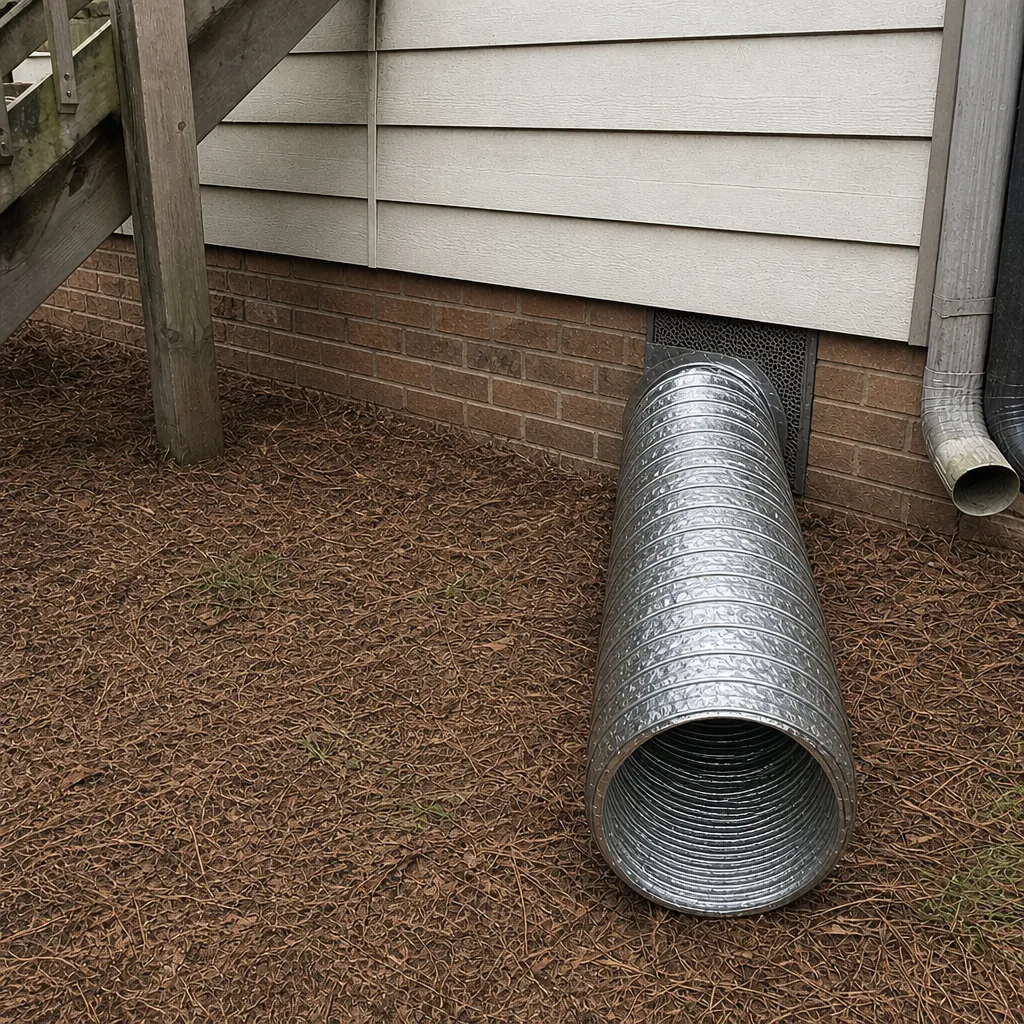 After
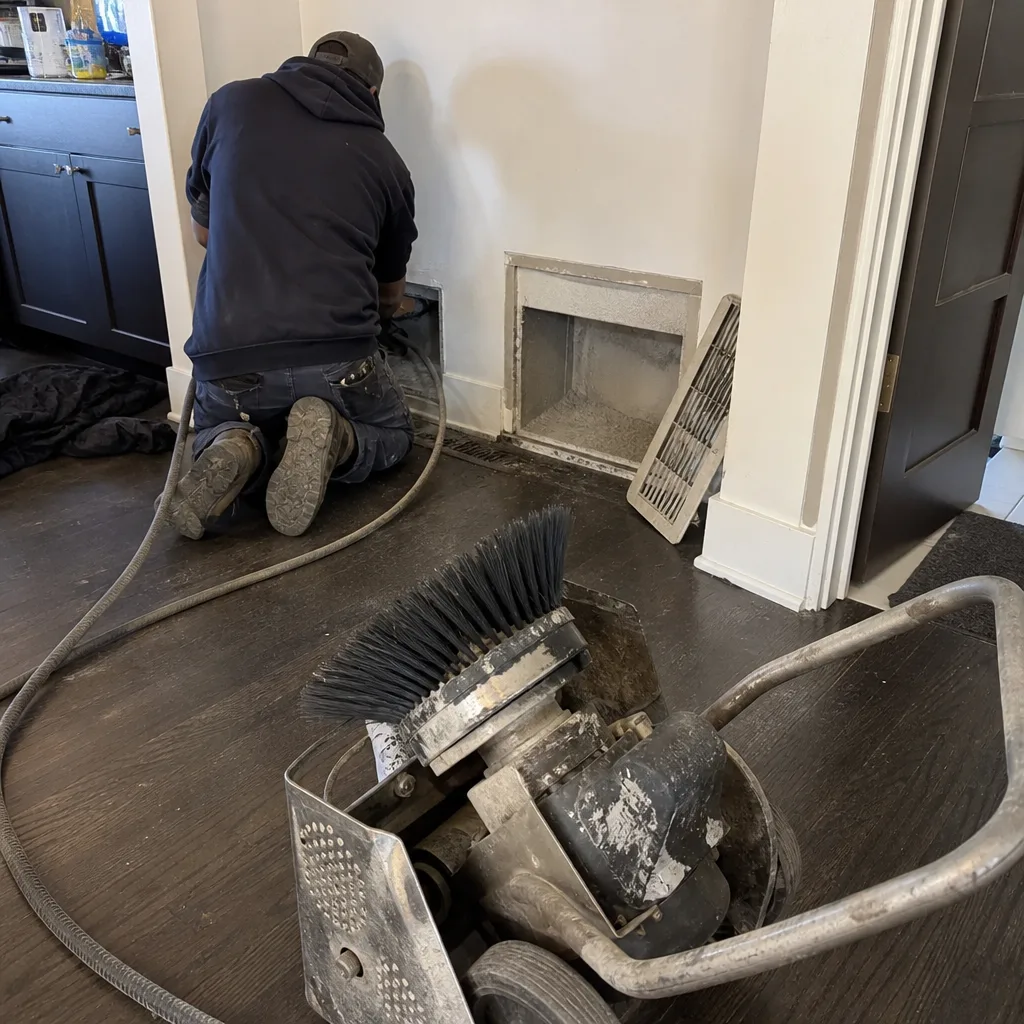 Before
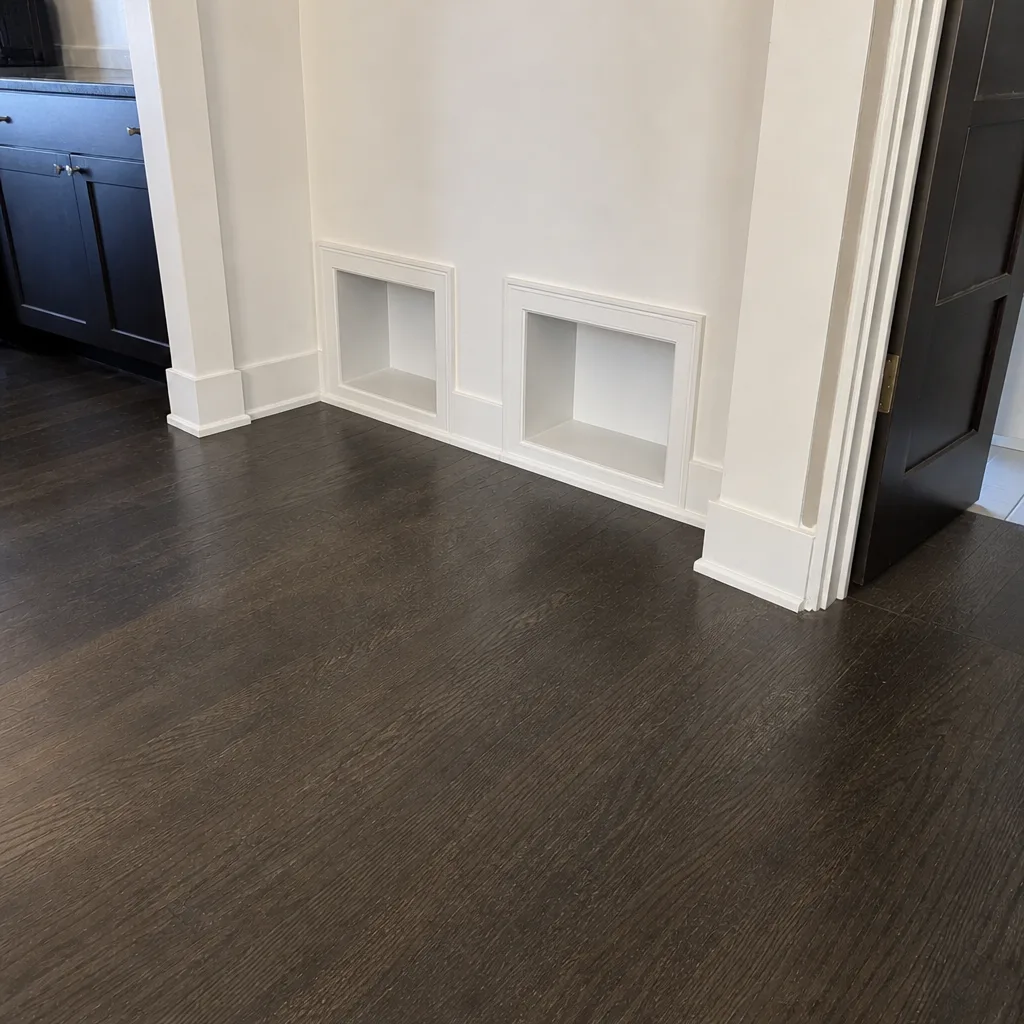 After
 Before
 After
When to Call a Professional
Some seasonal checks are homeowner tasks. Others are calls for a professional with the right equipment and containment. The clearest triggers:
- Faint furnace first-run smell that doesn’t fade after a few cycles, or any burning, plastic, or electrical smell at all.
- Persistent musty smell from registers or returns through summer.
- Visible dust streaks at supply registers or heavy dust in return grilles soon after cleaning.
- Sagging or torn attic duct insulation, or cold air escaping at ceiling boots.
- Anyone in the household with seasonal allergies that seem worse indoors than outdoors.
- No visible duct maintenance on record for a recently purchased home.
We offer free estimates for Buckhead homeowners. Air Duct Cleaning Buckhead covers the full range of services – ducts, dryer vents, HVAC, air-quality, and repair – so a professional visit addresses the whole system, not one panel of it. Call (844) 443-4682 for a free estimate. We answer 24/7. Fast dispatch from 7am to 7pm, Sunday through Friday.
Frequently Asked Questions
Once a year is enough for most Buckhead homes, if the cleaning is timed before pollen season. Homes with pets, allergy-sensitive residents, or heavy tree cover can benefit from twice a year. The key is timing the cleaning to the loading event rather than a fixed date on the calendar. Call (844) 443-4682 for an exact quote; estimates are free.
Spring cleaning is the higher-impact choice, but the window is earlier than most homeowners expect. Late February or the first two weeks of March gets you ahead of the oak and pine pollen load. Fall is the better time for inspection and sealing before heating season starts. Call (844) 443-4682 for an exact quote; estimates are free.
Musty odors in summer usually come from moisture or microbial growth inside ductwork or on the coil. Buckhead’s humidity is the main driver, as cool air moving through warm attic ducts can form condensation where insulation has failed or seams leak. Air Quality & Sanitizing addresses the microbial side, and a professional inspection pinpoints the moisture source. Call (844) 443-4682 for an exact quote; estimates are free.
A faint burning-dust smell on the first few heating cycles is normal and fades quickly. A persistent or chemical smell is not and needs a professional inspection before the system runs again. A gas smell is a different matter – leave the house and call your gas provider.
Air duct cleaning in Buckhead is priced per system, not per vent, and the exact number is set by a written estimate after a walk-through. The cheapest quotes usually come from per-vent pricing and add charges on site. One flat price per system agreed before work starts is the honest comparison to ask for. Call (844) 443-4682 for an exact quote; estimates are free.
A proper job includes before-and-after photos of your own ducts and a clear walk-through of what was cleaned, sealed, and repaired. Ask for photos and a written summary. If a company can’t show you the ducts before and after, that’s the answer to how verifiable the work is. Call (844) 443-4682 for an exact quote; estimates are free.
Yes. Duct leaks pull unfiltered attic or crawlspace air into the system and waste conditioned air. Sealing those leaks is what makes a cleaning last, and it also supports heating and cooling efficiency. That’s why we handle repair and sealing in the same visit rather than leaving it for a separate contractor. Call (844) 443-4682 for an exact quote; estimates are free.
The Bottom Line
Buckhead’s air system runs on a four-season cycle, and the right homeowner response is different in each one. Spring needs pre-pollen cleaning in late February. Summer needs humidity and condensation checks. Fall needs exterior screens and return grilles inspected before the furnace fires. Winter needs a careful eye on the first-run smell. A calendar tied to those real events – one cleaning before pollen, one inspection before heat – does more good than a single annual cleaning at an arbitrary date. If you want the whole system looked at by one team, call (844) 443-4682 for a free estimate. We answer 24/7. Fast dispatch from 7am to 7pm, Sunday through Friday.
Written by the team at Air Duct Cleaning Buckhead.