
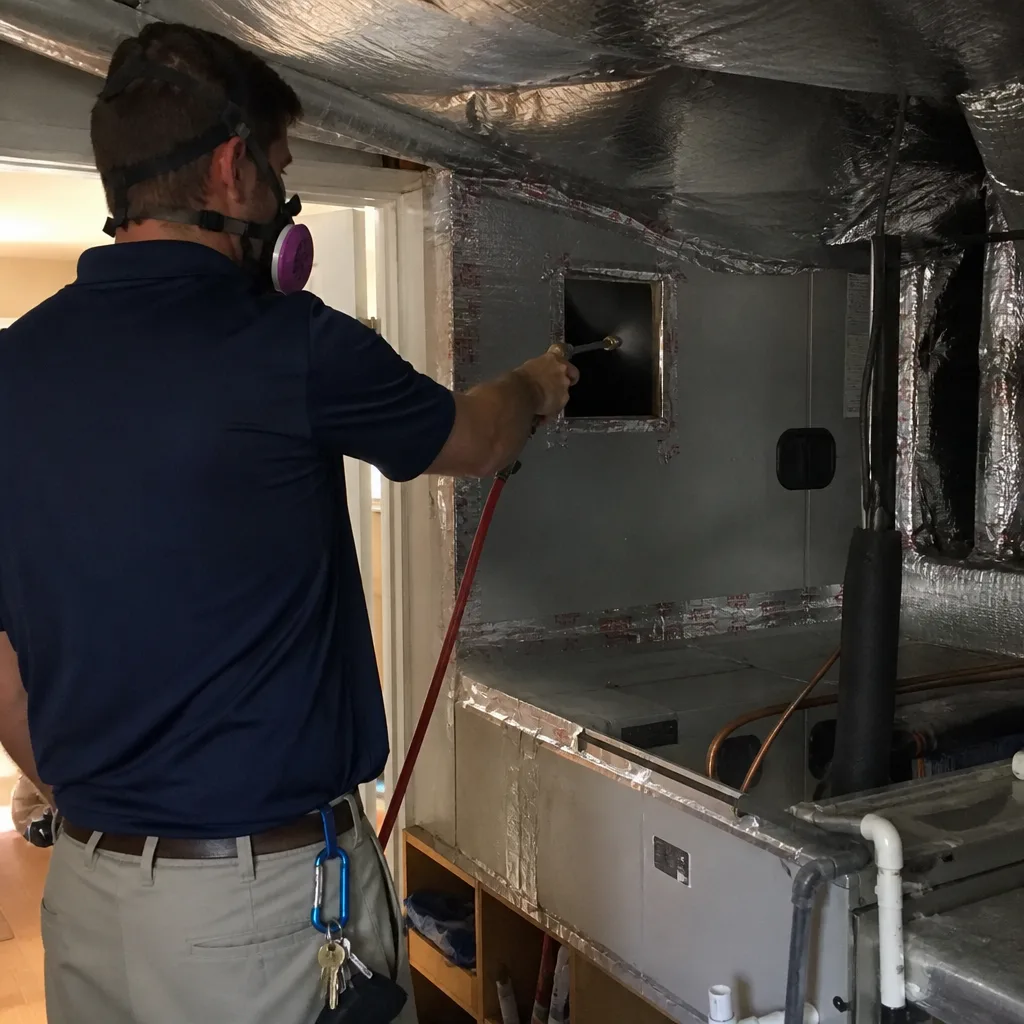
Last updated November 25, 2026
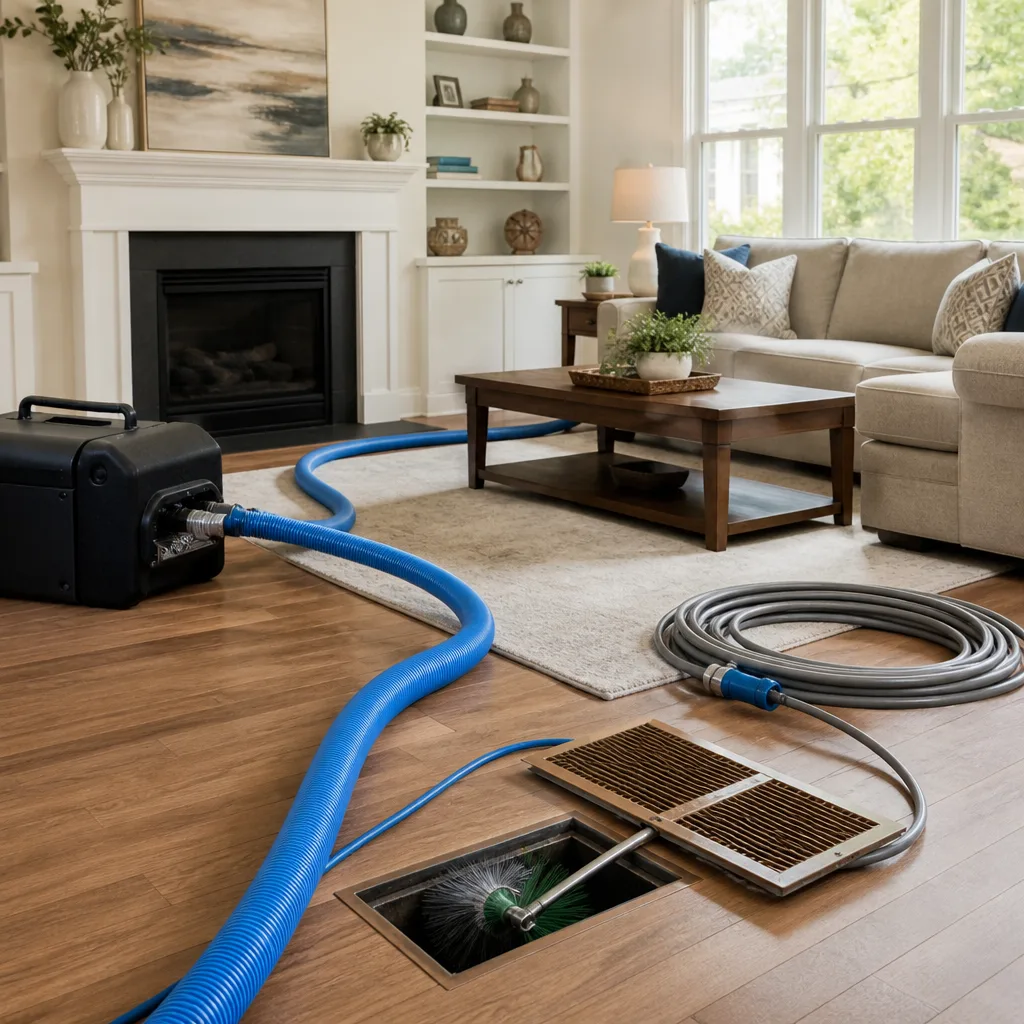 Whole-home duct cleaning
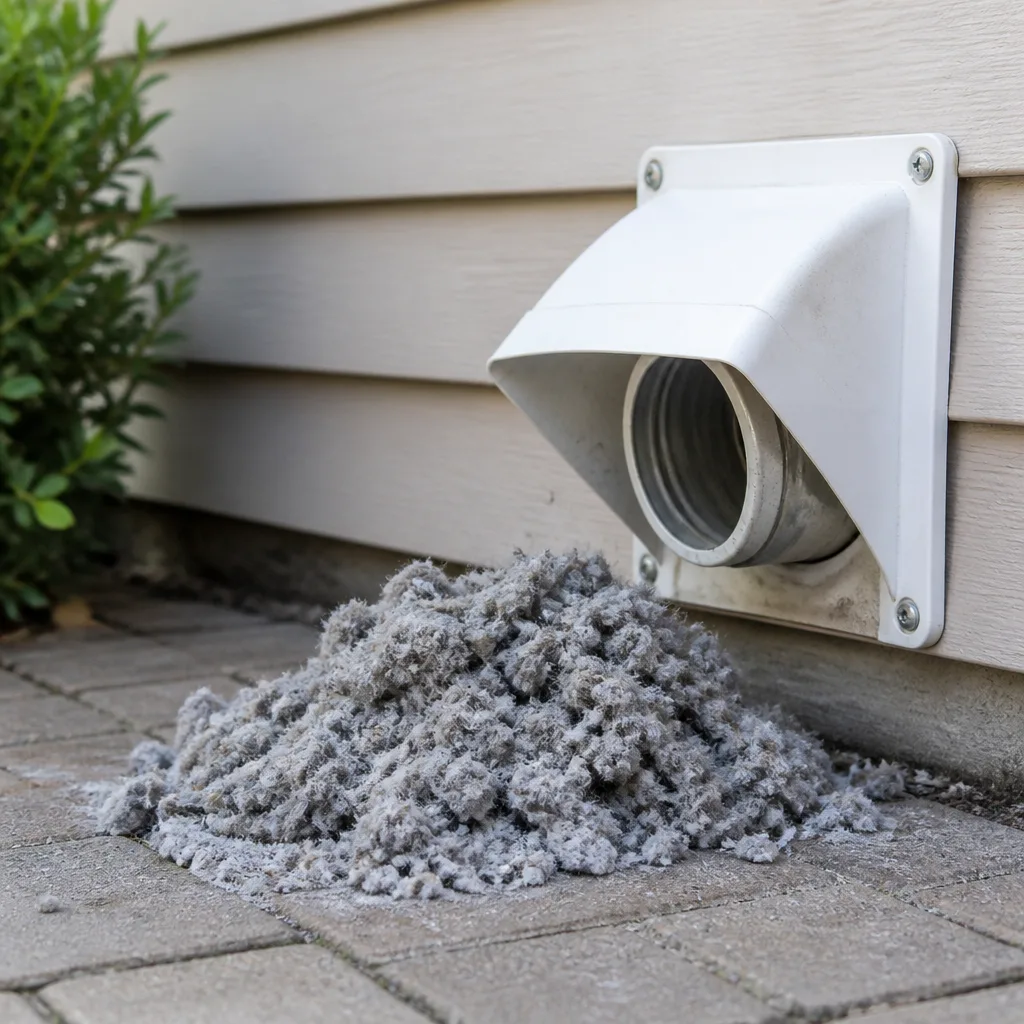 Dryer vent cleaning
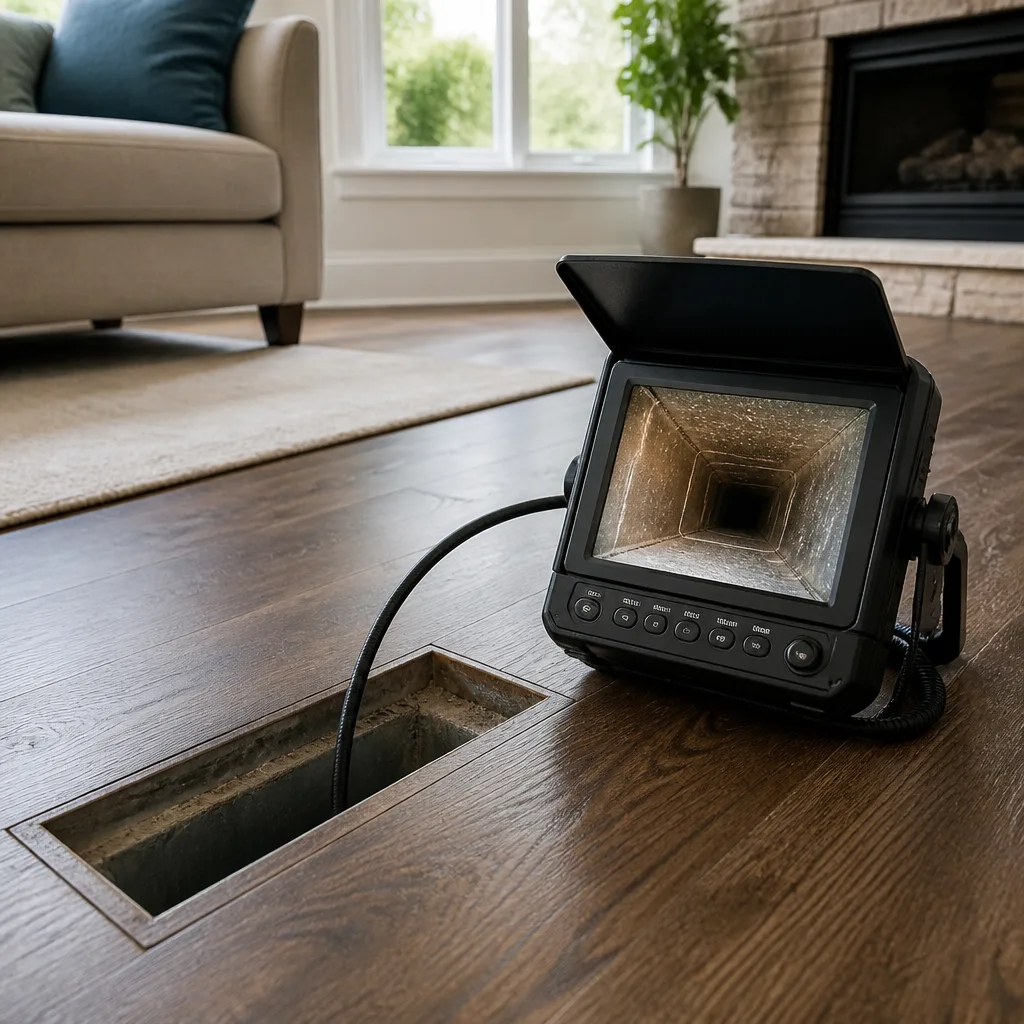 Camera inspection
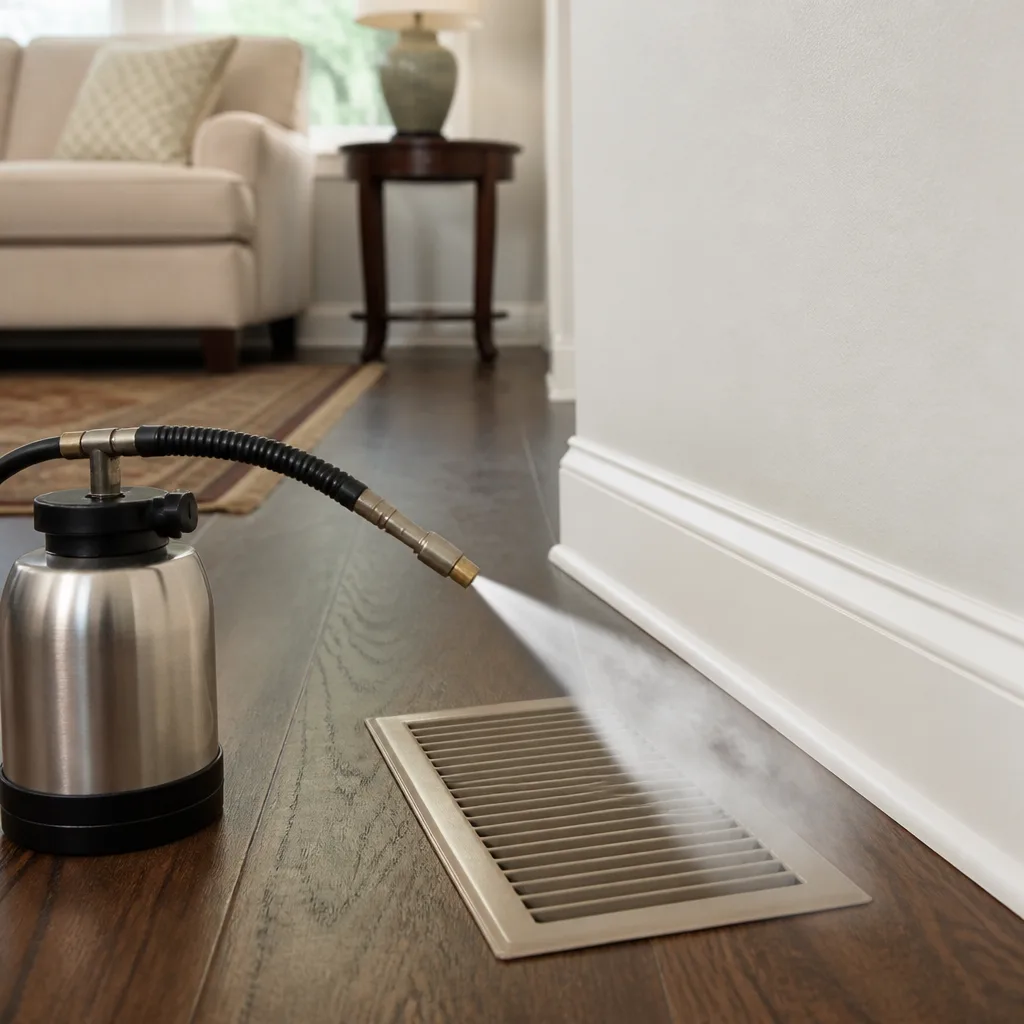 Sanitizing & deodorizing
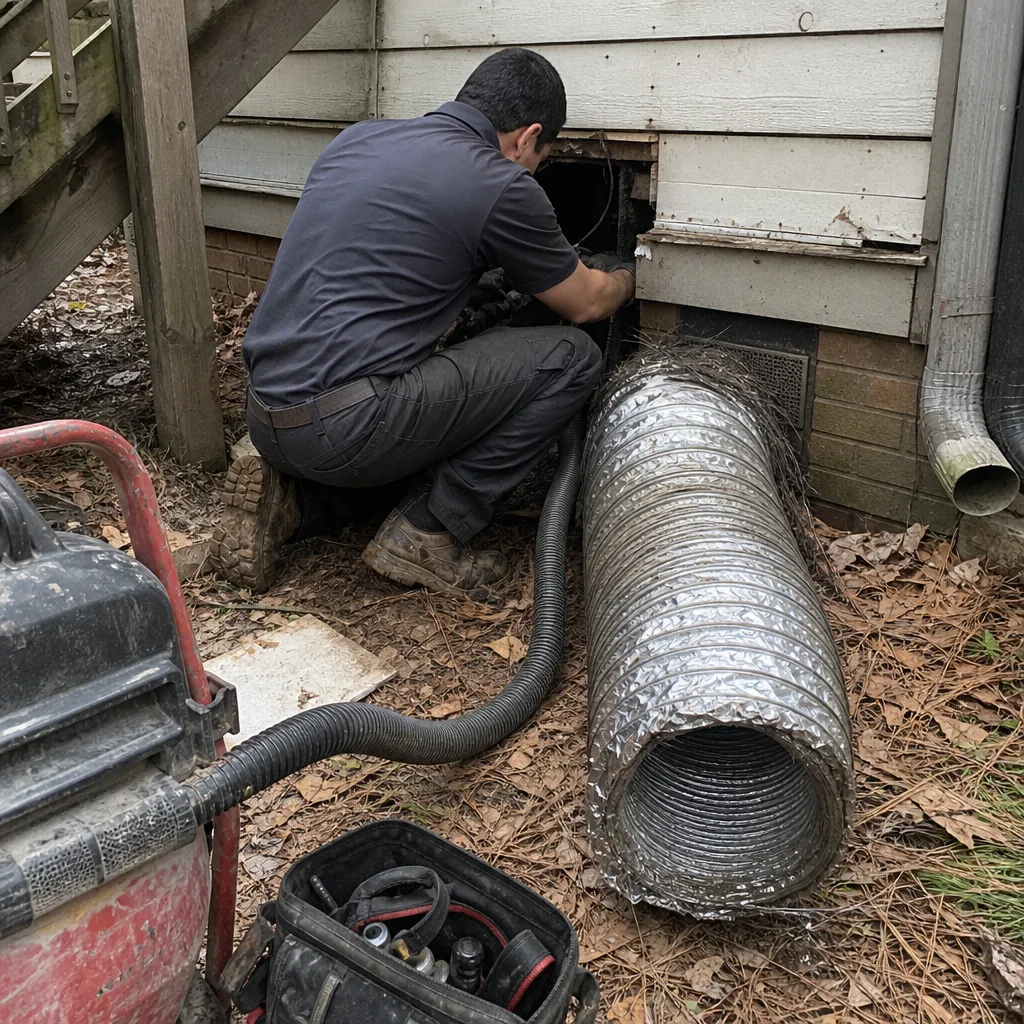
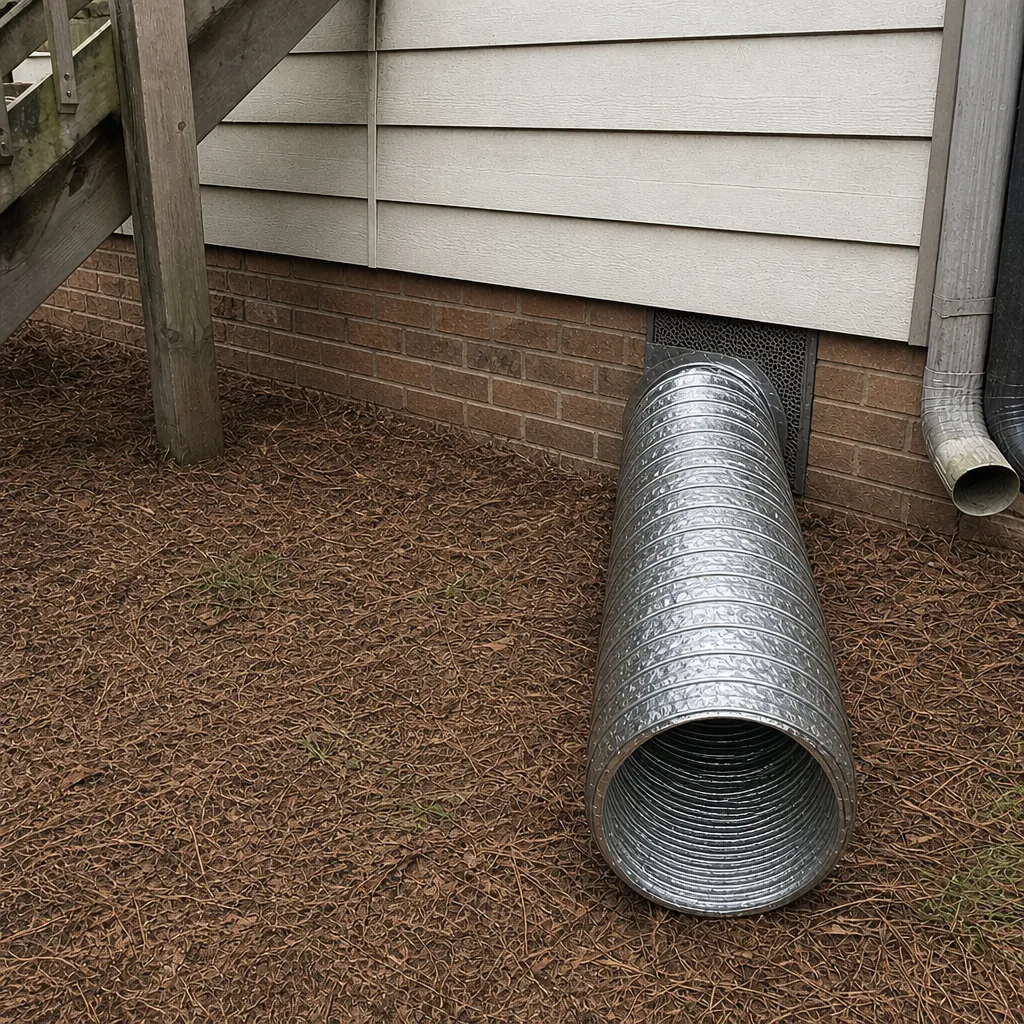
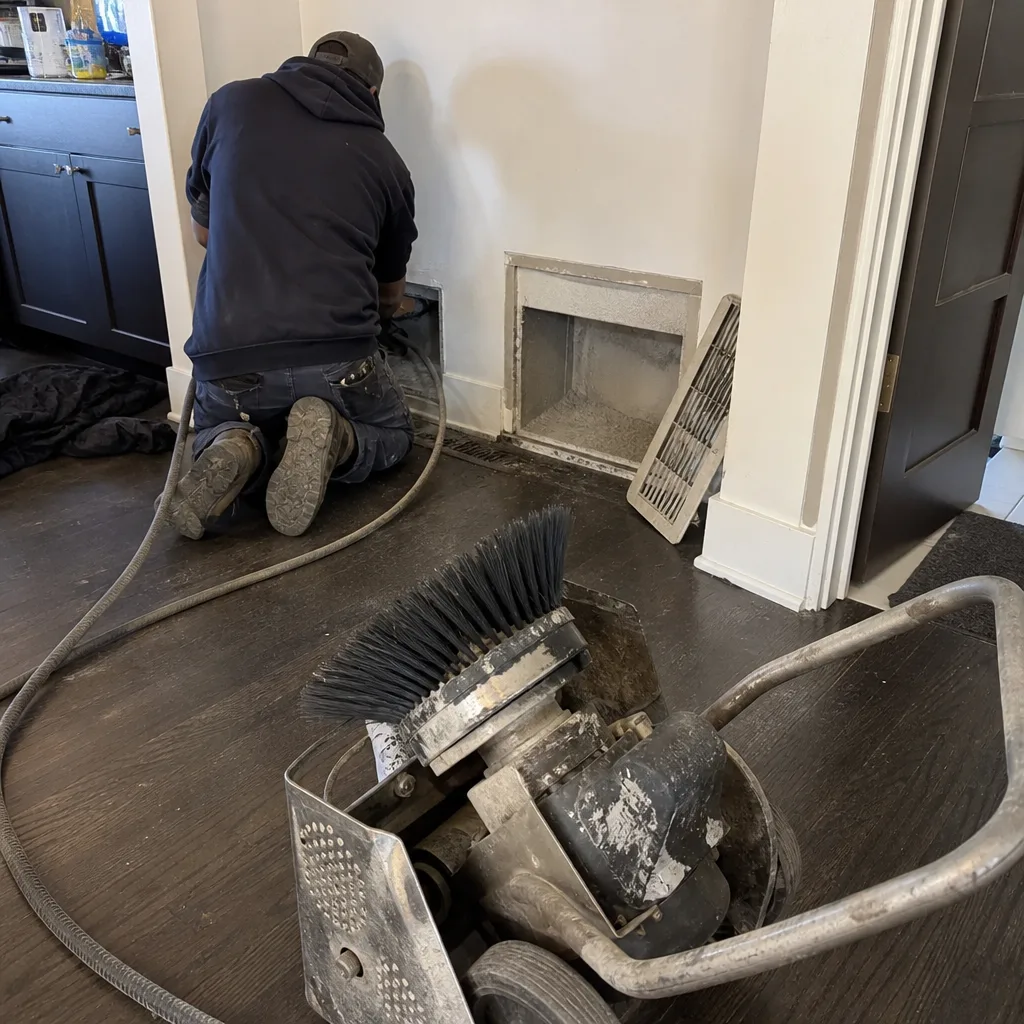
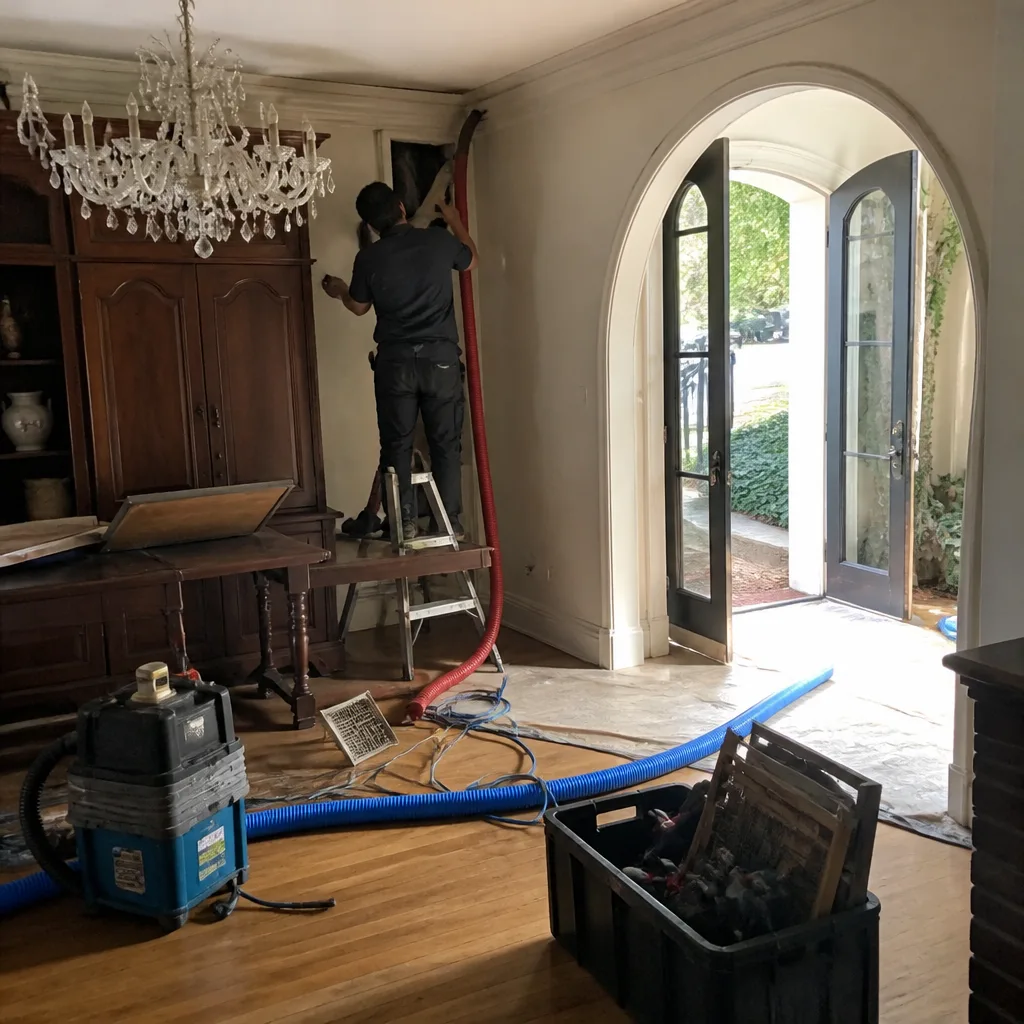
Whole-system duct and dryer vent check with before-and-after photos - you see exactly what came out of your vents
That "$99 whole-house special" is a bait ad - the real number appears once they are in your hallway, or the "clean" is a shop-vac at the register. We photograph the inside of your ducts before and after instead.
Choosing the Right Air Duct Cleaning Brand: A Buyer’s Guide for Buckhead
Two companies can both advertise “professional air duct cleaning” in Buckhead while running equipment with a tenfold difference in airflow capacity. And the one with the better truck wrap isn’t necessarily the one with the better machine. That’s the uncomfortable truth about this trade: the words on the side of the van tell you almost nothing about what happens inside your ductwork. What actually determines whether your ducts come out genuinely clean is the equipment, the containment method, and whether the crew can show you specs before you book. This guide teaches you how to evaluate all three, so you can judge a Buckhead duct cleaning company by what it runs, not what it claims.
Quick Answer
The right air duct cleaning brand for a Buckhead home is the one that uses commercial-grade equipment (Rotobrush, Nikro, or commercial HEPA units), includes duct repair and sealing in scope, and will show you equipment specifications before you book. A recognizable logo means far less than a source-capture vacuum rated for the job and a technician who can explain CFM and filtration in plain terms.
Styles & brands we work with
- Whole-home duct cleaning
- Dryer vent cleaning
- Camera inspection
- Sanitizing & deodorizing
Table of Contents
- The Three Equipment Categories and What Each Can Do
- Equipment Brands HVAC Professionals Trust vs. Startup Brands
- What to Ask Before You Book
- The Specs That Actually Matter: CFM and Filtration
- What “Commercial-Grade” Really Means in a Spec Sheet
- Why Sanitizing Is a Second Step, Not a First One
- Why Duct Repair and Sealing Make or Break the Cleaning
- Buckhead-Specific Context: Climate, Housing, and Market
The Three Equipment Categories and What Each Can Do
Air duct cleaning equipment falls into three broad categories, and the category a company works in tells you more about the visit than any marketing claim. This is the single most useful piece of knowledge a Buckhead homeowner can carry into a quote call.
- Portable cleaning units. These are the compact machines many single-service operators bring in through the front door. They can agitate and pull debris from accessible runs, but airflow volume and static pressure are limited. In a larger Buckhead home with long trunk lines and multiple returns, a portable unit often can’t move enough air to carry heavy debris all the way back to the collection point.
- Truck-mounted systems. Higher airflow, more consistent vacuum, and typically better suited to whole-house work. The vacuum stays outside, connected by hose, and the machine’s capacity does more of the heavy lifting. These are common among established residential duct cleaning operations.
- Commercial HEPA negative-air machines. The category specified by remediation and commercial HVAC contractors. These units combine high filtration with true containment, meaning dislodged particles are captured rather than redistributed into the room. For homes with allergy concerns or visible microbial growth, this category matters most.
When you’re comparing quotes in Buckhead, ask which category the crew will actually use. If a quote is dramatically lower than the rest, the answer is usually the first category, and the machine’s limits explain the gap.
One more category worth knowing: the containment equipment that surrounds the work area. air duct cleaning done without controls can scatter dust through the room while the machine runs. Abatement Technologies equipment exists precisely because containment is its own discipline, not an afterthought.
Equipment Brands HVAC Professionals Trust vs. Startup Brands
Equipment brand is a better proxy for quality than company brand, and this is where a knowledgeable Buckhead buyer gains an edge. Some equipment names show up repeatedly on commercial HVAC job sites. Others are marketed mainly to people starting a cleaning business and looking for a low entry cost.
The names professionals recognize:
- Rotobrush. Branching, rotary agitation combined with vacuum capture. Widely used across residential and light commercial work and specified by contractors who value repeatability.
- Nikro. A commercial-grade platform with a reputation for robust vacuum and filtration components. Seen in remediation and industrial cleaning contexts.
- Abatement Technologies. Negative-air and HEPA containment equipment. The point is capturing contaminants, not just moving air.
- Honeywell and Aprilaire. Filtration and air-quality component brands. When a technician can recommend and install these, it signals alignment with manufacturers that set residential air-quality expectations.
Here’s the test: when you ask a Buckhead company what equipment it uses, does the answer come with a category and a reason, or just a brand name? A technician who says “we run Rotobrush with a commercial HEPA backup for heavy jobs, because the rotary head handles the caked-on debris and the HEPA unit contains the fine particulate” is describing a real workflow. A company that can only say “professional equipment” is telling you nothing.
In our experience, the equipment conversation is also a window into how a company thinks about your air system as a whole. Companies that treat ducts, vents, and HVAC as one connected system usually bring the right tool for each stage, not one machine for every problem.
What to Ask Before You Book
You don’t need to become an equipment expert to hire well. You need to ask the right questions and listen for concrete answers. Here’s a numbered sequence you can run through in a single phone call.
- “What equipment category will you bring?” Portable, truck-mounted, or HEPA negative-air. Any answer that skips the category is a red flag.
- “What’s the airflow capacity?” Ask for CFM, the cubic feet per minute figure. A real answer comes with a number or a clear reason it matters; a vague answer doesn’t.
- “What filtration rating does your vacuum use?” The unit should capture fine particulate, not just the big stuff.
- “Will you show me the equipment when you arrive?” A professional has nothing to hide and will happily open the machine.
- “Do you repair and seal ducts, or refer that out?” Referral means a second company and a second visit.
- “Can I see before-and-after photos of my own ducts?” The photos should be of your home, taken during your visit, not a stock set.
- “Is the price one flat price per system, agreed before work starts?” This is the single best defense against the bait-and-switch that gives the trade a bad name.
Ask these in Buckhead and you’ll quickly separate the crews that run real equipment from the ones that show up with a shop vac and a coupon. Estimates should be free, and the written estimate is what sets the final price. Never accept a low teaser number that can climb once the technician is standing in your hallway.
The Specs That Actually Matter: CFM and Filtration
Two numbers carry most of the weight in evaluating equipment: CFM and filtration rating. If you remember nothing else from this guide, remember these.
CFM (cubic feet per minute) measures how much air the system moves. A duct cleaning vacuum has to move enough air, at enough static pressure, to lift debris from the far runs of a large system and carry it back to the collection point. Buckhead homes often have long trunk lines and multiple returns spread across a floor plan, which means the machine has to reach all of them. A low-CFM portable unit can agitate debris locally but may leave it in the run; a truck-mounted or high-capacity HEPA unit has the reach.
Filtration rating describes what the vacuum captures. A system that pulls debris but exhausts fine particulate back into the room isn’t cleaning; it’s relocating. Commercial HEPA filtration captures the fine particles that trigger allergy symptoms and circulate through a home’s air long after the crew leaves. If anyone in your household is allergy-aware, this is the spec to ask about first.
Your practical script when a company quotes you: “What’s the CFM, and what’s the filtration rating on the vacuum?” You’ll get three kinds of answers:
- A number and a category. Good sign.
- A category but no number, plus an offer to show you the machine on arrival. Acceptable.
- A change of subject. Walk away.
The same logic applies to HVAC cleaning, where the evaporator coil and blower assembly need a machine that can handle a closed system, not just open ductwork. Equipment capacity is the through-line across every service category.
What “Commercial-Grade” Really Means in a Spec Sheet
“Commercial-grade” gets used as a vague marketing claim, so it’s worth defining what it means in a technical context. At its core, commercial-grade means the equipment was designed for sustained, heavy-duty operation and specified by contractors who buy it for that purpose.
Concretely, a commercial-grade claim holds up when:
- The equipment is built for continuous runtime, with components that hold up under daily job-site use rather than occasional homeowner use.
- The manufacturer’s specification sheet lists airflow capacity, static pressure, and filtration rating, not just a wattage number.
- The equipment platform is the same one used by commercial HVAC and remediation contractors, not a category sold mainly through cleaning-business startups.
Rotobrush and Nikro fit that definition. So does a commercial HEPA unit from a brand like Abatement Technologies. A portable unit marketed with a “commercial-grade” label on a box designed for light use does not. The distinction isn’t about the price tag; it’s about what the machine can physically accomplish in a large, complex Buckhead duct system.
Our approach at Air Duct Cleaning Buckhead is to let the tool brands carry the credibility. We run Rotobrush and Nikro platforms because HVAC professionals specify them, and we use Honeywell and Aprilaire components when a home needs filtration upgrades. Equipment choices are the argument; a truck wrap isn’t.
Why Sanitizing Is a Second Step, Not a First One
Sanitizer and deodorizer selection is a secondary decision. It only matters after the mechanical cleaning is done right. Here’s why that order can’t be flipped.
Sanitizing treats microbial growth and airborne contaminants. But if debris, dust, and caked-on material are still sitting in the ductwork, a sanitizer is being applied to a dirty surface, where it does little good. The mechanics come first: agitation, vacuum capture, containment. Once the ducts are physically clean, then a sanitizing treatment can meaningfully address what’s left. This is the distinction between sanitizing and cleaning, and most single-service operators skip it entirely.
What to ask a Buckhead company about sanitizing:
- Does the quote include sanitizing, or is it an add-on?
- What does the treatment target, and is it applied after mechanical cleaning?
- For a home with allergy concerns, does the technician recommend a filtration upgrade alongside sanitizing?
That last question matters because Honeywell and Aprilaire products address filtration, the ongoing defense against contaminants between visits. Sanitizing handles what’s present; filtration reduces what accumulates. The two are complements, not substitutes. A company that sells you sanitizer without mentioning the mechanical cleaning first is selling the finishing touch before the primary work.
Why Duct Repair and Sealing Make or Break the Cleaning
Clean ducts stay clean when leaks are sealed. That’s the principle behind our fifth service category, and it’s the one most often left out of a Buckhead quote.
Duct systems leak. Joints separate, seams open, connections at the air handler and registers loosen over time. When a duct system leaks, it pulls unconditioned air from unconditioned spaces, such as an attic or crawlspace, into the supply stream. It also loses conditioned air before it reaches a room. You pay to cool or heat air that never arrives. Cleaning a leaky system gives you a temporary improvement at best, because the leaks keep drawing in new contaminants.
Repair and sealing close the loop:
- The mechanical cleaning removes accumulated debris and restores airflow.
- The technician inspects the duct runs for disconnected joints, damaged sections, and open seams.
- Those leaks get repaired and sealed during the same visit.
- Sanitizing, when appropriate, treats the now-clean, now-sealed system.
If a company refers repair and sealing out to another contractor, you’re looking at a second appointment, a second set of eyes, and no single party accountable for the final result. A Buckhead buyer should look for a company that handles all four steps. Without sealing, the cleaning leaks away. The full air system, from ducts to vents to HVAC equipment, is better handled by one company that can do all of it.
Buckhead-Specific Context: Climate, Housing, and Market
Buckhead has characteristics that change how you should read a duct cleaning quote, and a generic guide written for another market won’t tell you this.
Atlanta’s climate runs humid for much of the year, and Buckhead homes are served by air systems that run a lot of conditioned air through them. High humidity plus constant system runtime is a recipe for microbial growth in a duct system when moisture gets in, which is another reason sanitizing and containment capability deserve real weight here. Older Buckhead homes, especially those with older duct designs, tend to have more interconnected systems and more potential leak points than newer construction. Neighborhood-scale variation matters too: a Buckhead residence in a dense, tree-shaded area may see more debris drawn in through return grilles, while a larger property with a sprawling multi-return system needs equipment with the reach to clean every branch.
Buckhead also has a lot of HVAC contractors and cleaning companies competing for the same homes, which is exactly why the equipment standard needs checking. A crowded market rewards low-bid crews, and low-bid crews cut corners on the machine.
For readers evaluating other services, our dryer vent cleaning service is offered as a standalone safety visit, and it addresses a leading cause of residential fires, which many homeowners overlook while focusing on the ducts. Dryer vent work doesn’t share the same equipment as duct cleaning, but it does share the same principle: the right machine for the job. For a full view of what we offer in Buckhead, start at Air Duct Cleaning Buckhead.
Common Mistakes to Avoid
- Choosing on price alone. A quote far below the market almost always means a portable unit where the job needed a truck-mounted or HEPA machine. The cleaning you get is limited by the machine, and the low price reflects its limits.
- Skipping the equipment questions. If you never ask what category of machine is coming, you’re relying on a logo and a promise. In Buckhead’s crowded market, that’s a gamble.
- Treating sanitizing as a substitute for cleaning. Sanitizer applied to a dirty duct does little. Mechanical cleaning comes first, every time.
- Failing to include sealing. Cleaning without sealing means the leaks that let contaminants in are still open. Ask whether repair and sealing are in scope.
- Believing “commercial-grade” without a spec. Labels are cheap. Ask for CFM and filtration rating, and offer to look at the machine on arrival.
- Hiring on a teaser price. A low coupon figure that grows once the technician is in your home is the oldest bait-and-switch in the trade. One flat price per system agreed before work starts protects you.
- Overlooking the whole air system. Ducts, vents, and HVAC equipment are one connected system. Treating each separately is how a house stays leaky and dusty after a visit.
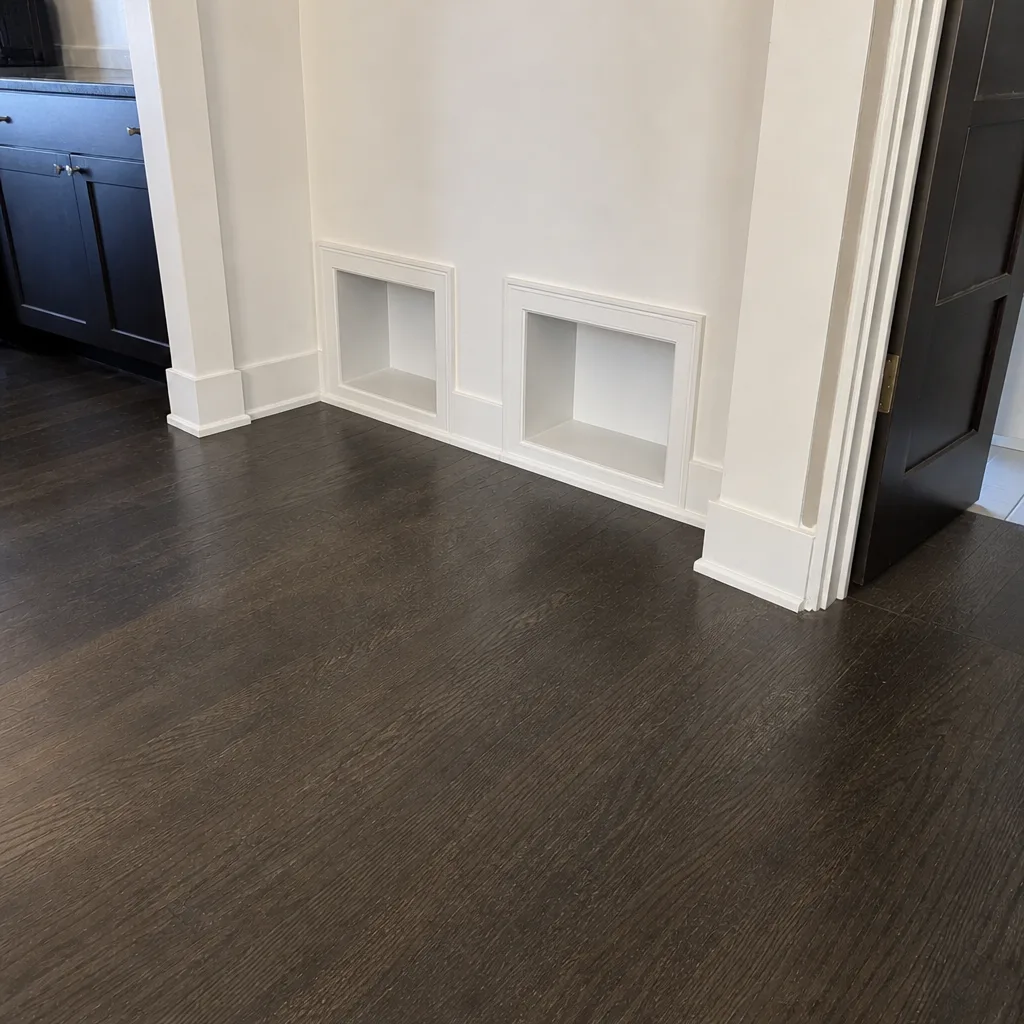
See the difference
 Before
 After
 Before
 After
 Before
 After
When to Call a Professional
Call a professional when you notice visible dust blowing from registers after a system run, when anyone in the household has respiratory or allergy symptoms that seem tied to being indoors, or when you’ve recently renovated and drywall dust has settled into the system. Call when the air handler or ductwork looks damaged or disconnected, when you suspect microbial growth, or when dryer vent lint is accumulating. In Buckhead’s humid climate, microbial growth inside a duct system is worth a professional look rather than a consumer-store spray. Air Duct Cleaning Buckhead offers free estimates in Buckhead: call (844) 443-4682. Our technicians have up to 8 years of experience, and the local pro is licensed and insured as their state requires. We answer 24/7. Fast dispatch from 7am to 7pm, Sunday through Friday. The price is set per job by the written estimate, with one flat price per system agreed before work starts.
Frequently Asked Questions
Honest answers run from a few hundred dollars for a straightforward whole-system visit upward for a large Buckhead home with multiple returns, plus more when repair and sanitizing are included. A quote should be a whole-system range, not a per-vent price, and the written estimate sets the final cost. Call (844) 443-4682 for an exact quote; estimates are free.
Equipment category is the main reason. A portable unit where the job needed a truck-mounted or commercial HEPA system means the machine can’t reach or capture what the cleaning requires, and the low price reflects that limit. Sanitizing omitted, sealing left out, and no containment all show up in the price too. Call (844) 443-4682 for a quote based on your actual system.
Ask for before-and-after photos of your own ducts, taken during your visit. A professional will also show you the equipment when they arrive. Our approach includes both as standard: before-and-after photos of the homeowner’s own ducts and a flat price per system agreed before work starts. Call (844) 443-4682 to book.
Most homes do well every few years, sooner after a renovation, a move-in, or when allergy symptoms point indoors. Buckhead’s humid climate and constant conditioning can accelerate debris and growth, which is the reason a professional look matters. Call (844) 443-4682 for a free assessment.
Sanitizing is worth adding when microbial growth or allergic symptoms are a concern, but only after mechanical cleaning is done right. The cleaning removes the physical debris; sanitizing then treats what’s left. Call (844) 443-4682 to talk through which applies to your home.
Yes: repair and sealing are part of the service, so leaks get fixed in the same visit rather than referred out. Clean ducts stay clean when leaks are sealed, which is why the two belong together. Call (844) 443-4682 for a quote that includes repair and sealing.
The Bottom Line
Judge a Buckhead duct cleaning company by its equipment, not its logo. The three categories (portable, truck-mounted, commercial HEPA) tell you what the machine can and can’t do, and the two specs that matter are CFM and filtration rating. Ask for those, plus category, containment method, and whether repair and sealing are in scope. Sanitizing belongs after mechanical cleaning, not before. A company that runs professional-grade platforms, fixes leaks in the same visit, and gives you a flat price per system before work starts is the one to hire. Air Duct Cleaning Buckhead follows that playbook, and our technicians have up to 8 years of experience. Call (844) 443-4682 for a free estimate. We answer 24/7. Fast dispatch from 7am to 7pm, Sunday through Friday.
Written by the team at Air Duct Cleaning Buckhead.