
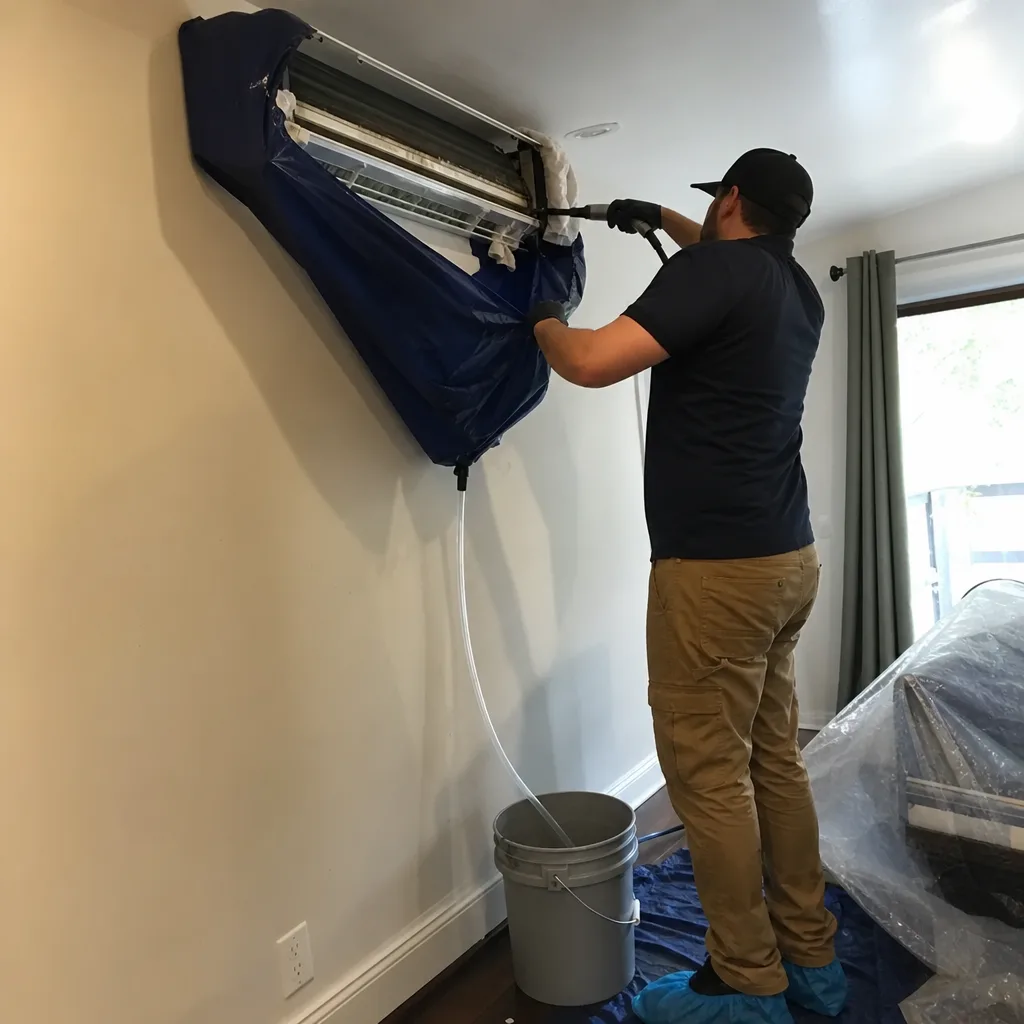
Last updated November 25, 2026
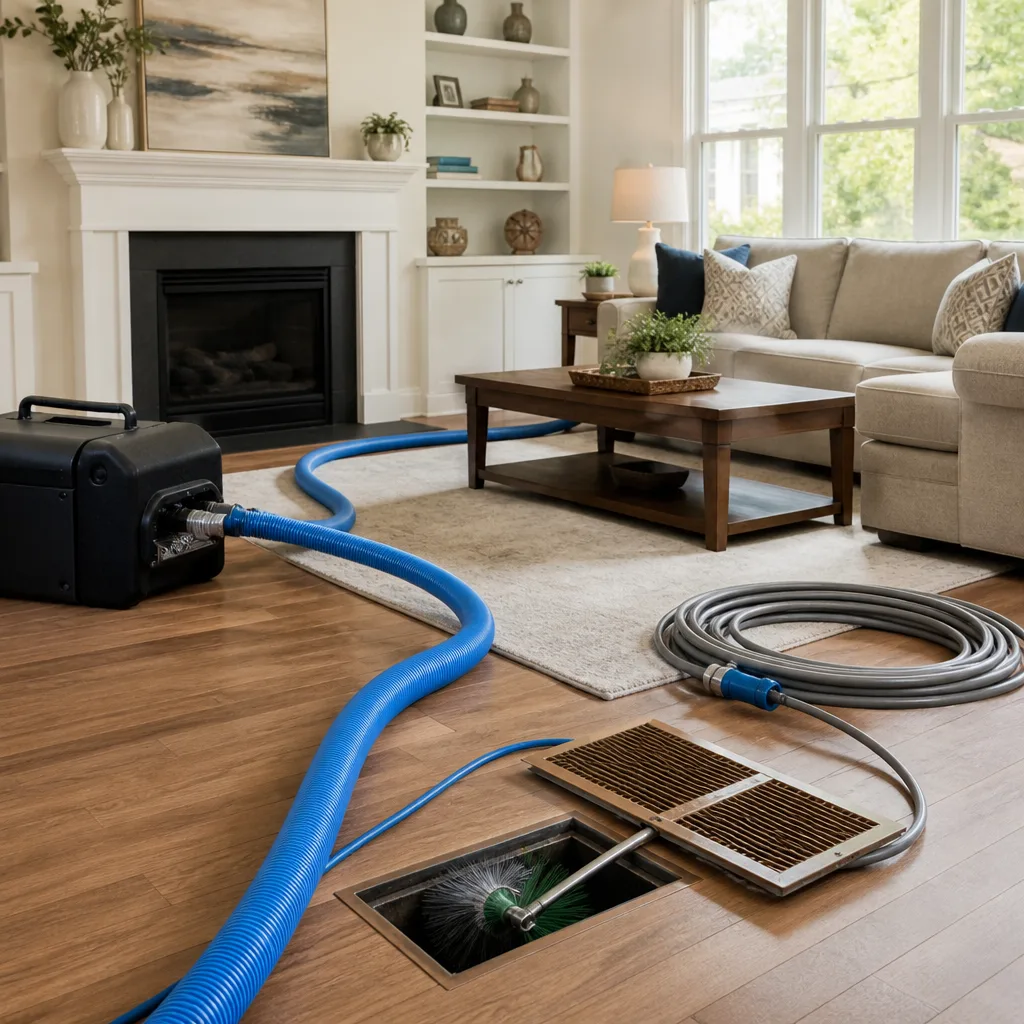 Whole-home duct cleaning
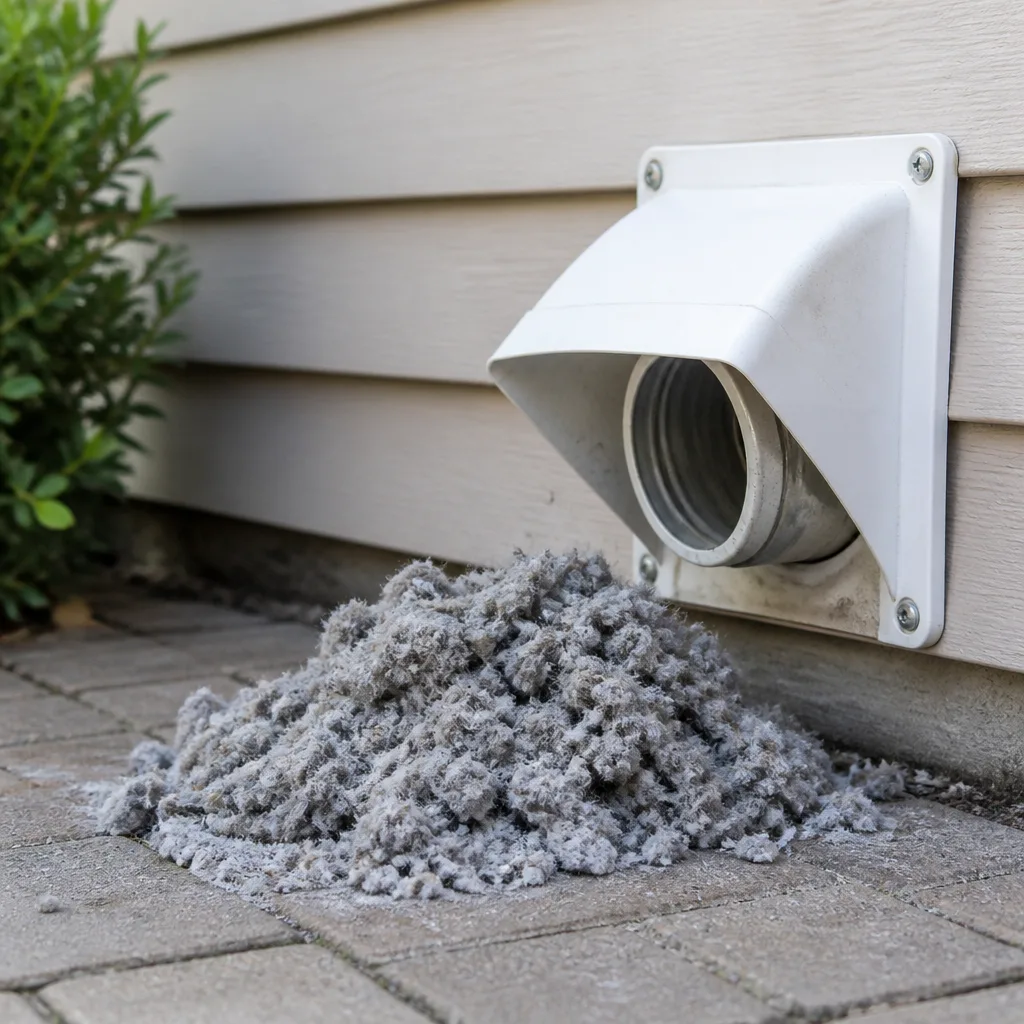 Dryer vent cleaning
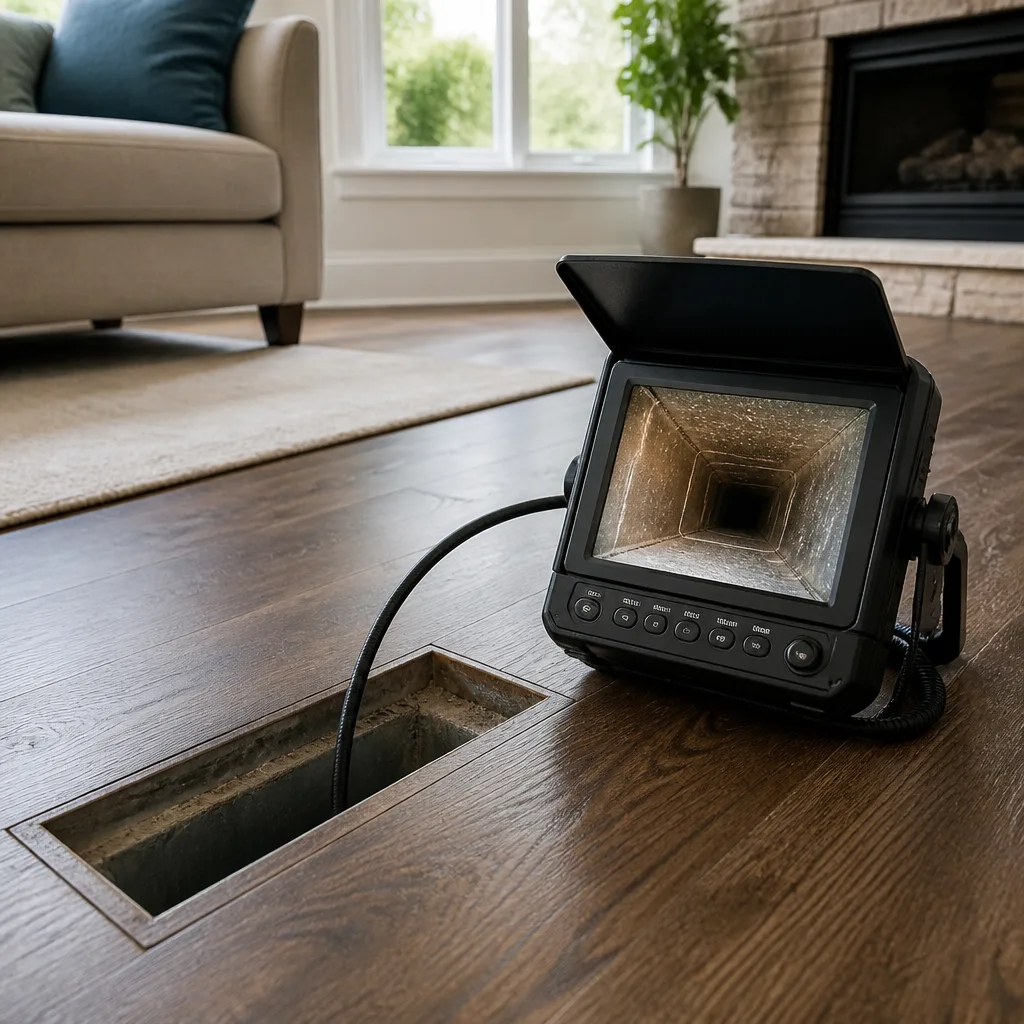 Camera inspection
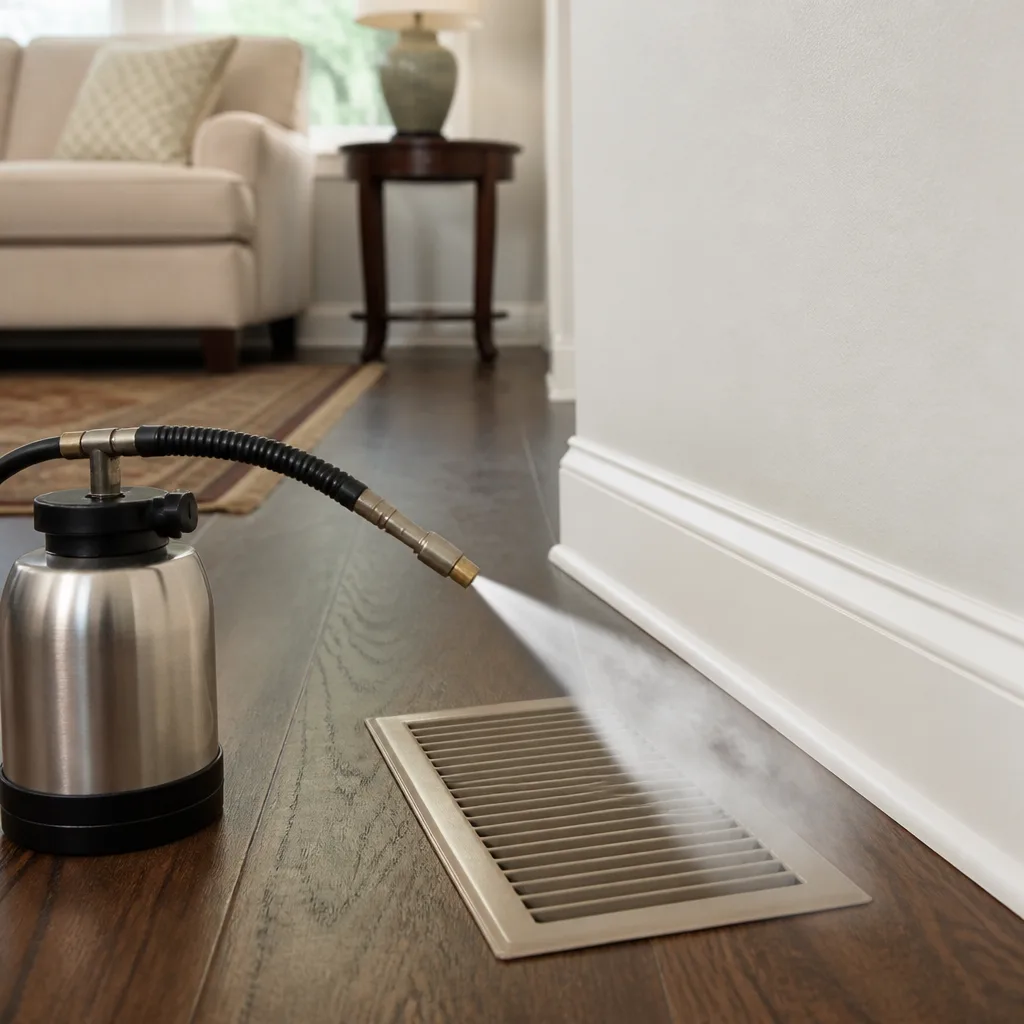 Sanitizing & deodorizing
Whole-system duct and dryer vent check with before-and-after photos - you see exactly what came out of your vents
That "$99 whole-house special" is a bait ad - the real number appears once they are in your hallway, or the "clean" is a shop-vac at the register. We photograph the inside of your ducts before and after instead.
How to Hire an Air Duct Cleaning Contractor in Buckhead: A Step-by-Step Guide
Georgia does not require a specific state license to operate an air duct cleaning business. That single fact changes how you should shop for one. The company that shows up at your Buckhead home could be a seasoned operator with commercial-grade equipment, or someone who bought a shop vac last month and set up a Google Business profile the same week. Nothing in the state’s licensing framework will tell you which is which. The vetting burden lands entirely on you, the homeowner, which is why the questions you ask before booking matter more than any price you’re quoted. This guide walks through the exact credentials worth checking, the equipment questions that separate professionals from pretenders, how to read a scope of work, and the red flags that show up in Buckhead neighborhoods.
Quick Answer
To hire an air duct cleaning contractor in Buckhead, verify NADCA membership and EPA-approved sanitizer training, ask three specific equipment questions before booking, and demand a written scope of work that names what’s included and excluded. Skip anyone who quotes per vent, pressures you with a coupon price, or can’t name the machine they’ll bring into your home. The lowest bid almost always reflects a narrower scope, not a better deal.
Styles & brands we work with
- Whole-home duct cleaning
- Dryer vent cleaning
- Camera inspection
- Sanitizing & deodorizing
Table of Contents
- Why Georgia’s licensing gap makes vetting your job
- Which credentials actually mean something
- The three equipment questions to ask before booking
- Why the lowest bid in Buckhead usually signals bait-and-switch
- How to read a scope of work document
- Red flags specific to door-to-door and coupon offers
- Buckhead-specific context: climate, housing, and what that means for ductwork
- Common mistakes to avoid
- When to call a professional
Why Georgia’s Licensing Gap Makes Vetting Your Job
Most states regulate certain trades with a formal licensing board, exams, and continuing education requirements. Georgia doesn’t apply those requirements to air duct cleaning. There’s no state exam to pass, no minimum equipment standard, no bond tied to the trade. A company can be fully legal and still have zero technical training in ductwork, air movement, or the HVAC system connected to it. That reality is worth sitting with for a moment, because it explains why the industry has the reputation it does.
The practical consequence is that credentials in this trade are voluntary. The good operators pursue them anyway, because the work demands it. The bad ones rely on the fact that most homeowners don’t know which are real and which are marketing badges. In our experience across Buckhead, the difference between a competent crew and a mediocre one shows up long before the technician opens the front door. It shows in what they can answer on the phone.
Here’s what that means in practical terms. When you call for an estimate, you should be talking to someone who can describe the equipment they’ll use, the containment method they’ll deploy to keep dust out of your living space, and the scope of work in plain language. If the voice on the other end of the line can’t do those things, the crew that arrives won’t either. The lack of licensing means the trade is wide open. The good news is that the questions you ask will sort operators quickly.
Which Credentials Actually Mean Something
Not every credential in this trade carries technical weight. Some are membership programs, some are training certifications, and some are just decorative. Knowing which is which saves you from being impressed by the wrong things.
NADCA membership
The National Air Duct Cleaners Association (NADCA) is the industry’s recognized standards body. Membership signals that a company has agreed to the association’s code of ethics and has access to its technical standards, including the ACR (Assessment, Cleaning, and Restoration) standard that governs how duct cleaning should be performed. NADCA membership isn’t a guarantee of quality, but it’s a meaningful filter. It means the company has invested in being part of a professional community with standards.
EPA-approved sanitizer certification
If a contractor offers sanitizing or antimicrobial treatment, ask which sanitizer they use and whether the product is EPA-registered for use in HVAC systems. This matters because sanitizing is a chemistry step, not just a cleaning step. The wrong product applied to ductwork can leave residue that becomes an airborne concern of its own. A professional will know the product name, its registration, and its application method without hesitating. That’s the bar.
What doesn’t carry technical weight
- “Certified” badges with no parent organization named
- Vehicle decals claiming “licensed” when no state license exists for the trade
- Review counts used as a stand-in for equipment or training
- “Insured” claims with no certificate offered on request
None of those are red flags on their own. They’re just not credentials. Ask instead about the things that affect the work: equipment, containment, and scope. Those are the conversations that separate operators.
The Three Equipment Questions to Ask Before Booking
Equipment is the fastest way to tell a professional from an amateur in this trade. Consumer-grade vacuums and shop vacs can’t move the air volume required to actually clear a residential duct system. Professionals use truck-mounted or high-powered portable units designed for the job. Three questions will settle it.
- What machine will you bring into my home, and what’s its rated airflow? A professional will name the platform. Rotobrush systems are common professional-grade options that combine agitation with high-volume negative pressure. Nikro equipment is another industry platform built for commercial and residential HVAC work. If the answer is vague or contains no model or brand, you have your answer.
- How do you contain dust during the cleaning? The good answer describes negative pressure and a containment seal at each register, not a drop cloth and a wand. Abatement Technologies makes containment equipment that keeps contaminants out of the living space during cleaning. If the contractor can’t describe a containment method, the dust they loosen will end up somewhere in your house.
- Do you offer duct repair and sealing, or do you refer that out? Cleaning without sealing leaves the same leaks that let debris back in. A contractor who can handle both in the same visit has a different scope than one who cleans and leaves. That’s often the real difference in bid prices, which brings us to the next section.
Notice what those questions don’t include: price. Price comes after you’ve established the scope and the equipment. If a contractor leads with a number before you’ve even described your home, that’s not a quote, that’s a pitch.
Why the Lowest Bid in Buckhead Usually Signals Bait-and-Switch
The lowest bid on a duct cleaning job in Buckhead is almost never the cheapest job. It’s the one with the narrowest scope. A $99 offer you see in a mailer or a promotional flyer typically covers one register, or one trunk line, or a “basic cleaning” that skips the plenum, the coil, and the branch runs entirely. Once the technician is on site, the price climbs with each step that wasn’t included. By the time the work is done, the invoice reflects a full job at a higher rate than a clean bid from a professional would have been.
This is what bait-and-switch looks like in this trade, and it’s not always intentional fraud. Sometimes it’s just that the operator’s standard scope is genuinely smaller. But the effect on your wallet is the same. A bid that doesn’t break down the scope in writing is a bid you can’t compare to anything else. The honest way to shop is to ask each contractor for the same written scope, then compare line by line.
The better question than “what’s your lowest price” is “what does your scope include, and what’s not included?” Any professional operation will answer that without hesitation. Air Duct Cleaning Buckhead operates on one flat price per system agreed before work starts, so the number you’re quoted is the number on the invoice. That’s the standard to hold every contractor to. If someone can’t or won’t commit to a flat price for a defined scope, that’s information you can use before you book.
How to Read a Scope of Work Document
A scope of work is the document that defines what the contractor will actually do. In a well-run job, it’s the difference between a cleaning and a real restoration of your air system. Read it carefully, because what’s missing is often more revealing than what’s included.
What a professional scope should include
- Source removal, not just surface agitation: the debris is physically extracted, not loosened and left.
- Negative pressure containment throughout the job, with the vacuum running for the entire service.
- Cleaning of the supply and return sides, the plenum, and the accessible portions of the trunk and branch lines.
- Cleaning of the air handler and coil area, at least to the extent accessible without disassembly.
- Register and grille removal and cleaning, not just a wipe-down in place.
- A final visual inspection, ideally with photos of the before and after condition of your own ducts.
- A clear statement of what’s excluded: for example, if the coil is accessed but not chemically cleaned, that should be stated.
What should raise a question
- Per-vent pricing, which rewards the contractor for counting registers rather than cleaning the system.
- A scope that doesn’t mention containment or negative pressure.
- No mention of the air handler or coil at all.
- No written document: a verbal description of “a full cleaning” isn’t a scope.
Read the scope against your home. A Buckhead house with a finished basement and multiple zones will need a different scope than a small condominium. If the document reads like a template that could apply to any home, that’s worth noting. The scope should reflect what’s actually in your house.
If duct repair and sealing isn’t in the scope, ask why. Clean ducts stay clean when leaks are sealed. A cleaning that doesn’t address gaps, disconnected joints, or crushed sections in the ductwork will have to be repeated sooner. The scope should say whether repair is included, offered as an add-on, or referred out. Air Duct Cleaning Buckhead handles Air Duct Cleaning Buckhead and duct repair in the same visit, which means the scope is a single document rather than a handoff.
Red Flags Specific to Door-to-Door and Coupon Offers
Buckhead homeowners get a lot of door-to-door pitches and coupon mailers for duct cleaning. Some are legitimate. Many aren’t. Here are the patterns worth recognizing before you let anyone in the door.
- “We’re in the neighborhood today only.” Duct cleaning is a scheduled service. A company with a legitimate route doesn’t need to manufacture urgency. Same-day availability is fine, but manufactured urgency around a discount usually isn’t.
- Per-vent coupons. A coupon that prices per register tells you the contractor is being paid by count, not by outcome. It’s a model that encourages quick passes and upselling once they’re inside.
- No business address on the offer. A company that operates in Buckhead should have a traceable business presence. If the flyer only has a phone number, that’s a question worth asking.
- Pressure to inspect before quoting. A free inspection is reasonable. A demand to “just let us look” that turns into a same-day hard sell is not.
- Unmarked vehicles and no identification. Anyone entering your home should be identifiable and should be able to explain the scope of work without a script.
- Cash-only pricing with no receipt until after. Legitimate work comes with a written estimate and an invoice that matches it.
- Sanitizing offered without an EPA registration named. If a contractor offers microbial treatment, ask for the product and its registration. The answer should be immediate.
None of those red flags is proof of fraud. They’re questions worth asking before money changes hands. Buckhead’s housing stock includes a lot of older homes with original ductwork, plus newer construction with complex multi-zone systems. The contractors who can handle both are the ones worth talking to.
Buckhead-Specific Context: Climate, Housing, and What That Means for Ductwork
Buckhead sits in a humid subtropical climate. Summers are long, hot, and humid; the HVAC system runs hard for months and pulls a lot of moisture out of the air. That has a real effect on ductwork. Condensation on cold duct surfaces in humid attics and crawlspaces is common, and moisture is where microbial growth starts. When you’re vetting a contractor in Buckhead, ask about the specific steps they’ll take to address moisture-related contamination, not just dust and debris. Sanitizing as a step separate from cleaning matters more here than it would in a drier climate.
The housing stock adds another layer. Buckhead includes older homes with original ductwork and newer construction with high-efficiency systems and multiple zones. Older homes often have duct runs that were added to or extended over time, which means disconnected joints, crushed flex sections, and gaps that leak conditioned air into attics. Newer systems are tighter, but they still develop leaks at joints and at the air handler. A contractor who only cleans and doesn’t inspect for leaks will leave the underlying problem in place.
Neighborhoods worth mentioning specifically: Peachtree Park, Garden Hills, and the streets around Chastain Park all mix older homes with recent renovations. A house that’s been through a major renovation often has ductwork that’s been rerouted or extended. That’s not a problem on its own, but it’s a reason to ask specifically about joint integrity and sealing in the scope.
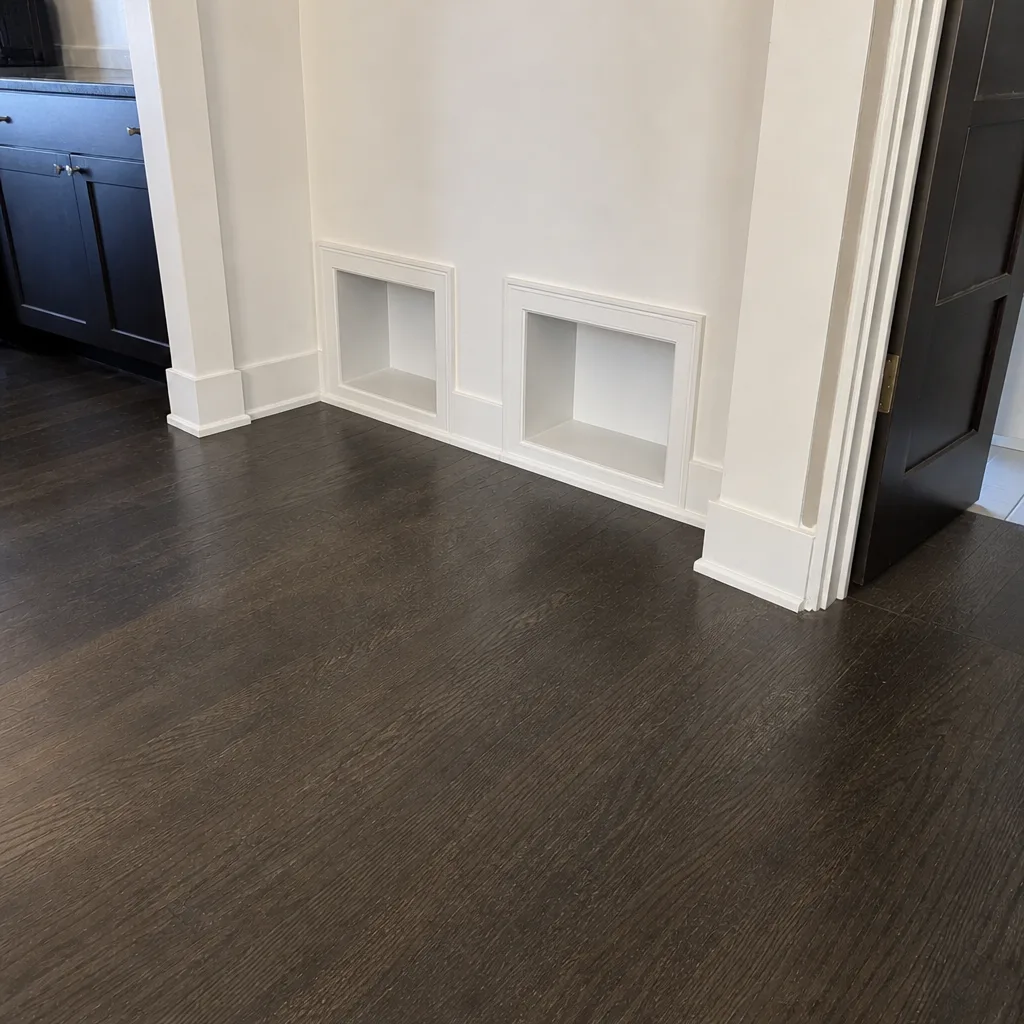
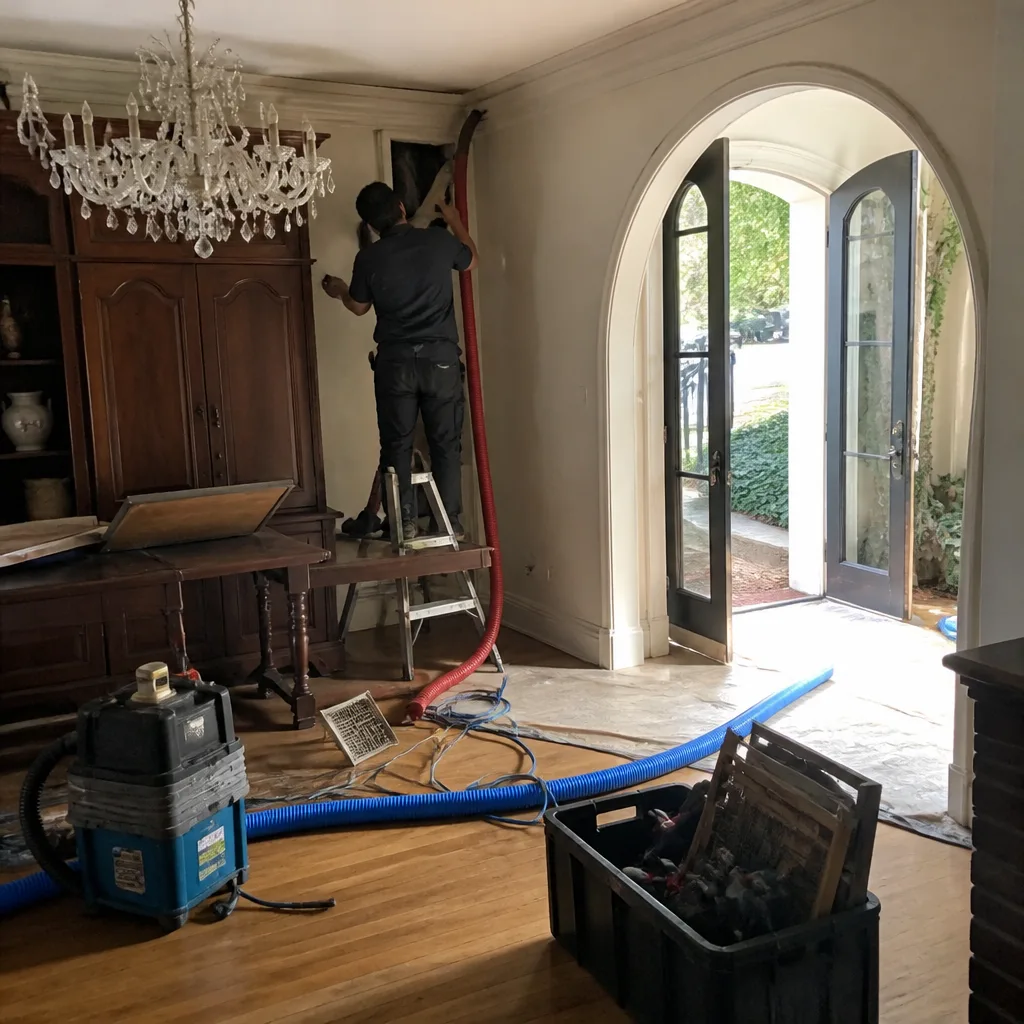
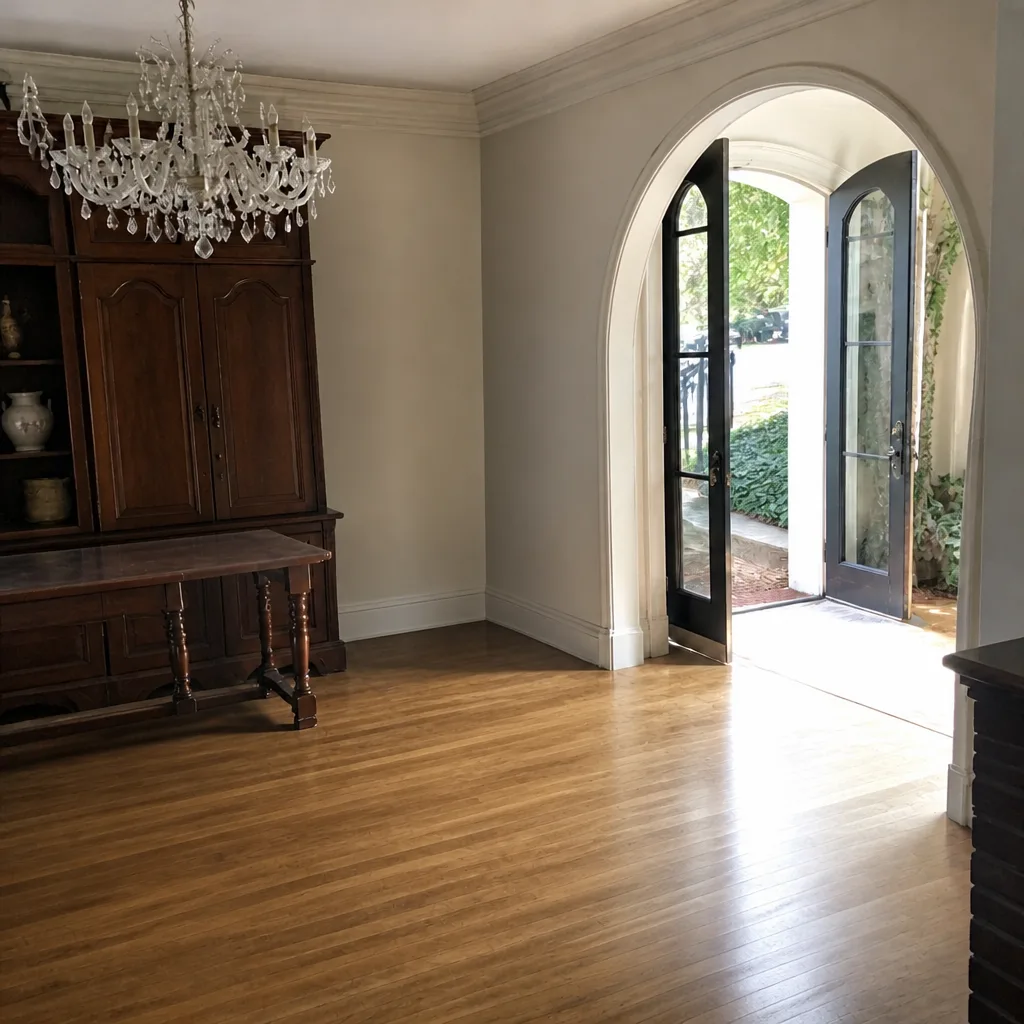
See the difference
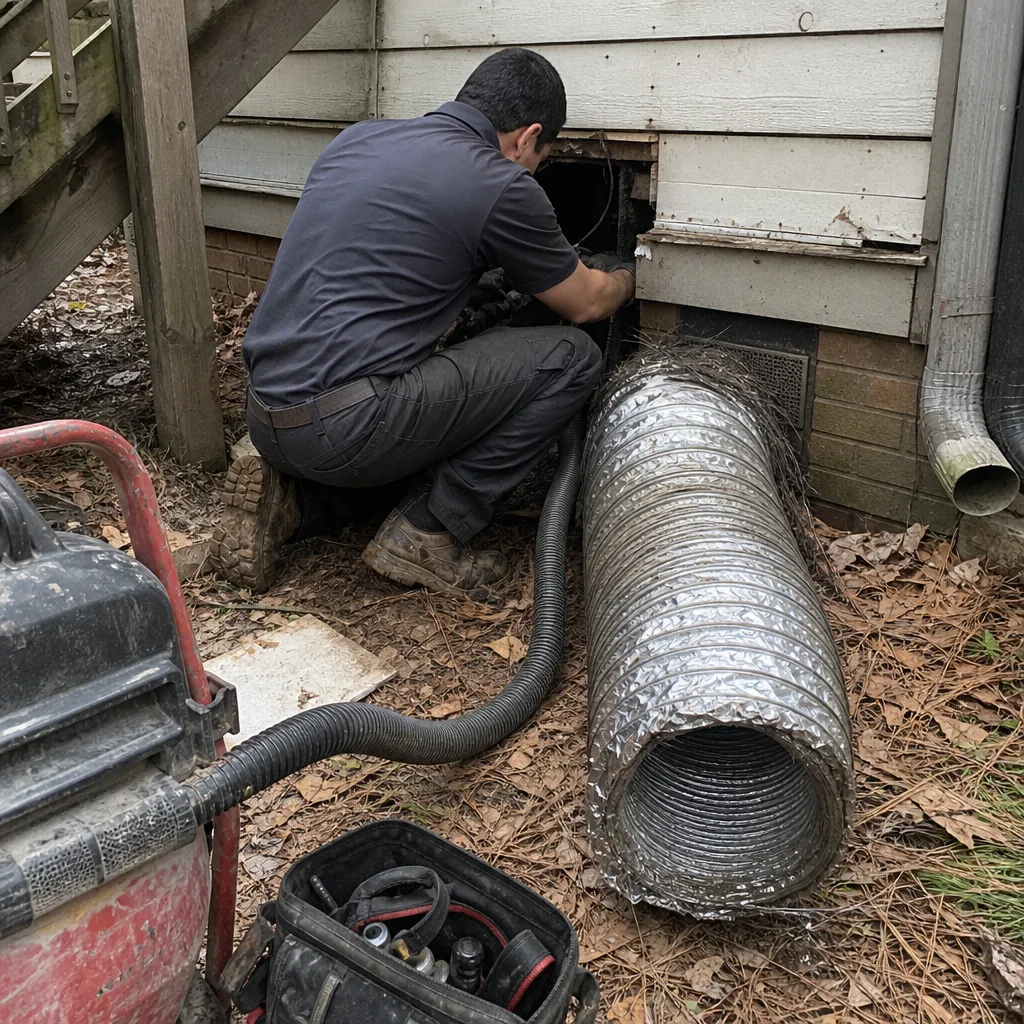 Before
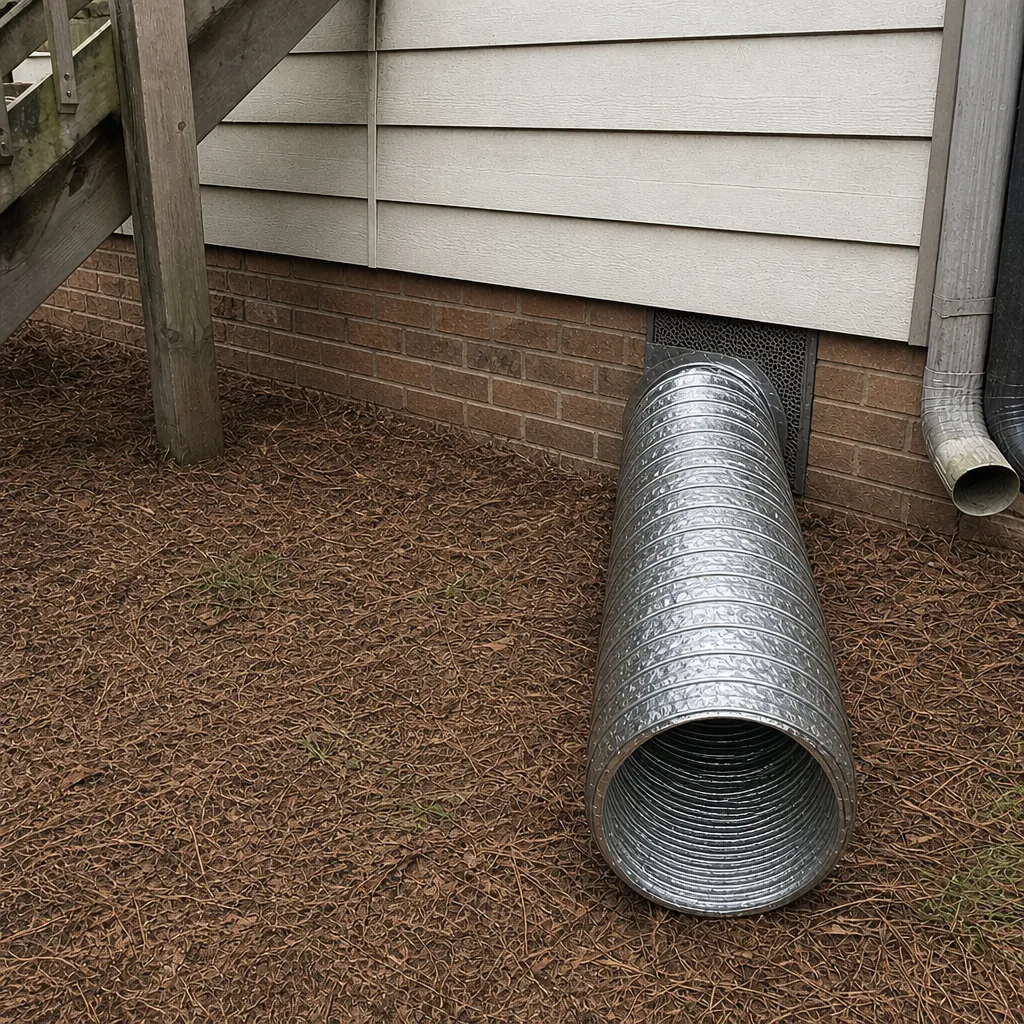 After
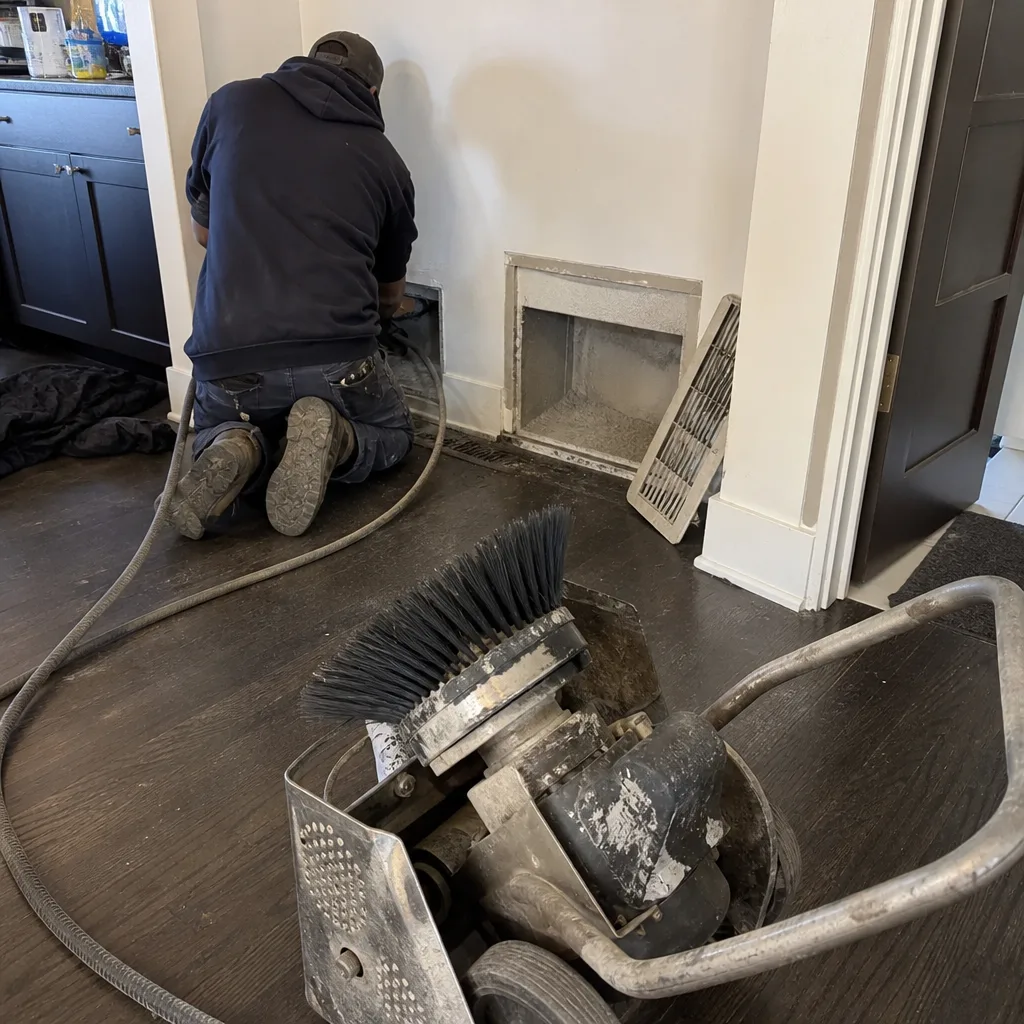 Before
 After
 Before
 After
Common Mistakes to Avoid
- Booking on price alone. The lowest bid usually reflects the narrowest scope, not the best value. Compare scopes before comparing prices, or you’re comparing apples to appliances.
- Skipping the equipment question. If you don’t know what machine is coming into your house, you don’t know whether the job will be done. Ask before booking.
- Accepting a verbal scope. A contractor who won’t put the scope in writing is a contractor who won’t be held to it. Buckhead has enough operators that you don’t need to accept that.
- Ignoring the coil and air handler. Cleaning the ducts while leaving a fouled coil in place means the air entering your ducts is already polluted. The scope should address it.
- Assuming the coupon price is the job price. Read the fine print. Coupon offers in Buckhead frequently cover a single component of a job that has four or five components.
- Not asking about duct repair. Cleaning without sealing lets the same leaks back in. Ask whether repair is included, offered, or referred out, and factor that into the comparison.
- Letting the contractor skip containment. If the technician arrives without a containment setup, the dust being loosened inside your ducts is going to circulate. Ask how dust will be kept out of your living space before work starts.
When to Call a Professional
Some signs in a home point to ductwork that needs professional attention rather than a quick filter change. Visible dust blowing out of registers just after the system starts is one. A persistent musty smell when the HVAC kicks on is another; it usually points to moisture and microbial growth somewhere in the system. Unexplained increases in allergy symptoms at home, especially in a house with visible dust accumulation on ceiling fans and vents, are worth investigating with a professional scope. So is a recent renovation that involved dust-generating work without sealing the registers first.
If you’ve bought a Buckhead home and don’t know the condition of the ductwork, a professional inspection with a written scope is the right first step. Air Duct Cleaning Buckhead offers free estimates in Buckhead. Call (844) 443-4682. We answer 24/7. Fast dispatch from 7am to 7pm, Sunday through Friday.
Frequently Asked Questions
Air duct cleaning in Buckhead is priced per system rather than per vent, and the written estimate sets the final price. Whole-system quotes vary with the size of the home, the number of zones, and whether duct repair and sealing are included. A quote that gives you a single flat number for a defined scope is the one to compare against others. Call (844) 443-4682 for an exact quote; estimates are free.
Cheap quotes in this trade almost always reflect a narrower scope, not a more efficient operator. The low number typically covers one register or one section of the system, with the rest added after the technician is on site. A contractor who quotes a flat price for a written scope is showing you the whole job up front. Call (844) 443-4682 and ask for the scope in writing before you compare prices.
Ask for before-and-after photos of your own ducts, taken during the service. A professional operation will have those ready. Combined with a written scope and a final visual inspection, photos are the clearest evidence that the job matched the estimate. If a contractor can’t show you the condition of your ducts before and after, that’s a question worth raising. Call (844) 443-4682 for an estimate on a job with documented results.
For most homes, every few years is reasonable. Homes with pets, recent renovations, or a history of moisture problems in the ductwork may need it sooner. The right interval depends on what’s happening inside the system, not on a fixed calendar. A professional inspection will tell you what condition your ducts are actually in. Call (844) 443-4682 to schedule an assessment.
Georgia does not require a specific state license to operate an air duct cleaning business, which is why voluntary credentials like NADCA membership matter so much. Because there’s no state exam or equipment standard, you should verify training, equipment, and scope directly with each contractor you consider. Air Duct Cleaning Buckhead operates professional-grade Rotobrush and Nikro equipment, and our technicians have up to 8 years of experience. Call (844) 443-4682 for a free estimate in Buckhead.
Cleaning removes accumulated debris from inside the ductwork. Repair addresses the physical integrity of the ducts: disconnected joints, crushed sections, and gaps that leak conditioned air. Cleaning without repair means the same leaks that let debris in are still there, so the cleaning has to be repeated sooner. Our HVAC cleaning service covers the connected system, including the air handler and coil, because ducts and equipment work as one unit. Call (844) 443-4682 for a scope that covers both.
Sanitizing is a separate step from debris removal, and it addresses microbial growth on duct surfaces rather than dust and buildup. In Buckhead’s humid climate, moisture in ductwork makes that microbial step more relevant than it would be in a drier region. Ask each contractor what sanitizer they use and whether it’s EPA-registered for HVAC use. Our air duct cleaning scope is quoted as a single flat price, with sanitizing and filtration upgrades from Honeywell and Aprilaire integrated where they make sense. Call (844) 443-4682 to talk through what your home actually needs.
The Bottom Line
In a trade without a state license, the homeowner’s questions are the only quality filter. Verify NADCA membership and EPA-approved sanitizer credentials. Ask the three equipment questions before booking. Demand a written scope, read what’s excluded, and never compare bids without comparing what they cover. Skip door-to-door urgency and per-vent coupons. Buckhead homes deserve the version of this job that actually addresses the whole air system: cleaning, containment, sanitizing where needed, and repair and sealing to keep it clean. That’s the standard Air Duct Cleaning Buckhead works to, with a single flat price per system agreed before work starts.
If you’re ready to book, or just want to talk through what’s happening with your ducts before you commit, call (844) 443-4682. We answer 24/7. Fast dispatch from 7am to 7pm, Sunday through Friday. Our technicians have up to 8 years of experience, and the estimate is free. We also handle dryer vent cleaning as a standalone safety service, addressing one of the leading causes of residential fires, and our air duct cleaning service connects to the same standard of equipment and scope. Whether your home is in Peachtree Park, Garden Hills, or anywhere else in Buckhead, call (844) 443-4682 for a free estimate today.
Written by the team at Air Duct Cleaning Buckhead.